Grooming & Skincare
How to Get a 5 O’Clock Shadow Without the Guesswork
Beardbrand’s stubble guide makes a useful distinction: the look depends on your growth pattern, not the time on your watch.

By James Whitaker, Editor
Published · 5 min read
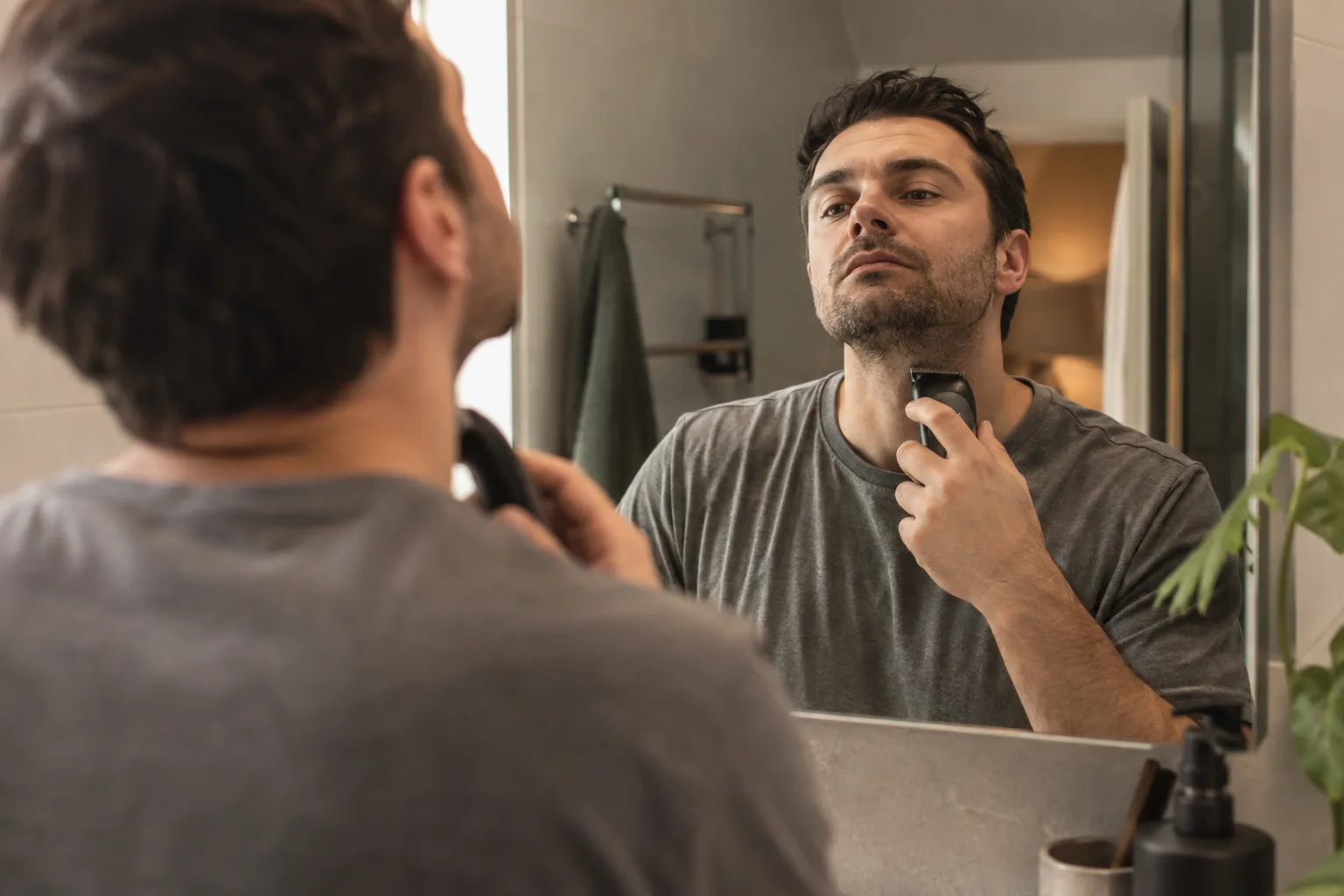
Quick answerA 5 o’clock shadow is very short facial stubble, not necessarily hair grown since that morning. Maintain it with an electric trimmer, choose your trimming schedule around your own growth rate, and moisturise the skin underneath.
Maintaining a 5 o’clock shadow need not mean repeatedly shaving everything off and waiting for it to return. In its guide to the style, Beardbrand recommends using an electric trimmer and tracking your own regrowth: a practical approach to keeping short stubble reasonably consistent rather than catching it by luck.
The useful distinction is between the name and the actual haircut for your face. This is a short-stubble look, not a deadline. Beardbrand suggests that reaching a preferred length can take between one and five days, depending on the individual. Your colleague’s afternoon jawline is not a sensible benchmark for yours.
What happened
Beardbrand’s guide addresses a familiar grooming problem: the gap between freshly shaved and more beard than you intended. Its advice centres on observing how facial hair develops after trimming, then using that information to decide when to cut it again. It is a styling guide, not a clinical study or a universal growth timetable.
One useful exercise is to watch the results over roughly a week. Take a quick photograph each day in similar conditions and note when you prefer the finish. Consistent lighting matters here: a shadow that looks substantial under a bathroom spotlight can appear quite different beside a window.
The tool distinction that matters
An electric beard trimmer and an electric shaver are not interchangeable. A trimmer cuts hair to a remaining length; a foil or rotary shaver is generally designed for a much closer finish. If you want visible stubble after the job, check what the device actually does before buying it.
Guard markings also deserve attention. The same guard number need not mean the same cutting length across different tools, so use the manufacturer’s stated measurements rather than borrowing somebody else’s setting. Start longer and work down gradually. An overenthusiastic first pass cannot be undone before dinner.
An unguarded trimmer is not a standardised starting point either. The length it leaves depends on its design and adjustment. Beardbrand proposes beginning without a guard, but checking the instructions and testing a conservative setting first gives you more control over how much disappears.
The background
The visibility of stubble depends on more than its length. Hair colour, thickness, density and contrast with the skin all contribute to the effect. Fair or grey facial hair can look less pronounced than dark hair at a similar length, which helps explain why copying a photograph millimetre for millimetre may disappoint.
Facial hair also does not grow with identical coverage across the face. A dense chin and lighter cheeks can make one setting look uneven, even when the tool is cutting consistently. Judge the overall appearance rather than repeatedly attacking the thicker area until the whole beard is shorter than you wanted.
Shaving will not solve sparse growth by making the next crop thicker. Cutting removes part of the hair shaft above the skin; it does not increase the number of follicles. Freshly cut ends can feel coarse, but that sensation is not evidence of faster or stronger growth.
Why very short hair can feel rough
Short, cut hairs have relatively little length to bend, which can make stubble feel prickly against someone else’s skin. Moisturiser can help with dryness, and conditioning products may improve the feel of the hair, but neither turns a freshly clipped beard into soft fabric. Friction still counts.
Razor bumps are a separate issue from ordinary dryness. They can develop when cut hairs curve back into the skin, particularly with curly or coarse hair. Leaving some length may help some people avoid the problems associated with a very close shave, although trimming does not guarantee irritation-free skin.
Sun protection belongs in this routine too. Very short stubble leaves plenty of skin exposed and should not be treated as reliable protection from ultraviolet radiation. Use broad-spectrum sunscreen with at least SPF 30 on exposed areas, alongside shade and clothing when appropriate.
What people are saying
Beardbrand’s strongest practical point is about timing: once you know how your facial hair behaves, you can plan a trim around an occasion. That is more useful than insisting everyone tidy up on the same morning. The guide offers individual observation rather than one supposedly ideal schedule.
Its neckline advice is more specific. For this short style, it suggests a boundary around two or three finger-widths above the Adam’s apple, while warning against pushing it up to the jaw. Treat that measurement as a rough styling reference, not an anatomical rule: finger widths and neck proportions differ.
The guide also describes stubble as an especially attractive beard length, but provides no supporting research for that statement. There is no need to turn a grooming preference into a scientific verdict. A style that suits your coverage and feels comfortable is a better target than an alleged universal favourite.
Its product recommendations need similar perspective. The article is published by a grooming retailer and includes products it sells; that is commercial advice, not an independent comparison. Nothing in the basic routine establishes that you need a particular brand or a dedicated beard balm rather than a moisturiser your skin already tolerates.
What happens next
Build a routine you can repeat
For your next trim, follow the device instructions on wet or dry use. Work methodically through the cheeks, chin and moustache with light pressure, checking the result before another pass. Hair grows in different directions, so missed strands do not automatically mean the cutting length is wrong.
Keep the outline job separate from shortening the beard. Look straight ahead with your head in a natural position when assessing the neckline; tipping it far back changes how the area appears. Remove obvious strays below your chosen boundary cautiously, rather than carving a new line higher with every correction.
Around the mouth, use small, controlled movements and keep blades away from the lips. Check the sideburn transitions as well as the front of the face. These junctions are easy to overlook in a straight-on mirror inspection, yet abrupt changes there can make an otherwise tidy trim look unfinished.
Wash gently and apply moisturiser to the skin, not just the visible hair. A fragrance-free formula is a sensible option if scented products sting or aggravate your skin. There is no advantage in scrubbing hard to achieve a cleaner finish; extra friction can leave freshly groomed skin uncomfortable.
Tool maintenance is part of skin care, not a separate hobby. Remove trapped hair and clean attachments as the manufacturer directs, allowing washable parts to dry before storage. Lubricate blades only where instructed. If a tool starts pulling, check for trapped hair, blade wear or a charging issue before pressing harder.
Avoid testing a radically shorter setting immediately before an important event. Try changes when you have time to assess the result, and keep a note of the device, attachment and setting you used. That turns a successful trim into something you can reproduce instead of another bathroom experiment.
If bumps become painful, produce pus or keep returning, speak to a pharmacist or GP rather than trimming repeatedly over the area. For a purely aesthetic problem, take a reference photograph to your barber and ask which parts of the outline and coverage can realistically match your own growth.
Related: The Best Beard Comb Depends on More Than the Material
Related: How to Choose a Cologne Without Buying Into a Personality
Why this matters
For UK readers juggling workday grooming with weekend plans, the useful takeaway is to separate beard length from beard outline. You may only need to clear a few neck hairs, not shorten your entire face before every outing. At your next barber appointment, ask for the cutting length in millimetres and a demonstration of where your neckline should sit. That gives you a practical reference to take home, rather than a good-looking finish you cannot explain to your own trimmer.
Common questions
- what is a 5 o’clock shadow?
- A 5 o’clock shadow is very short, visible facial stubble. Although the name suggests regrowth by late afternoon, achieving the look can take longer than a single day.
- how long does it take to grow a 5 o’clock shadow?
- Beardbrand suggests one to five days to reach your preferred stubble length. The timing varies between individuals, while hair colour and density affect how noticeable that growth looks.
- should i use a trimmer or shaver for stubble?
- Use a beard trimmer if you want to leave visible stubble. Electric foil and rotary shavers generally aim for a closer finish, while trimmers offer control over the length left behind.
- where should the neckline be on short stubble?
- Keep the neckline below the jaw rather than tracing directly along it. Beardbrand suggests two or three finger-widths above the Adam’s apple for this style, but that is a rough reference, not a rule for every neck.
- how do i make stubble less prickly?
- Moisturise the underlying skin and consider a conditioning product to improve the hair’s feel. Short, freshly cut hairs can still feel prickly, so products will not eliminate all friction.
- does shaving make stubble grow back thicker?
- No, shaving does not make facial hair grow back thicker or faster. It cuts the existing hair shaft without increasing follicle numbers; the cut ends can simply feel coarser.
- do i need sunscreen if i have stubble?
- Yes, very short stubble is not reliable sun protection. Use broad-spectrum sunscreen with at least SPF 30 on exposed skin, alongside shade and suitable clothing when appropriate.
About the writer
James WhitakerEditor · London
Editor of The Good Cut, with a soft spot for a sharp crop and a sharper suit.
More from JamesSources
This article is original reporting by The Good Cut based on the sources above. Last reviewed 8 October 2026. Product mentions are editorial unless clearly marked as sponsored.