Grooming & Skincare
Chypre colognes for men: what it means and what to try
Confused by “chypre”? Here’s what it is, why it matters, and the bottles worth sniffing now.
By The Good Cut Editorial Team
Published · Updated · 6 min read
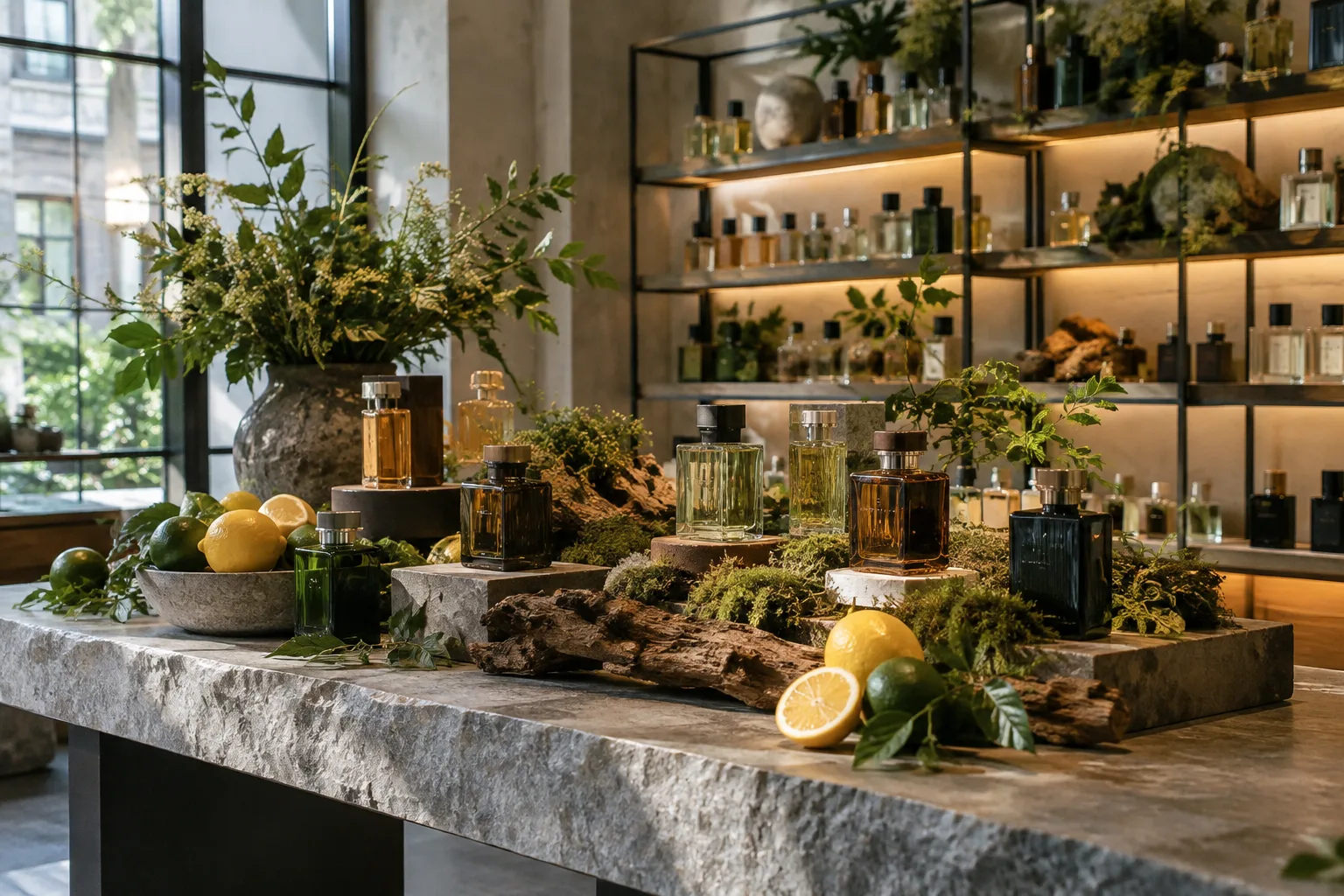
Quick answerChypre is a fragrance family built around citrus top notes over a mossy‑woody base, typically oakmoss, labdanum and patchouli, with florals or spice in the middle. The style traces back to François Coty’s 1917 “Chypre” and still shapes many modern scents.
Chypre has quietly become the word you keep seeing on fragrance counters, then pretending you understand. Fair enough: it’s French, it’s old, and it isn’t as obvious as “fresh” or “woody”. But it’s one of perfumery’s backbone styles and, if you like grown‑up colognes, very much your lane.
The gist is simple: citrus brightness up top, earthy woods underneath, and often a rose‑or‑spice thread through the middle. That shape is behind some of the most enduring men’s scents, and a few interesting new ones too. Here’s what it actually means, where it comes from, and which bottles are worth your time.
What happened
A new wave of interest has pulled a classic fragrance idea back into the conversation, helped by a 2024 launch from Infiniment Coty Paris called Aristo Chypre. The name nods directly to perfumery’s original “Chypre”, and this modern version leans into rose and patchouli while sitting on the familiar chypre accord.
At the same time, several prominent men’s scents you may already know fit this family. Ralph Lauren’s Polo (often called Polo Green) uses the chypre framework then turns up the spice with coriander, caraway and juniper. Leather and tobacco thread through it, giving that club‑chair richness many fans associate with classic American style.
Yves Saint Laurent’s Tuxedo takes the idea in a dressier direction. Patchouli does the heavy lifting, giving the scent a dry, smoky power that suits evening wear and black‑tie moments without defaulting to amber‑heavy sweetness.
Dior’s Gris Dior shows the floral side of chypre. It couples bergamot on top with rose and violet in the heart, grounding everything in oakmoss and patchouli, with woods and amber smoothing the finish. If you like your fragrance sharp‑shouldered but not loud, this is that sweet spot.
Penhaligon’s Quercus brings a lighter, zesty angle. Citrus—lemon, lime, bergamot and mandarin—takes centre stage with a green basil lift, then settles back into the traditional moss‑and‑woods base. For warm offices or spring weekends, the balance reads crisp, not austere.
Chanel Pour Monsieur remains one of the textbook chypres for men. The eau de parfum translates the 1955 original’s elegance into a slightly richer take, adding spice in the heart and rounding the base with cedar, vetiver and vanilla while still feeling impeccably tailored.
Arquiste L’Etrog, inspired by southern Italian citrus harvests, threads fresh citrus through a resinous, date‑touched heart and an earthy base of vetiver, patchouli and cedar. It’s a reminder that chypre isn’t a museum piece: the structure flexes beautifully in niche perfumery too.
We rate this family because it smells composed and intentional on skin. If blue, marine‑fresh scents have been your default, a chypre gives you similar brightness at first spray but lands with more texture and maturity. See our explainer on what “blue” cologne means and the bottles to know for contrast.
The background
The word comes from the French for “Cyprus”, referencing François Coty’s 1917 Chypre, which established the template: sparkling bergamot on top; florals or spice at the heart; and an earthy base typically built from oakmoss, labdanum and patchouli. That contrast—sunny start, shadowed finish—is the signature.
If you know fougère (think lavender, coumarin, oakmoss), it helps to picture chypre as its sharper, more urbane cousin: less barbershop, more gallery opening. Both rely on contrast, but chypre swaps the herbal lift for citrus and leans harder into moss and woods.
You’ll find this structure across designers and niche houses because it behaves well in real life. The citrus stop‑you‑in‑your‑tracks first impression feels clean and modern; the base makes it cling to skin and clothing so it lasts the day without turning syrupy.
Over the decades, perfumers have pushed chypre in different directions. Spicy takes (like Polo) emphasise warmth and leather; floral‑leaning versions (like Gris Dior) soften the edges; citrus‑forward options (like Quercus) keep it breezy. The bones remain, the mood changes.
Chypre also aligns with the current appetite for heritage‑minded scent. If classic styles are your thing, our rundown of nostalgic men’s fragrances worth wearing now shows how traditional ideas can still feel sharp in 2026.
Behind the scenes, oakmoss—the mossy cornerstone—has been carefully managed in modern perfumery for allergen reasons, so many houses use highly refined extracts or alternatives. The effect, when well done, still reads unmistakably “chypre”.
What people are saying
Among fragrance fans, chypre is often described as a “grown‑up” style because it avoids the sugar rush of sweeter trend scents while still feeling polished. That’s why you’ll see it paired with tailoring and formalwear but also chosen by men who want a smarter everyday signature.
Common buying advice is to test on skin, not just paper, because the citrus‑to‑moss transition defines the wear. On a warm wrist, the opening can pass quickly, and the base asserts itself sooner; on cooler days, you may enjoy the brightness for longer.
If you gravitate to bold designers, don’t be put off by the heritage tag. Polo demonstrates how chypre can feel robust and assertive, while Tuxedo shows how patchouli‑driven elegance can read powerful rather than powdery. For more designer‑side ideas, see our guide to which Paco Rabanne bottles suit you now.
For office wearers, citrus‑forward chypres like Quercus typically project with restraint once the first 30 minutes pass. Evening options with extra spice or leather can lean statement‑making; save those for dinner or a night out when you want a little presence.
In the niche space, L’Etrog is a useful study in how chypre can feel story‑driven rather than generic: citrus brightness, resinous depth, and a recognisably earthy landing, but shaped in a way that doesn’t resemble every other bottle on a department‑store shelf.
Skin type plays a role in longevity and sillage. Oilier skin tends to hold woody‑mossy bases; drier skin may benefit from a light moisturiser before spraying to keep the base from fizzling out. If you’re exploring formats, our look at oil‑based colognes and how to use them explains why some prefer oils for closer‑to‑skin wear.
What happens next
If chypre is new to you, start with a side‑by‑side test: one spicy (Polo), one floral‑leaning (Gris Dior), and one citrus‑forward (Quercus). You’ll quickly learn which axis suits you, then can adjust up or down the spice, floral and citrus dials.
For a modern‑classic twist, Aristo Chypre shows how today’s perfumers revisit the original idea without making it feel museum‑grade. If you want a dress scent rather than a daily driver, Tuxedo and Pour Monsieur sit at opposite ends of the same elegant spectrum.
Sampling matters. UK stores carrying these lines will usually cut testers if you ask nicely, and many niche retailers sell discovery sizes. Wear each for a full day to judge that citrus‑to‑moss development in your actual routine.
Expect the family to keep evolving. New launches regularly tinker with the structure—more airy woods here, a touch of resin there—so it’s worth revisiting the category each season. For a sense of what’s landing now, our picks of new men’s fragrances worth trying this month is a good rolling checkpoint.
Our pick for beginners: test Quercus for versatility, Gris Dior if you like a floral thread without sweetness, and Pour Monsieur if you want quietly authoritative. Add Polo or Tuxedo when you’re ready for something weightier in autumn and winter.
Related: Best summer fragrances for men: seven bottles for date night
Related: Aftershaves that smell like whisky and cognac: our picks
Why this matters
Learning what “chypre” actually means helps you shop smarter: look for a bright citrus opening followed by mossy, woody depth, then decide whether you want spice, florals or extra citrus in the middle. If you’re leaving blue scents behind, try a citrus‑forward chypre first, then compare a spicier option. For more context on fresh styles, our explainer on blue colognes is a handy reference: blue cologne and the bottles to know.
Common questions
- how do you pronounce chypre cologne
- It’s pronounced “sheep-ruh” in English. The term is French and refers to a classic fragrance family with citrus top notes and a mossy‑woody base.
- what does chypre mean in fragrance
- Chypre is a perfume family built on citrus in the opening, a floral or spicy heart, and an earthy base often using oakmoss, labdanum and patchouli.
- what are typical chypre notes
- Typical notes include bergamot up top, florals or spice in the middle, and oakmoss, patchouli and labdanum in the base for depth and dryness.
- is chanel pour monsieur a chypre
- Yes. Chanel Pour Monsieur is widely classed as a men’s chypre, pairing citrus brightness with spice in the heart and a mossy‑woody base.
- is ralph lauren polo green a chypre
- Yes. Polo fits the chypre structure but adds extra spice, leather and tobacco, giving it a richer, more assertive character than many chypres.
- is penhaligon’s quercus a citrus chypre
- Yes. Quercus pushes citrus notes—lemon, lime, bergamot and mandarin—before settling into a classic oakmoss‑and‑woods base.
- what is infiniment coty paris aristo chypre
- It’s a 2024 release that revisits the original chypre idea, emphasising rose and patchouli on top of the classic chypre accord.
- are chypre fragrances unisex
- Many are. Chypre is a structure rather than a gender; scents like Arquiste L’Etrog show how the style works comfortably on any wearer.
Sources
This article was written by The Good Cut using the sources listed above. Product mentions are editorial unless clearly marked as sponsored.