Grooming & Skincare
Best IPL hair removal devices for men in the UK right now
We break down how home IPL works, who it suits and the devices to know now — plus the pitfalls men actually run into.
By The Good Cut Editorial Team
Published · Updated · 6 min read
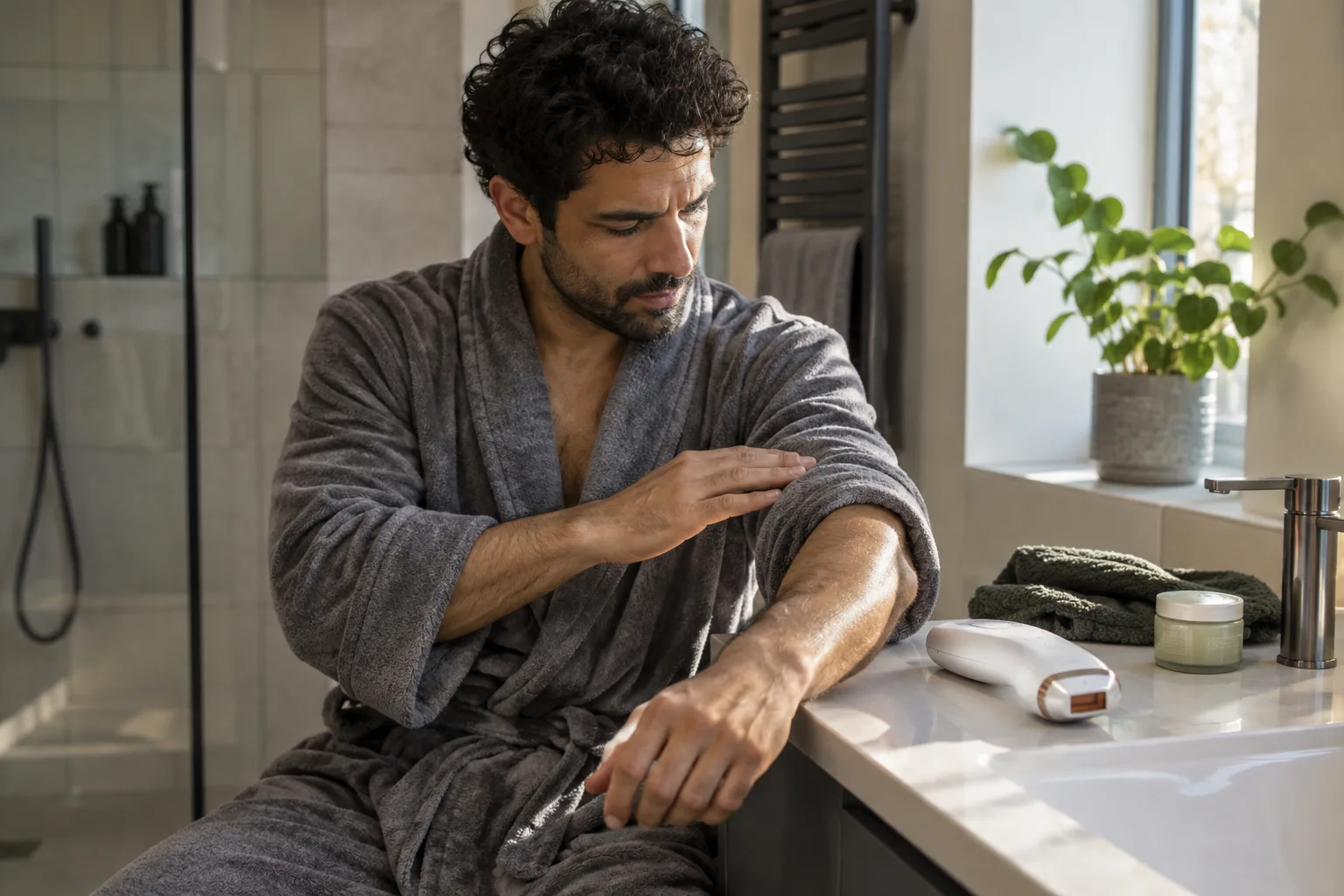
Quick answerAt‑home IPL devices can slow hair regrowth over a course of treatments, but they aren’t permanent. Popular UK options include Philips Lumea 9900, Braun Silk‑expert Pro 5, Ulike Air 10, SmoothSkin Pure Adapt and Silk’n Infinity Fast — always check skin–hair suitability first.
At‑home IPL has quietly moved from the beauty aisle to the men’s shelf, promising fewer shaving sessions on shoulders, backs, chests and legs. The pitch is simple: bursts of intense pulsed light heat the follicles so hair grows back more slowly. The reality: you’ll need a plan, patience and the right device for your skin and hair.
This season’s crop is big on safety features, speed and convenience — think skin‑tone sensors, multiple intensity modes and, on some models, cordless operation. We’ve looked at what’s on sale in the UK, how the tech works, and the practical snags men actually face when they swap the razor for light.
What happened
A cluster of mainstream brands now sell home IPL units pitched at whole‑body use with clearly listed attachments and modes. Philips’ Lumea 9900 is the most full‑fat of the bunch: four dedicated heads (body, face, bikini and underarms), a SmartSkin sensor that suggests intensity, and the choice of corded or cordless sessions. That flexibility matters if you’re tackling upper arms or shoulders without wanting to fight a cable round your back.
Braun’s Silk‑expert Pro 5 goes all‑in on control. It’s corded, ships with two heads in many bundles (a standard window plus a smaller precision option) and automatically adjusts across ten intensity levels. Gentle and extra‑gentle modes cater to areas that feel spiky at higher power, so you can keep momentum without tapping out.
Ulike’s Air 10 keeps things simple with a built‑in head and four modes — Fast, Normal, High and SHR — and it’s designed to tweak output when it meets trickier patches. The brand highlights detection for moles and tattoos, plus an emphasis on sensitive zones such as the bikini line, while still being usable across larger body areas.
SmoothSkin’s Pure Adapt targets value and coverage. It’s corded with a built‑in adaptive head that hugs curves and ten auto‑adjusted intensity levels, and offers three user modes (Power, Gentle and Speed) for faster passes or calmer flashes where needed. If you’re time‑poor and want broad coverage, this kind of adaptable window helps reduce the chance of missing strips.
Silk’n pitches the Infinity Fast as a rapid‑fire option. It’s corded with five energy levels and a built‑in window; the company lists up to 120 flashes per minute, which is useful when you’re mowing through thighs or calves and don’t fancy an evening lost to light therapy.
On price, you’re looking at roughly £179 to £610 at full RRP in the UK, but promotions are common. Recent listings show the Philips Lumea 9900 dropping to around £357 and Braun’s Pro 5 to the £329–£380 range, while Silk’n’s Infinity Fast has been seen between £245 and £325. Expect prices to bob up and down around retail events — worth watching if you’re device‑curious but budget‑minded.
The background
IPL is not the same as laser. Lasers use a single wavelength; IPL uses a broad spectrum of light filtered to target pigment in the hair. The goal is identical — heat the follicle to disrupt growth — but home IPL prioritises user control and safety over sheer clinical power.
Suitability is crucial. Most home IPLs are designed for a contrast: darker hair on light‑to‑medium skin. On darker skin tones, the risk of the light being absorbed by skin pigment, rather than hair, increases — meaning potential burns or blisters. That’s why devices ship with skin‑tone charts and sensors, and why you should always patch‑test first.
Hair colour matters too. Blonde, red, grey or white hair contains less pigment, so IPL has less to grab onto. Some brands market broader compatibility, but if your hair is very light or grey, results can be limited and a professional consultation is often the wiser path.
The routine takes commitment. Most manufacturers recommend a start‑up phase of regular sessions (often weekly or fortnightly) for several weeks to catch hairs in their active growth phase, then top‑ups for maintenance. Miss sessions and regrowth will resume; stick with it and you should shave less often.
Prep and aftercare are straightforward but non‑negotiable. Shave the area first so light reaches the follicle rather than burning surface hair; don’t wax or epilate beforehand because you need the root in place. Post‑treatment, moisturise and avoid sun exposure on treated skin. If you need a dependable hydrator for sensitive days, our guide to the best men’s moisturisers has options that won’t sting.
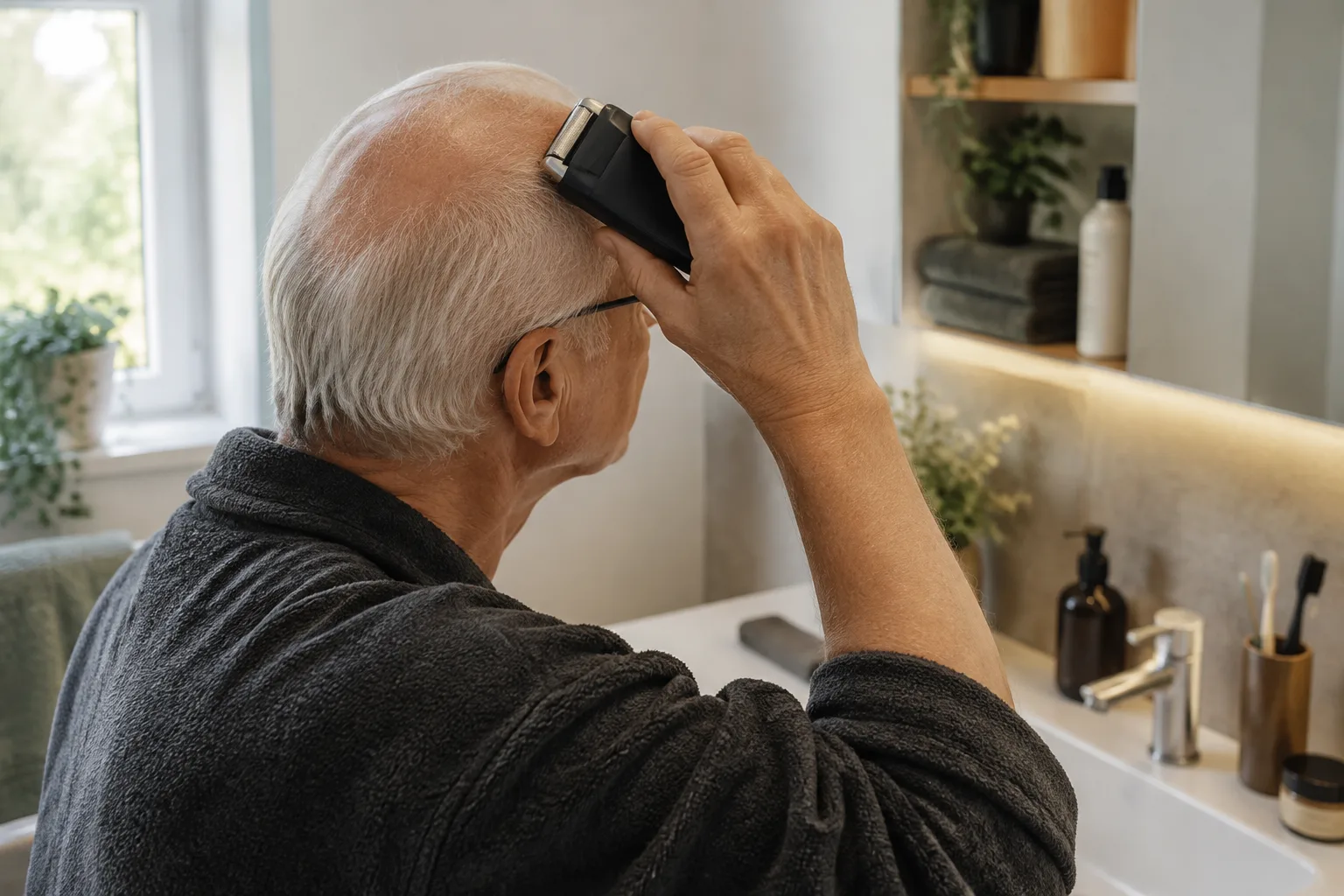
Area restrictions apply. Home IPL is generally not for eyebrows, scalp or genitals; always read the manual for exact do’s and don’ts. If you’re bald by choice or thinning up top, skip light on the scalp and stick with hardware designed for the job — our picks of the best head shavers will get it done cleanly.
What people are saying
The most common real‑world complaint is coverage discipline. It’s easy to overlap or leave stripes, especially on backs and shoulders. Work in parallel lines, use the glide function where available, and consider asking for help on hard‑to‑reach patches to keep things even.
Sensitivity is highly individual. Coarser hair and bonier areas tend to ping a bit more. That’s where gentle modes and lower intensities earn their keep. If you’re new to IPL, start conservative and step up only when you know how your skin responds.
Attachments aren’t just marketing. Smaller windows can hug contours and focus light on awkward spots like underarms; larger windows speed through thighs and backs. If you’re planning whole‑body sessions, the right head shapes will save you time and swearing.
Corded versus cordless is a lifestyle choice. Corded units are lighter in the hand and run indefinitely; cordless designs grant easier movement around big areas. If you live in a flat with limited sockets or you’re treating multiple rooms (it happens), factor cable routing into your plan.
Face and beard caution is warranted. Many home devices are not advertised for male facial hair, and dense beards can be too coarse for comfortable, consistent outcomes. If you do consider facial use where permitted, tread carefully, go slow and keep expectations realistic.
Hygiene and intimate areas need extra thought. Keep skin clean, avoid fragranced products immediately after, and only treat zones the manual allows. If you’re weighing up what’s safe to use on sensitive skin down there, our piece on soap for men’s private parts explains what won’t cause grief.
What happens next
Tech creep is already here: more sensors, smarter auto‑modes and app reminders are filtering into mainstream models. Expect the market to lean harder on safety prompts and speed gains rather than raw power — sensible in a home setting where consistency trumps bravado.
If your skin tone or hair colour falls outside ideal IPL territory, don’t force it. Reputable clinics can advise on laser types better suited to darker skin and lighter hairs; at home, trimming and shaving remain the reliable fallbacks. For scalp specifically, a dedicated device from our best head shavers guide is the safer route.
Choosing between today’s devices comes down to four questions: do you have suitable skin–hair contrast; which areas are you treating; how patient are you; and do you need attachments or cordless use. Set a realistic budget, watch for retailer discounts, and commit to the routine. Light will do its job — if you do yours.
Related: Winter skincare for men: the five moves that work now
Why this matters
Plenty of British men want smoother shoulders, backs or legs without booking clinic time. Home IPL can cut down the weekly shave if your skin and hair are a match, provided you follow the routine and respect the safety rules. Start with a small test area, moisturise after sessions, and use attachments to keep coverage tidy. If you’re treating intimate zones, swot up on gentler cleansers with our guide to soap for men’s private parts, and if your scalp needs regular attention, stick with a purpose-built shaver instead.
Common questions
- do ipl hair removal devices work on men
- Yes, IPL can slow regrowth on men when there’s contrast — darker hair on light‑to‑medium skin — and with consistent sessions. It’s not permanent and needs maintenance.
- what is the difference between ipl and laser hair removal
- IPL uses a broad spectrum of light; laser uses a single wavelength. Both target pigment in hair to heat follicles and slow regrowth, with different delivery methods.
- which ipl hair removal devices are popular in the uk now
- Notable options include Philips Lumea 9900, Braun Silk‑expert Pro 5, Ulike Air 10, SmoothSkin Pure Adapt and Silk’n Infinity Fast, all widely available at retailers.
- are ipl hair removal devices safe for dark skin
- Caution is required. Many devices aren’t suitable for darker skin tones due to burn risk. Always check the device’s skin‑tone chart and use the built‑in sensor if present.
- can i use ipl on my beard or face
- Many home IPLs aren’t advertised for male facial hair, and dense beards can be uncomfortable to treat. Check the manual carefully and proceed cautiously if allowed.
- how much do home ipl devices cost in the uk
- RRPs range roughly £179 to £610, with frequent sales. Recent discounts have brought some models down by 30–45 percent at major retailers.
- do you need to shave before using an ipl device
- Yes. Shave the area so light reaches the follicle rather than burning surface hair. Don’t wax or epilate beforehand, and moisturise after sessions.
Sources
This article was written by The Good Cut using the sources listed above. Product mentions are editorial unless clearly marked as sponsored.