Men's Style
Iconic menswear pieces: the classics we still rate now
A smart, UK‑minded rundown of the menswear icons that still earn their hanger space — and how to style them today.
By The Good Cut Editorial Team
Published · Updated · 6 min read
Quick answerFrom the Harrington and trench to 501s and Weejuns, the true icons endure because the originals still work. Here are the standouts and how to wear them now.
If you pick the right classics, you don’t need many of them. The pieces that started as military kit, workwear or sports uniforms have a habit of outliving trends because the function was honest, the cut was simple and the details earned their keep.
Right now, the originals are having another moment — not as retro dress‑up, but as dependable building blocks. We revisited the big hitters, their bona fide backstories and how we’d wear them in 2026 without looking like a museum exhibit.
What happened
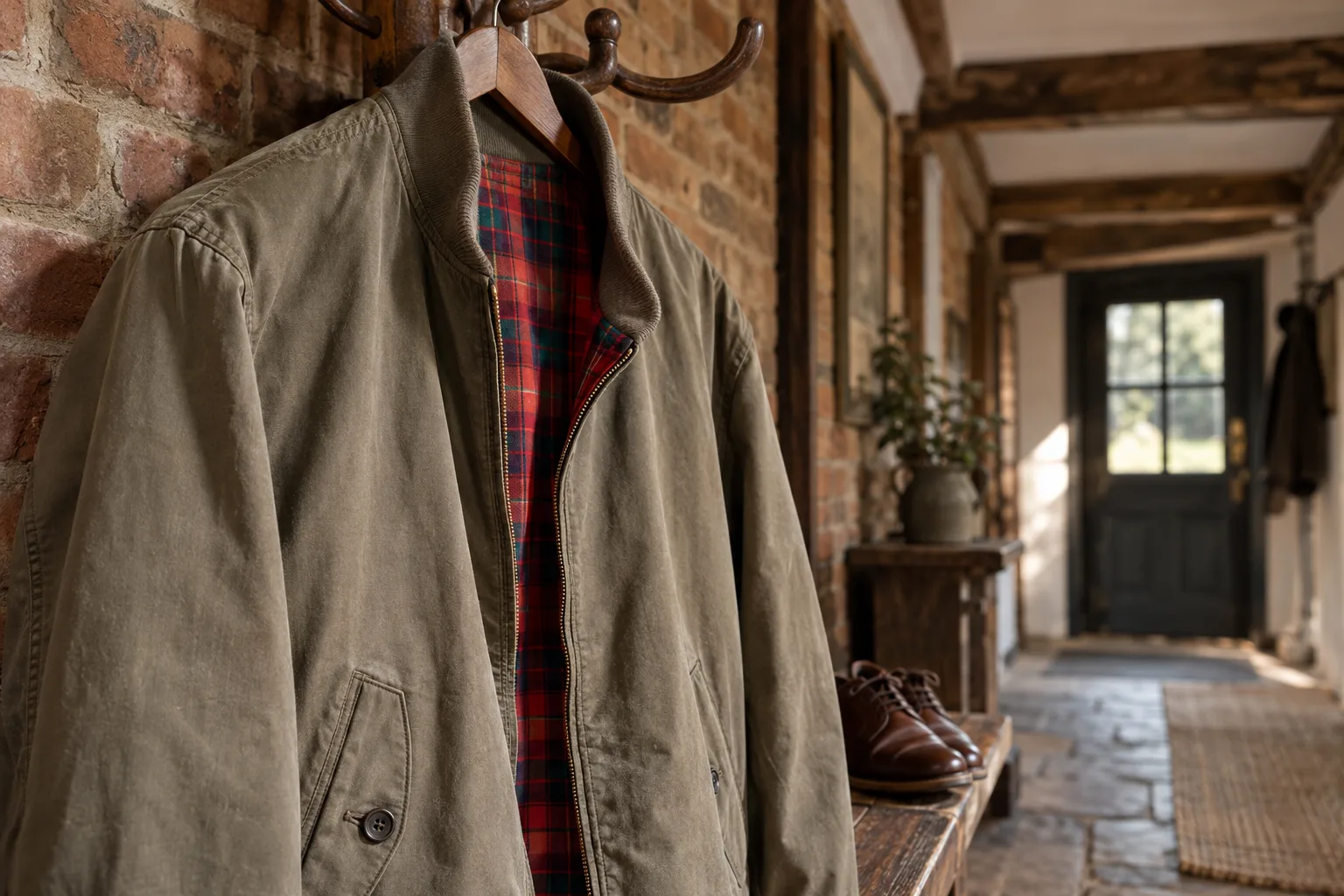
A string of menswear staples — many born between the 1870s and the 1960s — remains in production today with remarkably few tweaks. The Baracuta G9 Harrington first landed in 1937, retains its Fraser‑tartan lining and umbrella‑yoke back, and is still made in the UK.
Burberry’s trench coat, rooted in military use, is cut from gabardine, the tightly woven cloth Thomas Burberry devised in 1879; arguments persist over whether Aquascutum or Burberry did the first trench, but the design language is settled.
Schott’s Perfecto leather biker — also from 1937 — became a rebel uniform after Marlon Brando; American schools barred it in the wake of his 1953 film outing, which only burnished its myth.
Barbour’s waxed jackets started as foul‑weather armour for north‑east fishermen before being embraced far from the pier; crucially, the firm will re‑wax and repair the originals to keep them storm‑ready year after year in South Shields.
The MA‑1 flight jacket, popularised for civilians by Alpha Industries, brought ribbed hems, utility pockets and a jet‑age sheen from the cockpit to the pavement, and still works hard over tees and denim.
Levi’s trucker jacket, which took shape in the early 20th century, endures because metal hardware and robust denim make it ideal for layering — it sits neatly under overcoats and over hoodies without fuss.
The background
The Harrington’s cross‑culture credentials run deep: adopted by golfers for its weather resistance, then by British subcultures from mods to skinheads, and even seen on screen via 007 in a Harrington‑style silhouette.
The trench won its stripes because form followed function: storm flap, deep vent, belted waist and cuff straps were about staying dry, not peacocking. That utility is why it sharpens both suiting and sweats today.
The Perfecto’s shorter cut, asymmetric zip and coin pocket were innovations for actual motorcyclists — the attitude came later via punk and New York bands. Go matte black, keep hardware minimal, and it’ll outlive trendier leathers.
Barbour’s signature: waxed cotton, bellows pockets, a corduroy collar and brass hardware. Treated roughly, it softens into you; treated carefully, an annual re‑wax restores it. It’s one of the few fashion items you can literally service.
The MA‑1’s practicality — insulation without bulk, knit trims that block draughts — is why it left the base. If high‑shine feels full‑on, choose a muted nylon and size just roomy enough for a hoodie underneath.
Levi’s 501 began life in 1873 as riveted work pants, has had countless fabric and fit refinements, and now exists in modern spins like a Custom Taper for those who want the heritage but a narrower leg.
Fred Perry’s tipped‑collar polo isn’t just a weekend shirt; it’s a garment with British subculture woven in, from mods to football casuals. The piqué cotton and trim fit explain why it still flatters across builds.
Dockers helped pull chinos out of the office ghetto with hardy cotton twill and easy slim‑tapered legs. A khaki pair bridges trainers and loafers in a way denim sometimes can’t.
John Smedley’s fine‑gauge merino knits justify the Royal Warrant: ethically sourced New Zealand wool, reliable temperature regulation and a clean crew or V that slides under tailoring better than bulkier knits.
Turnbull & Asser has cut shirts since 1885, using long‑staple Egyptian cotton and mother‑of‑pearl buttons; a crisp sky blue or white remains the safest investment if you wear a tie less often than you used to.
G.H. Bass Weejuns turned a Norwegian farm shoe into the original penny loafer in 1936 by adding the saddle strap with the diamond cut‑out. Hand‑sewn uppers and a low profile make them easy with jeans or tailoring.
Converse Chuck Taylor All Stars, around a century old, persist because rubber plus canvas is nearly impossible to overload. They work battered or box‑fresh and pair cleanly with straight‑leg denim.
Clarks’ Desert Boot, created in the 1950s and inspired by the crepe‑soled shoes worn by off‑duty officers in Cairo, nails that smart‑casual midpoint — suede sands down formality without sacrificing shape.
Dr. Martens’ eight‑eye 1460, launched on 1 April 1960, used an air‑cushioned sole designed for comfort and graft; once worn in, they’re almost indestructible and add healthy grit to soft outfits.
Gucci’s horsebit loafer — mid‑century Florentine in origin and later intertwined with London’s Garage scene — adds a flash of metal that reads dressy even with rolled chinos and bare ankles.
Ray‑Ban’s Aviators arrived for pilots in the 1930s via Bausch & Lomb. The teardrop lens shields glare and, crucially, suits a wide range of face shapes, which is why they refuse to go away.
How we’d wear the icons now
We rate a dark Harrington over a knit polo with straight 501s for an easy night‑out uniform. If you live somewhere truly wet, the trench over denim and Chucks is smarter and drier than a puffer.
The Perfecto behaves best with restraint: black tee, grey wool trousers and penny loafers for contrast, or black denim and a white Oxford if you insist on boots underneath.
A Barbour plus our favourite car‑coat alternative will see you through British weather shifts; rotate the waxed cotton with a wool mac to avoid living in olive green.
Weejuns and Chucks cover 80% of shoe duties between them. For denim‑and‑trainer pairings that don’t look sixth form, see our guide to wearing jeans with trainers that actually works.
If 501s don’t love your thighs, you’re not the problem — cuts differ. Our breakdown of the best jeans for your body type explains which rises and legs to try before you give up on straight fits.
Docs and Desert Boots are your winter and shoulder‑season anchors respectively. For dressing tougher boots up, consider how modern heritage styles have gone smarter — see the thinking behind work boots going dressy.
What people are saying
Among collectors, the consensus is that provenance and care trump novelty: original pattern details, decent leather or cloth, and the ability to service or repair the item make it worth keeping.
Tailors and shirtmakers will tell you fabric handles are non‑negotiable. Long‑staple cotton shirting and fine‑gauge merino drape better, last longer and sit cleaner under jackets than cheaper blends.
Stylists lean on contrast. Hard leather with soft trousers; a trench over a hoodie; loafers under denim. It keeps icons from feeling like costumes and helps transition from office to pub.
Repair culture is back, not just for budget but for patina. Re‑waxing, resoling and re‑lining extend the life of heritage kit and often make it look better, not worse, after years of wear.
On fit, modern advice is simple: avoid the temptation to size up “for vibe”. The best icons skim the body — roomy enough for a layer, never swampy.
For sunglasses, lens size and bridge fit matter more than brand heat. Aviators suit many faces, but narrower jaws often prefer a slightly smaller lens drop.
What happens next
Expect more faithful reissues and quiet fabric upgrades: recycled nylons in bombers, traceable merino in knits, and softer selvedge denims that break in quicker without losing backbone. The sweet spot is original design language with 2026 comfort.
If you’re buying, prioritise the real makers and the honest details. For leathers: full‑grain and robust zips. For trenches: gabardine that beads water, not just “cotton blend”. For loafers: hand‑sewn aprons and resolable outsoles.
Care is the other half of ownership. Brush and re‑wax Barbour every year or two; condition leather sparingly; rotate shoes and use trees; wash denim infrequently and air dry. Small rituals make icons last like icons.
Finally, build around one hero at a time. Let the Harrington own the silhouette, or start with the 501s and keep tops unfussy. Stack too many classics at once and you’ll look like a catalogue; choose one, get the fit right, and the rest falls into place.
Related: How to wear a suit in 2026: the Scandi tailoring shift
Related: Which country has the most stylish football fans? Soweto stands out
Why this matters
For UK readers, the takeaway is simple: you don’t need more clothes, you need the right ones — pieces with real pedigree that handle our weather and social zig‑zags. Start with a trench, a waxed jacket or a straight‑leg jean, learn the upkeep, and use our guide to pick jeans that suit your build. You’ll buy less, wear more, and look better for longer.
Common questions
- what are the most iconic menswear pieces
- Think Harrington and trench coats, a leather biker, a waxed Barbour, Levi’s 501s, penny loafers, Converse Chucks, Clarks Desert Boots and Ray‑Ban Aviators.
- when was the harrington jacket invented
- The Baracuta G9 Harrington dates to 1937 and still keeps its trademark tartan lining and umbrella‑yoke back.
- what is special about the burberry trench coat fabric
- It’s made from gabardine, a tightly woven, weather‑resistant cloth created by Thomas Burberry in 1879.
- when did dr martens 1460 boots come out
- The eight‑eye 1460 boot launched on 1 April 1960 and introduced the brand’s air‑cushioned sole to the world.
- are levi’s 501 jeans still worth buying
- Yes. The 501 debuted in 1873, is durable, and now includes modern variants like a Custom Taper for a slimmer leg.
- what are penny loafers based on
- G.H. Bass Weejuns from 1936 adapted a Norwegian farm shoe, adding a leather saddle strap with a diamond cut‑out.
- what inspired clarks desert boots
- They were inspired by crepe‑soled shoes worn by off‑duty officers in Cairo, becoming a Clarks classic in the 1950s.
- who made the original aviator sunglasses
- Bausch & Lomb developed them in the 1930s and launched them under the Ray‑Ban name in 1936 for pilots.
Sources
This article was written by The Good Cut using the sources listed above. Product mentions are editorial unless clearly marked as sponsored.