Men's Style
How to wear a suit in 2026: the Scandi tailoring shift
Scandinavian tailoring is reframing suiting for 2026 with looser cuts, colour, separates and smart rule‑keeping.
By The Good Cut Editorial Team
Published · Updated · 6 min read
Quick answerIn 2026, wear a suit with relaxed proportions, richer colours like dark green, and treat the jacket and trousers as separates. Nail sleeve and trouser lengths and keep your office suit for workdays.
Scandinavian tailoring labels are quietly redrawing the rules of suiting in 2026. Between Stockholm, London and Oslo, Saman Amel and Cavour are pushing a sharper, easier way to wear a suit that favours relaxed proportions, richer fabrics and real‑world styling.
Their premise is simple: respect craft, loosen the grip of old dress codes and wear tailoring as part of a broader wardrobe. The result is suiting that feels modern without tipping into novelty — and it’s a formula we rate for British streets and offices right now.
What happened
Designers at Saman Amel and Cavour have sketched a clear direction for suiting this year: a move away from tight and short cuts towards gently generous silhouettes. That doesn’t mean sloppy; they advocate precise basics — clean waist suppression, sensible sleeve length and trousers that break where you intend.
Colour is firmly back in play. Cavour’s Richard Scharnke encourages men to step beyond navy and grey, naming dark green as a versatile choice that works with denim shirting in warm months and textured knits when it’s cold. If you’re building separates, green pairs cleanly with grey flannel trousers.
Occasionwear gets its own brief. Cavour’s Sebastian Scharnke argues your Monday suit isn’t for Saturday weddings; instead, look to characterful fabrics or a different lapel shape for non‑work events. It’s a candid reminder to think about purpose before you reach for that weekday staple.
The rulebook hasn’t gone out the window so much as been edited. Fit is still gospel — as Sebastian puts it, “Fit matters more now.” He frames the modern suit as easier through the chest and seat, but always disciplined at the cuffs, waist and hem.
Inspiration sources are unusually broad. Saman Amel’s Dag Granath points to a long‑running Tumblr of Italian businessmen as a study in effortless, well‑made clothes worn without theatre. He also cites womenswear archives — in particular 1990s work at Hermès and the minimal, rigorous wardrobe thinking that still reads as contemporary.
Crucially, tailoring is no longer a closed ecosystem. The designers see men folding suit pieces into fashion‑led wardrobes: a softly structured jacket over wide chinos one day; full suit with a crisp shirt the next. Separates are the hinge that makes it all work.
For fabrics, the Scandinavian viewpoint embraces tactility across seasons. You’ll see wool‑mohair twills that hold shape in summer, flannel pinstripes with soft drape for winter, and refined blends like silk‑linen or cashmere‑silk for a quiet sheen. Each choice changes the mood without shouting.
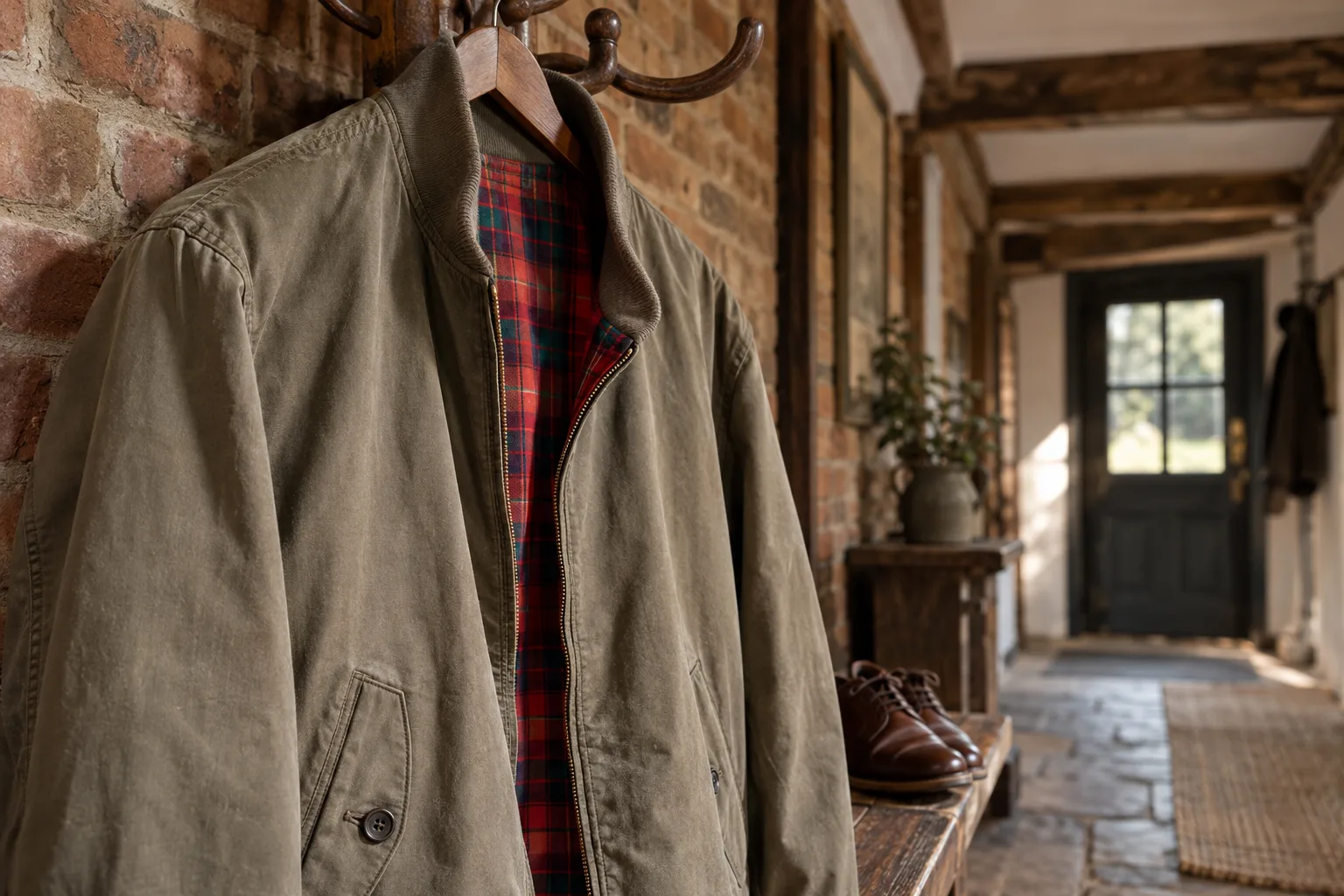
If you want a single purchase that hits these notes, our pick is a dark‑green flannel or brown wool suit cut with a soft shoulder and medium rise trouser. It feels current with a denim shirt, or classic with a pale oxford. For navy loyalists, see our guide to the best navy suits for men in 2026.
The background
The daily suit faded with flexible dress codes, but tailoring didn’t die; it adapted. Scandinavian makers sit neatly between British structure and Italian ease, which explains the appeal: clean lines, softer shoulders and fabrics that move.
Relaxed silhouettes are not accidental trend‑hopping. Looser jackets create airflow in summer and layering room in winter, while a slightly fuller leg drops with better line above smart shoes or pared‑back trainers. It’s comfort, but dressed.
Colour caution kept many men in a navy‑and‑grey loop for years. Green functions as a modern neutral because it grounds with brown, grey and blue, and it flatters the majority of complexions. Confident wearers can explore tobacco, air‑force blue or deep burgundy in separates.
If you’re new to separates, anchor with mid‑grey flannel trousers. They sit under olive, navy, brown and camel jackets, and they smarten up instantly with a tucked knit. We’ve long championed timeless mix‑and‑match pieces in our edit of iconic menswear classics.
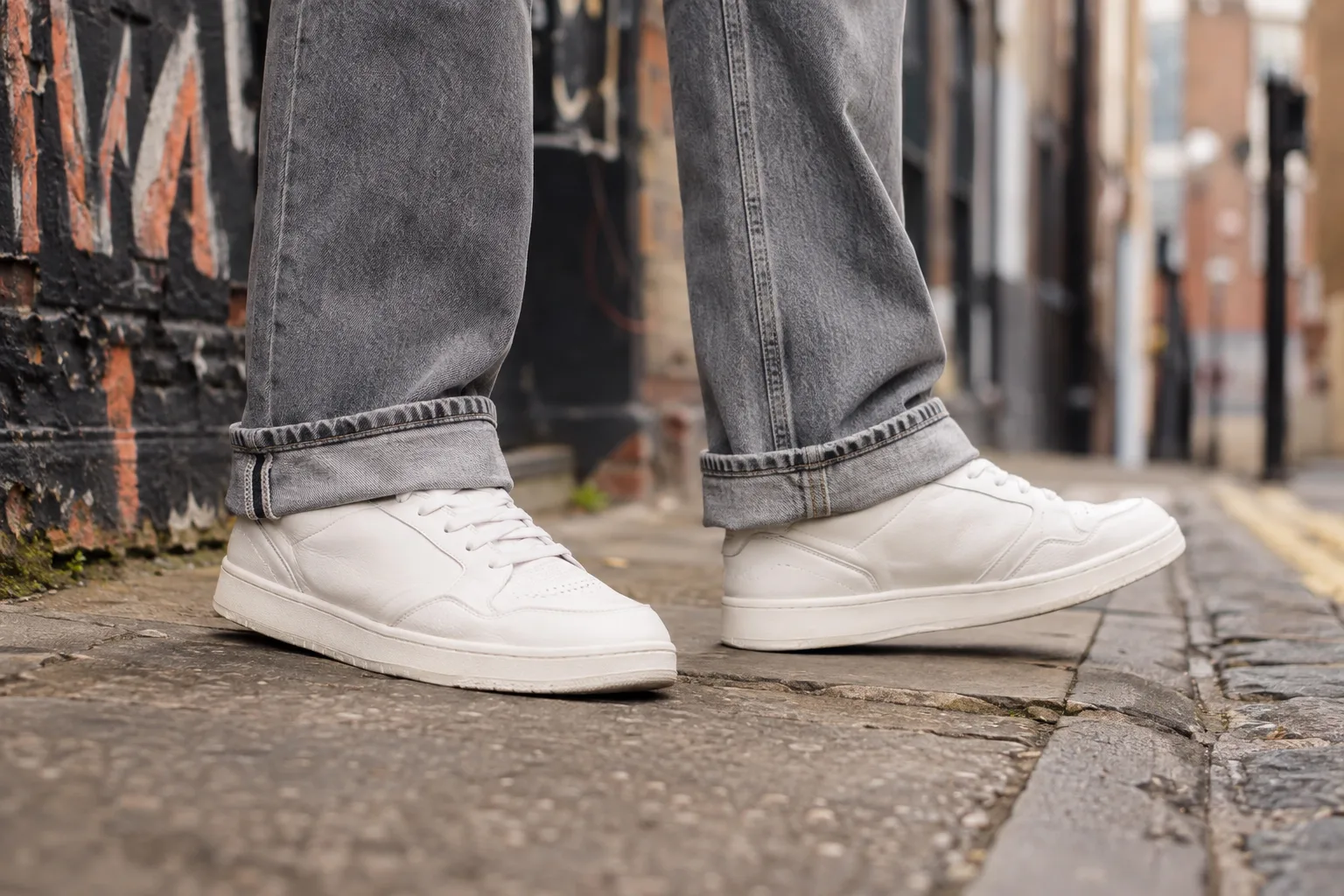
Footwear matters when the suit loosens up. Derby shoes and loafers keep the line sleek, while minimal trainers dial down the formality without looking sloppy. For off‑duty pairings, our guide to wearing jeans with trainers helps calibrate proportions.
The influence of womenswear archives is not about copying; it’s about discipline in silhouette and fabric choice. Think monochrome looks, restrained hardware and fabrics that drape rather than cling. These ideas translate directly to men’s jackets, trousers and knits.
On the runway side, the broader shift is toward quieter luxury and precise cut. We’ve already seen sharp, minimally styled tailoring gathering pace, as we noted when decoding Haider Ackermann’s sharper, quieter tailoring.
What people are saying
Dag Granath, co‑founder of Saman Amel, frames Scandinavian freedom from old tailoring baggage as an advantage. Without inherited rules from childhood wardrobes, he argues, you can appreciate the suit as clothing first and a cultural signal second.
Granath’s Tumblr reference — a trove of Italian executives in candid settings — speaks to an ethos: buy well‑made clothes, then wear them naturally. No fussed pocket squares, no performance — just fabrics and proportions doing the work.
Richard Scharnke of Cavour wants anxious dressers to enjoy colour and texture. He suggests green as a year‑round option that works across denim, linen and flannel, and recommends building confidence via separates before leaping to a full non‑navy suit.
Sebastian Scharnke separates workwear from occasionwear and keeps the craft honest. Office suits remain for nine‑to‑five; weekend or evening events deserve a bit more personality, whether that’s a peak lapel, a chalk stripe or just a deeper, more interesting fabric.
On fit, Sebastian is unequivocal: “Fit matters more now.” He points to the end of sprayed‑on tailoring and a swing back to jackets with room across the back and trousers with a cleaner line, secured by the unglamorous but essential sleeve and hem adjustments.
The designers discussed these angles in an interview with Esquire UK, outlining how today’s suit sits alongside fashion‑first pieces rather than competing with them. That’s why separates and texture are central; they’re the bridge between classic and contemporary.
What happens next
Expect relaxed cuts, richer cloths and selective rule‑keeping to bed in. The return to proper waistbands and sensible rises will continue, mostly because they’re more flattering than ultra‑low, ultra‑tight trends.
We also expect to see more green in offices and at weddings. If bold feels risky, start with a green jacket over grey flannel; if you’re sold, commission or buy a full suit and keep shirts pale and unfussy.
For event dressing, build a small rotation: one dependable office suit, plus one character piece in flannel, mohair or a subtle pinstripe. Keep a good alterations tailor on speed dial; sleeve tweaks and hems transform off‑the‑rack buys.
Mixing tailored and casual pieces will keep expanding. A softly constructed blazer over pleated chinos or dark denim is a weekday winner; the full suit worn with a fine knit and loafers is a tidy evening uniform. For heritage cues without stuffiness, see our guide to reviving British heritage menswear.
Looking forward, womenswear’s emphasis on fabric hand and line will keep informing men’s tailoring. That means fewer loud details and more attention on cloth, drape and proportion — moves that make suits easier to wear more often.
If you’re buying once in 2026, we rate a soft‑shouldered two‑button in dark green or deep brown with a medium‑rise trouser. It will moonlight as separates, play nicely with denim or a knit, and feel convincingly modern without dating fast.
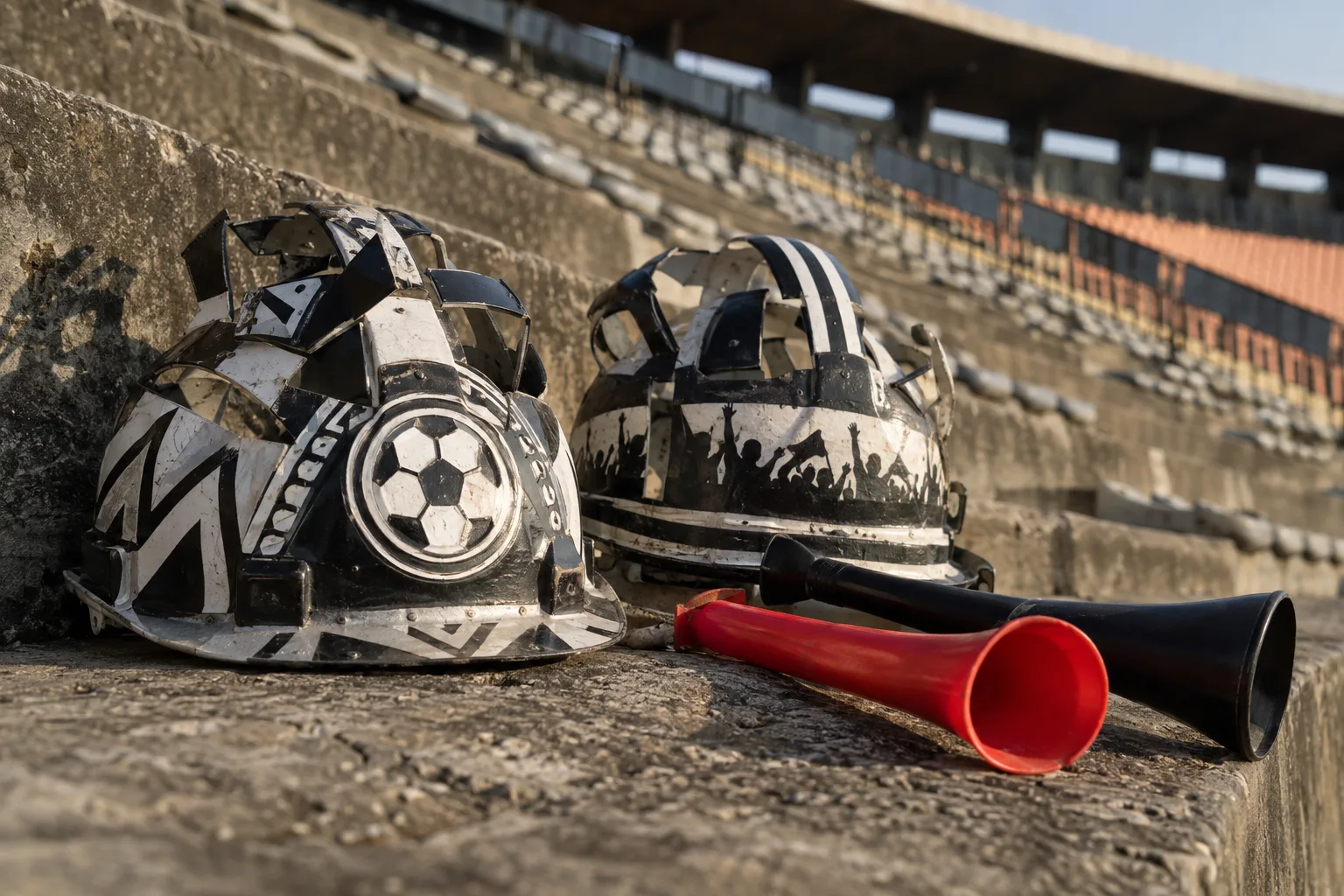
Related: Which country has the most stylish football fans? Soweto stands out
Why this matters
For UK men, this shift makes suits easier to wear more often. Choose relaxed cuts, explore green as a modern neutral and think in separates for mileage. Ask your barber for a cleaner, softer hairstyle to match the suit’s ease, and bookmark our take on iconic menswear classics to build around it.
Common questions
- how should i wear a suit in 2026
- Go relaxed but precise: softer jacket, slightly fuller trousers, perfect sleeve and hem. Use colour like dark green and treat jacket and trousers as separates.
- are looser suits in style in 2026
- Yes. Scandinavian makers advocate gently generous silhouettes and an end to very tight, short tailoring, while keeping fit fundamentals sharp.
- is green a good suit colour now
- Yes. Designers highlight dark green as versatile for summer and winter, pairing well with denim shirts, flannel trousers and neutral knits.
- can i wear my office suit to a wedding
- You can, but it’s not ideal. Designers suggest occasion suits with characterful fabrics, different lapels or textures instead of weekday workwear.
- what suit fit details matter most
- Sleeve length, trouser length and waist fit matter most. A good alterations tailor can fine‑tune these and transform off‑the‑rack suiting.
- can i mix my suit with casual pieces
- Yes. Wear a soft blazer over chinos or denim, or split dark trousers with knitwear. Tailoring now mingles easily with fashion‑led separates.
- where can i look for suit styling inspiration
- Study candid images of well‑dressed professionals and archival womenswear for silhouette and fabric ideas. The point is effortless, natural wear.
- what fabrics should i consider for 2026 suits
- Try wool‑mohair for structure in heat, flannel pinstripes for winter drape, and silk‑linen or cashmere‑silk blends for subtle texture.
Sources
This article was written by The Good Cut using the sources listed above. Product mentions are editorial unless clearly marked as sponsored.