Grooming & Skincare
Beard balm uses: what works beyond your beard?
Beardbrand’s expanded list of balm uses mixes practical grooming advice with bigger skincare claims. Here’s where a versatile moisturiser earns its place — and where it doesn’t.

By Hannah Lloyd, Culture Writer
Published · 6 min read
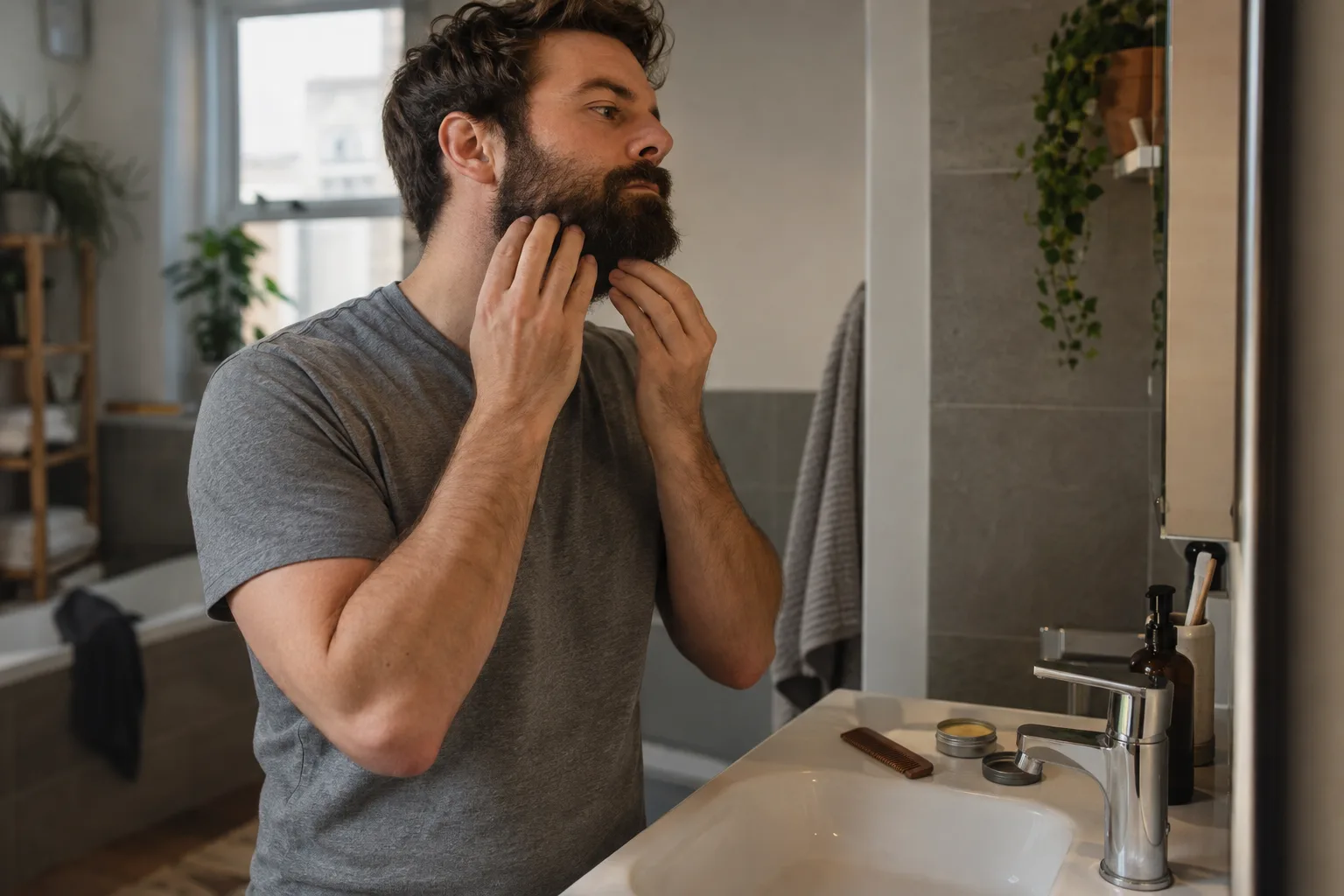
Quick answerBeard balm conditions facial hair, and some formulas can also soften dry skin or add shine to head hair. Beardbrand recommends broader uses, but its guide does not establish that the balm repairs broken hair, reduces scars or works as an eye treatment.
Timeline
2016
Beardbrand says it launched the product originally known as Utility Balm.
2018
Will Mouradian wrote the original version of the brand’s balm-use guide.
10 September 2026
The supplied guide credits Mike Lawson with an update covering 11 suggested applications.
Beardbrand is making a broader pitch for beard balm: not just softer whiskers, but a grooming product with jobs across the bathroom shelf. Its updated guide recommends 11 applications, stretching from ordinary conditioning to use around the eyes and on scars. The useful distinction for anyone buying a tin is between a moisturising effect and a treatment claim.
That distinction matters because the article is advice from the company selling the product, not a report of an independent trial. Several suggestions fit the ingredients’ familiar cosmetic roles; others go beyond what the evidence presented in the guide can establish.
What happened
The Beardbrand article, updated by Mike Lawson on 10 September 2026, describes a product previously called Utility Balm. Rather than restricting it to facial hair, the company proposes using it on head hair, the scalp, hands, feet and healed tattooed skin, among other areas. This is an expanded set of instructions for an existing product, not an announced new formulation.
Its ingredient list helps explain the crossover. According to Beardbrand, the balm contains shea and mango seed butters alongside apricot kernel and jojoba seed oils, plus beeswax. Oils and butters can soften the feel of skin and hair; waxes can help form a surface barrier that limits moisture loss. None of those functions is exclusive to a beard.
The important catch is that this advice concerns one formula. Beard balm is a product category, not a standard recipe: different tins contain different proportions of wax, oils, butters and fragrance. Instructions for a conditioning balm cannot automatically be transferred to a firmer styling product or a heavily fragranced alternative.
Beardbrand specifically says its version does not provide hold. It does suggest that the wax helps keep loose hairs in order more effectively than oil alone. Think surface tidiness rather than structural support: a little balm might soften a fluffy outline, but it is not the obvious choice for keeping a sculpted moustache in position.
Distribution also matters. A lump sitting on the outside of a beard cannot do much for the hairs underneath. Our guide to choosing a beard comb beyond its material explains why the tool deserves consideration too. Work gently through the hair rather than trying to force a comb through knots.
The background
Conditioning is not repair
Hair above the skin is made of non-living keratin. Conditioning products can coat its surface, improve slip and make rough strands feel smoother, but they cannot biologically heal a snapped hair. That is the problem with Beardbrand’s suggestion that its balm can repair broken hair: a better feel is not the same as restored structure.
The brand also recommends a generous overnight application as a conditioning mask. Leaving a product on longer does not, by itself, demonstrate a greater benefit. A heavy application may simply leave more residue, particularly on fine head hair. Start with the normal label directions rather than assuming an overnight soak is the next level of grooming competence.
Dry skin needs a slightly different explanation. Moisturisers can combine ingredients that attract water with others that soften skin or reduce water escaping from it. A butter-and-oil-rich balm mainly makes sense in those latter roles. Applied to slightly damp skin, a suitable formula can help retain moisture already present; it is not supplying water simply because it feels rich.
Scent is part of the formula
Beardbrand offers the balm in its fragrances, which makes tolerance worth considering before spreading it over larger areas. Fragrance can irritate sensitive skin or trigger allergic contact dermatitis in susceptible people. Botanical ingredients are not automatically gentler, and the guide’s contrast between natural ingredients and supposedly irritating synthetics is too sweeping.
For everyday use, scent is also a practical choice: a beard product sits close to your nose and may compete with your cologne. Our advice on choosing a cologne without buying into a personality offers a useful approach to that decision. You need to enjoy wearing the smell, not just its description.
Shaving introduces another variable. A balm may provide some lubrication, but that does not establish that it performs like a purpose-made shaving preparation. Use a product intended for shaving if that is the job you need done, particularly on easily irritated skin. A comfortable beard conditioner need not become your razor’s new best friend.
What people are saying
The claims here come from Beardbrand and its account of how customers use the product. The company says members of its community have suggested additional applications, but the supplied article does not provide independent user testing, named clinical experts or measured outcomes for those uses. Customer ingenuity is an idea generator, not a substitute for testing.
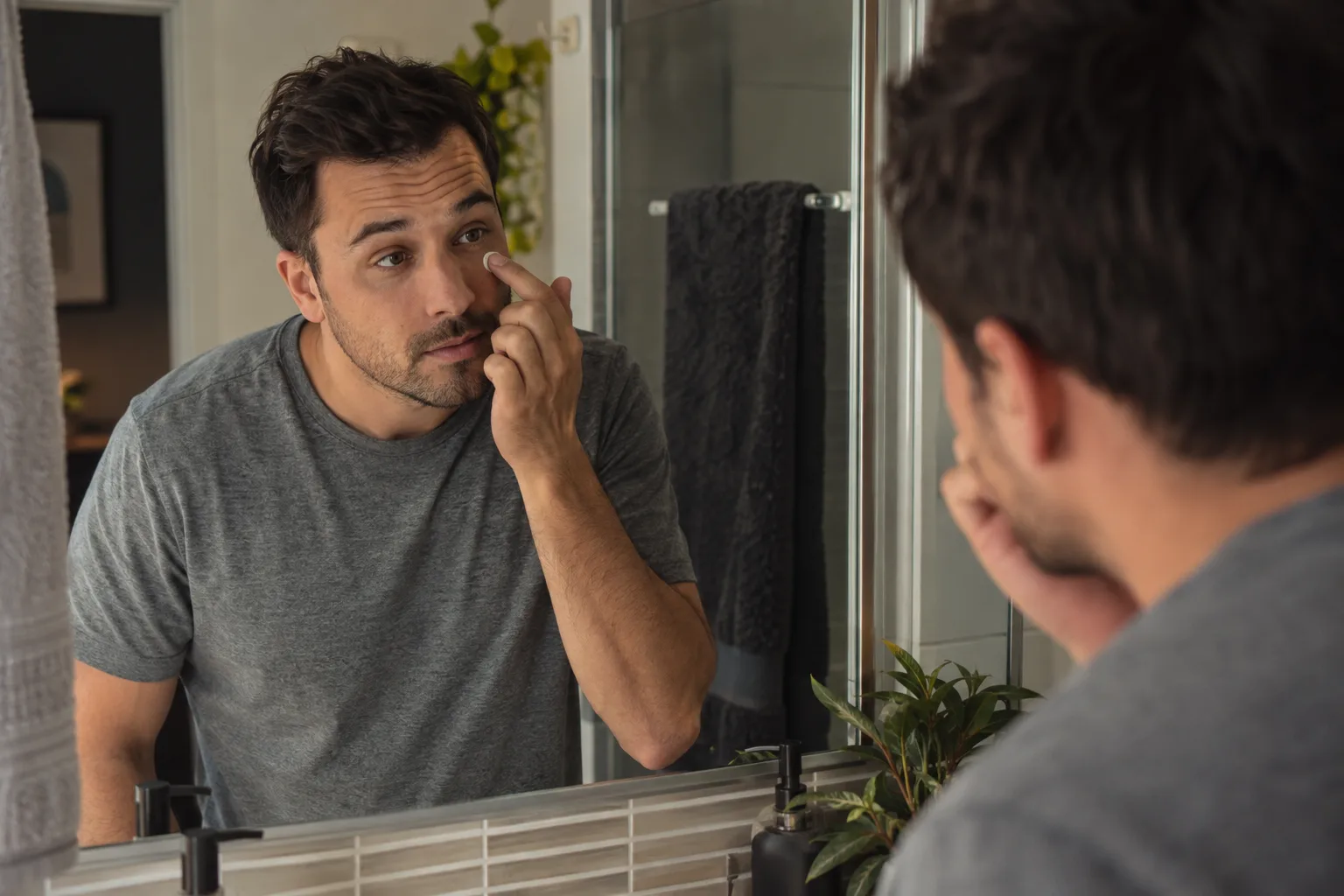
The eye-area recommendation deserves particular caution. Beardbrand connects the butters’ nutrient content with collagen support and a possible improvement in fine lines. However, ingredients having certain properties does not prove that a finished fragranced balm delivers a meaningful anti-wrinkle effect. Use products labelled as suitable for the eye area, and keep them out of the eyes themselves.
Its discussion of scars and stretch marks has a similar gap. Moisturising can improve the comfort and surface appearance of dry skin, but that is not evidence of remodelling a scar. The article does not present controlled testing of the balm for either concern. Persistent or troubling scarring warrants advice from a qualified clinician rather than increasingly enthusiastic application.
The tattoo advice contains a sensible boundary: Beardbrand excludes fresh tattoos and directs readers to their tattoo artist’s aftercare instructions. On healed skin, moisturising can reduce the dull appearance caused by dryness, but it does not replenish tattoo pigment. Protecting healed tattoos from ultraviolet exposure is a separate task requiring clothing or suitable sunscreen.
Sunburn is another place to resist improvisation. The guide suggests balm for non-blistered sunburn and mentions a low SPF associated with shea butter. An ingredient-level estimate is not a tested SPF for the finished product. Choose labelled sunscreen with at least SPF 30 and strong UVA protection; for existing sunburn, cool the skin and use an unperfumed moisturiser. Seek medical advice for blistering, marked swelling or feeling unwell.
What happens next
Give it one clear job first
For readers trying balm, the sensible starting point is the beard itself. Follow the packaging, spread a small amount between your palms and work it through slightly damp facial hair. Add more only if needed. Beard length, density and the richness of the formula matter more than a universal finger-sized scoop.
Judge the result once the beard has dried. Softer hair without a greasy coating is a useful outcome; clumping or a persistent oily feel suggests using less. With very short facial hair, skin comfort may be the bigger concern. Our guide to getting a 5 o’clock shadow without the guesswork covers the distinct demands of maintaining stubble.
Before trying a new product more widely, test a little on a small area of intact skin as directed by the manufacturer. That cannot rule out every reaction, but it can flag obvious irritation. Stop using it if redness, itching or burning develops, and avoid experimenting on broken or inflamed skin.
Finally, do not diagnose every beard flake as dryness. Persistent itching, redness and scaling can accompany conditions such as seborrhoeic dermatitis, which may need targeted treatment. A pharmacist or GP can help when routine care is not settling it. More balm is not always the answer — even when there is plenty left in the tin.
Related: Buzz cut: how short to go and what to ask your barber
Related: Eye creams for men: what the 2026 shortlist actually tells us
Why this matters
For UK readers, the opportunity is a simpler routine, not a bathroom clear-out based on one brand’s claims. Ask your barber whether your beard needs conditioning, stronger hold or a different trimming approach before buying another product. If you mainly wear carefully maintained stubble, prioritise how the skin underneath feels. Keep sunscreen, tattoo aftercare and treatment for persistent irritation in their own lanes: a versatile cosmetic can save a step without replacing specialist care.
Common questions
- what does beard balm actually do?
- Beard balm conditions facial hair and can help it feel softer and look less unruly. Hold varies by formula; Beardbrand describes its version as a conditioner without styling hold.
- can i use beard balm on my skin?
- Some formulas can soften dry skin, but check the product’s directions before using it beyond your beard. Fragrance and other ingredients may irritate sensitive skin, so try a small area first.
- can beard balm repair damaged hair?
- Beard balm cannot biologically repair broken hair. It can coat strands, improve slip and make rough hair feel smoother, which is a conditioning effect rather than restored structure.
- can i put beard balm on a tattoo?
- Beardbrand suggests its balm for healed tattooed skin, not fresh tattoos. Follow your tattoo artist’s aftercare instructions while healing; moisturising does not replace pigment or provide sunscreen protection.
- is beard balm safe to use under my eyes?
- Do not assume a beard balm is suitable for the eye area. Choose a product labelled for that use; Beardbrand’s guide does not establish an anti-wrinkle benefit for its finished balm.
- does beard balm protect you from the sun?
- Do not rely on beard balm for sun protection unless the finished product has a labelled, tested SPF. An estimate for an individual ingredient does not establish the balm’s protection.
- how should i apply beard balm?
- Follow the label, spread a small amount between your palms and distribute it through slightly damp facial hair. Comb gently and add more only if needed; a greasy finish suggests using less.
About the writer
Hannah LloydCulture Writer · Bristol
Celebrity style, entertainment and the way men live now.
More from HannahSources
This article is original reporting by The Good Cut based on the sources above. Last reviewed 8 October 2026. Product mentions are editorial unless clearly marked as sponsored.