TrendingCulture & Lifestyle
Guinness, Zuckerberg and the trouble with judging a sip
A tech interview has become a debate about stout, facial expressions and the peculiar business of proving you belong in a pub.
By The Good Cut Editorial Team
Published · 6 min read
Quick answerGuinness is attracting attention after clips showed Mark Zuckerberg drinking it on Cheeky Pint with Alexandr Wang and John Collison. Viewers interpreted Zuckerberg’s expression as dislike, but a brief reaction does not establish either guest’s opinion of the stout.
Guinness has become an unlikely talking point in Meta’s AI publicity after clips of Mark Zuckerberg and Alexandr Wang drinking it on John Collison’s Cheeky Pint podcast circulated online. Zuckerberg’s expression after a sip prompted viewers to question his enthusiasm for the stout, turning a lengthy technology conversation into a much shorter debate about pub manners.
The Guinness Wikipedia page recorded 1,653 views on 13 October, around 33% above its typical daily figure. That is a modest measure of attention, not evidence of a sales rush. Our take on the fuss: the clip makes an entertaining diversion, but treating a mouthful of beer as a personality test is asking rather a lot of a pint.
What happened
The moment attracting scrutiny is straightforward. Zuckerberg takes a measured sip, moves the beer around his mouth and appears to wince. Shared separately from the wider conversation, the footage invited a familiar social-media pastime: supplying someone else’s internal monologue from a few seconds of facial movement.
There is a useful complication to the reluctant-drinker interpretation. During the episode, Zuckerberg said he had brought Collison a keg of Guinness from Dublin. A present for a host does not prove a personal preference, but it makes this a more interesting exchange than a guest simply encountering an unwelcome drink.
Collison, a Stripe cofounder, conducts the interview series over Guinness as part of its established format. The episode opened with the participants raising their glasses. The beer was therefore part of the setting from the outset, rather than an impromptu taste test or a request for the executives to review Irish stout.
The actual discussion ran for 134 minutes and dealt with Meta’s AI ambitions, including Muse and the company’s spending plans. Zuckerberg described using the product to assess footage of his MMA training and provide feedback between rounds. Wang discussed using his own agent to find teas from vendors in Taiwan and Japan.
Those examples explain what the guests had come to discuss: practical uses for personal AI, alongside multimodal systems, privacy, security and larger models. They do not establish how well the products perform. But they provide context that disappears when an interview about technology becomes a clip about somebody’s mouth.
The background
Guinness is an Irish dry stout, with roasted grain flavours and a bitterness that can suggest coffee or dark chocolate. Those comparisons describe flavour, not a promise of sweetness. Someone expecting the gentle sweetness of a chocolate drink is approaching a distinctly different proposition.
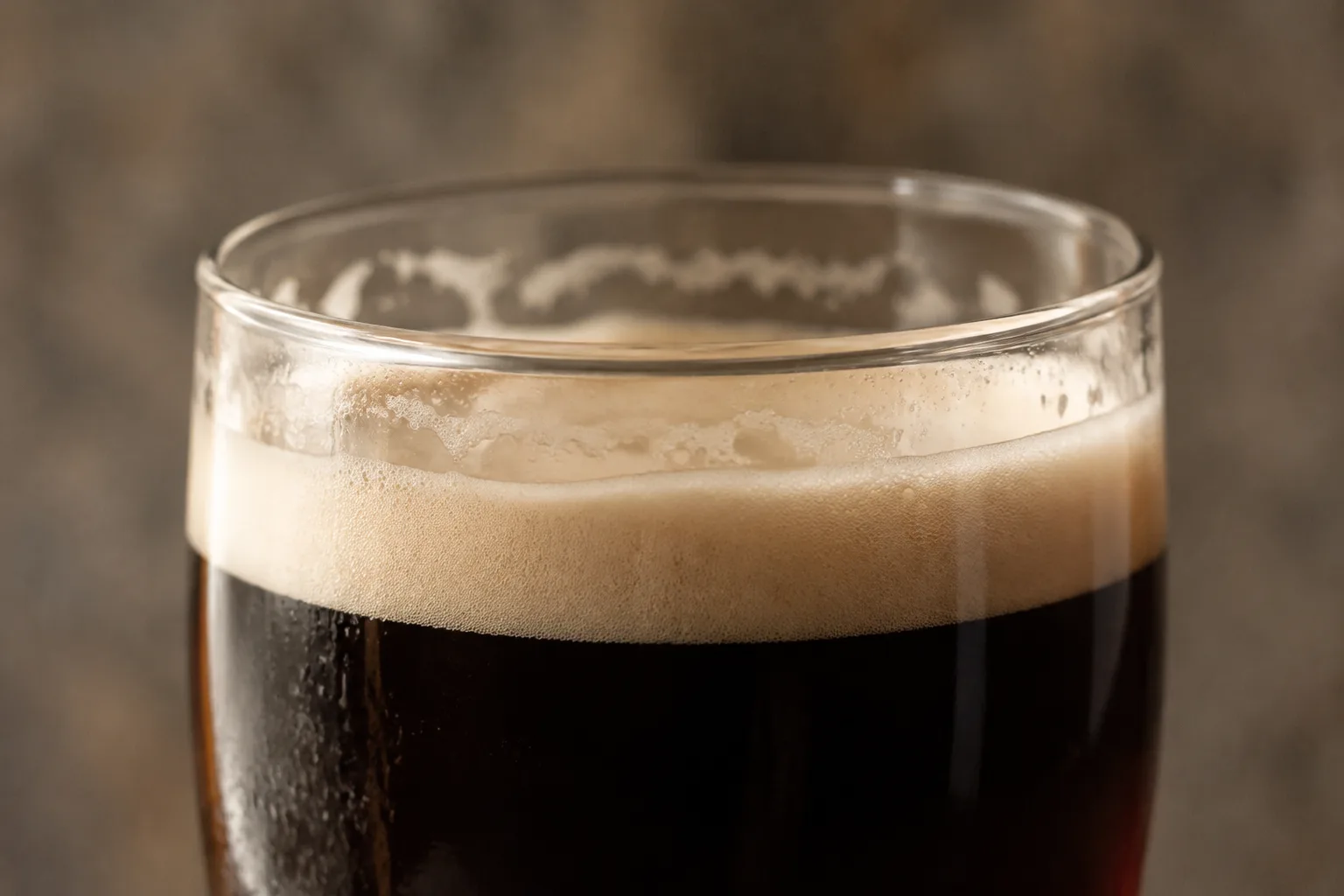
Its appearance can also mislead newcomers. The dark beer and pale, creamy-looking head might suggest something especially heavy or dessert-like. Colour alone, however, tells you neither a beer’s alcohol strength nor how sweet it will taste. Dark roasted grain can bring pronounced flavour without turning a drink into liquid pudding.
For draught Guinness, nitrogen helps produce the fine bubbles associated with its smooth texture and compact head. Mouthfeel and flavour are separate things: a beer can feel soft while finishing bitter. That contrast offers a perfectly ordinary reason for someone to pause over a mouthful, without making their expression a reliable verdict.
There is a social layer, too. A familiar pub drink gives a filmed business conversation a different setting from a conference stage. Our reading is that the format invites viewers to look for informality: the clink of glasses, the unguarded response, the sense of powerful people having an ordinary chat.
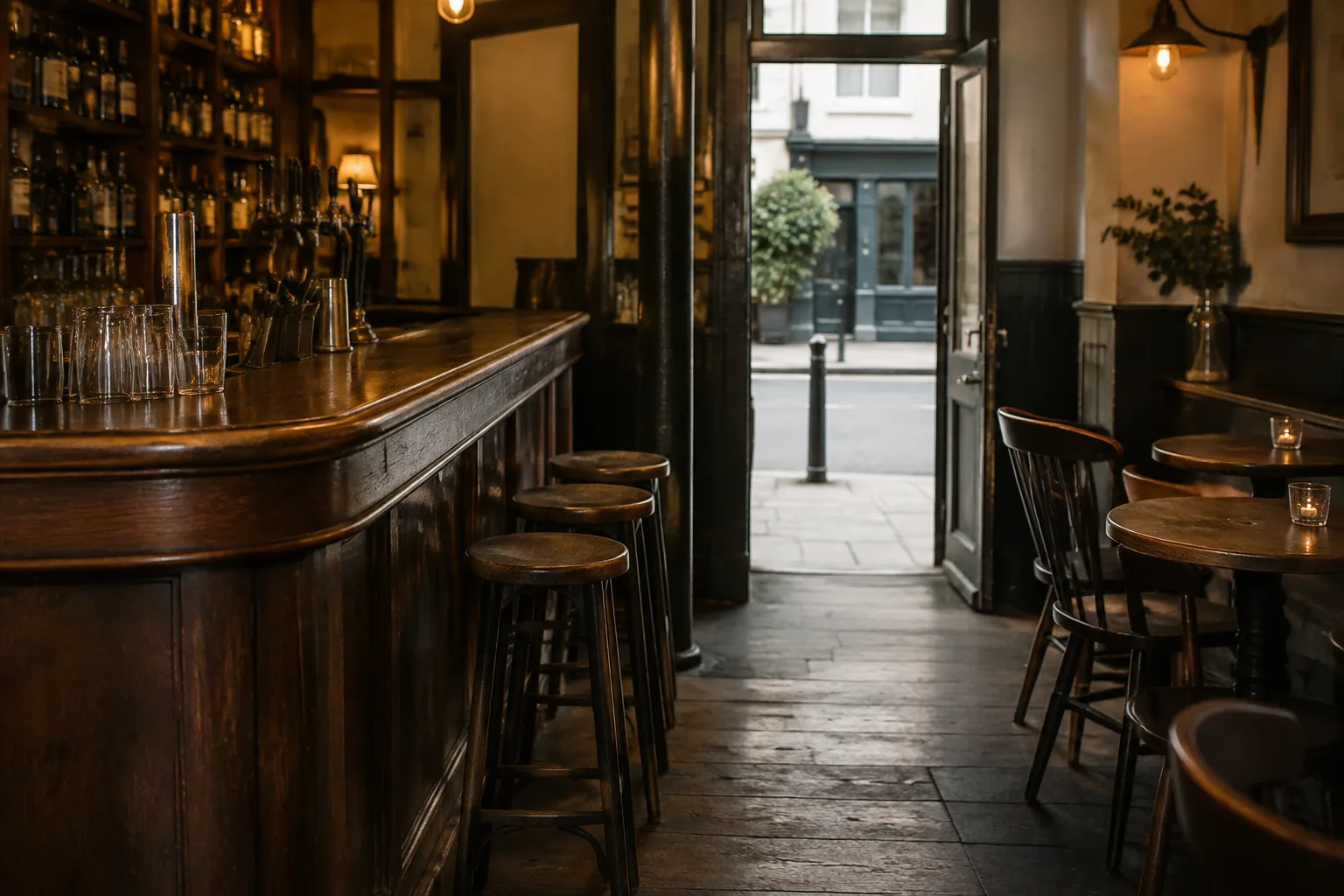
But a pub is more than a backdrop for looking approachable. Our examination of Soho’s argument over standing and drinking addresses another aspect of that space: how people are allowed to use it. Here, the question is cultural rather than regulatory—why should ordering one particular drink carry expectations about how naturally you perform belonging?
What people are saying
On X, Mark Malone framed the footage as Zuckerberg trying to look as though he enjoyed Guinness. Commentator Ed Zitron responded with a joke about abandoning the performance and rejecting the drink outright. These were comic readings of the footage, not statements from Zuckerberg about his preferences.
Reddit supplied a slightly different interpretation. In the r/Sipstea discussion, one user wrote: “Never seen someone try and chew a Guinness.” Another found the apparent discomfort unusually relatable. That split matters: the same physical reaction can be presented as evidence of awkwardness or as a recognisably human moment.
There was also an attempt to turn the episode into numbers. Tyler Cosgrove, who works on the TBPN podcast, posted estimated consumption totals of 1.4 pints for Zuckerberg, 0.8 for Wang and 1.2 for Collison. Those are a viewer’s estimates from the programme, not verified measurements of what each person drank.
Cosgrove had previously estimated that Elon Musk drank three pints during another Cheeky Pint interview, while Collison drank four. We would leave that comparison firmly in the category of internet trivia. Finishing more alcohol is neither a meaningful review of a beer nor an achievement worth setting as a target.
Wang’s unfinished glass is particularly weak evidence of dislike. How much someone drinks during a conversation can reflect pace, attention or simply how much they want. There is no sensible way to isolate taste from a glass level, still less to rank somebody’s comfort in company by it.
The broader attraction is the glimpse of someone outside a polished public role. That interest also sits behind conversations such as Harry Styles and Thom Yorke discussing self-doubt. The important distinction is evidence: people describing their own feelings gives us something firmer than strangers decoding a fleeting expression.
What happens next
The useful test for any follow-up is whether Zuckerberg or Wang actually expresses a preference. Another crop of the same sip would offer a different framing, not necessarily new information. Nor should attention around the footage be mistaken for proof that more people are buying Guinness or changing their drinking habits.
For readers tempted to try the stout, start with expectations rather than ceremony. Anticipate roast, some bitterness and a smooth texture; do not assume that a creamy head means a sweet drink. If you already dislike bitter flavours, there is no obligation to train yourself into liking this one.
Order a half if you want a smaller serving. If you are curious but unsure, ask the bar staff whether a small taste is possible rather than committing to a full pint. A clean glass and properly maintained dispense system matter more to the experience than reproducing anyone’s podcast ritual.
Pay attention to what you actually enjoy: aroma, texture and the flavour that remains after swallowing. The principle is similar to choosing a cologne beyond its sales pitch: your sensory response is more useful than the identity attached to the product. That is a comparison about choosing, emphatically not about tasting fragrance.
Finally, keep the social pressure out of it. An unfinished drink does not require an explanation, and nobody needs to match another person’s pace. We rate a pub culture that leaves room for different tastes, smaller orders and not drinking at all. A good host makes the guest comfortable; the guest need not audition for the glass.
Why this matters
For UK readers, this is a reminder that pub confidence has little to do with ordering the supposedly correct pint. Try a smaller serving if you are curious, ask about the flavour and choose something else if it is not for you. As our look at Soho’s standing-and-drinking debate shows, the pub is a shared social space, not merely somewhere to display a drink. The practical standard worth keeping is hospitality, not a test of taste or drinking stamina.
Common questions
- why is Guinness getting attention online?
- Clips of Mark Zuckerberg drinking Guinness on Cheeky Pint prompted jokes about whether he enjoyed it. He appeared alongside Alexandr Wang and host John Collison.
- does Mark Zuckerberg like Guinness?
- His preference is not established by the circulating clip. Viewers interpreted his expression as dislike, but he also said he brought Collison a keg from Dublin.
- what does Guinness taste like?
- Guinness is an Irish dry stout with roasted flavours and a bitter edge, often compared with coffee or dark chocolate. Those comparisons do not mean it tastes sweet.
- what is the Cheeky Pint podcast?
- Cheeky Pint is John Collison’s interview series, where conversations take place over Guinness. Collison is a cofounder of Stripe.
- what did Zuckerberg and Wang discuss on Cheeky Pint?
- They discussed Meta’s AI ambitions, Muse, spending plans, multimodal AI, privacy and security. Zuckerberg described analysing MMA training footage, while Wang discussed sourcing teas through his agent.
- how much Guinness did Zuckerberg and Wang drink?
- Viewer Tyler Cosgrove estimated 1.4 pints for Zuckerberg and 0.8 for Wang across the episode. These were informal viewing estimates, not verified consumption measurements.
- is Guinness sweet because it looks creamy?
- No: its creamy-looking head does not mean the beer is sweet. Smooth texture can sit alongside roasted flavours and a bitter finish.
Sources
This article was written by The Good Cut using the sources listed above. Product mentions are editorial unless clearly marked as sponsored.