TrendingCulture & Lifestyle
Oasis on Disney+: why the new documentary puts fans first
The reunion documentary arrives on Disney+ with extra footage and a compelling premise: the Gallagher brothers are only part of the story.
By The Good Cut Editorial Team
Published · 6 min read

Quick answerOasis: Don’t Look Back in Anger began streaming exclusively on Disney+ on 9 October 2026, with previously unseen footage. The documentary follows the band’s 2025 reunion tour, giving the audience’s experience a central role.
Timeline
2009
Oasis split shortly before a scheduled performance at a French rock festival.
2025
The band reunited for the tour documented in Don’t Look Back in Anger.
8 October 2026
Reported UK and Irish cinema takings had passed £4 million.
9 October 2026
The documentary arrived exclusively on Disney+ with previously unseen footage.
Oasis’s reunion has reached the living room. Oasis: Don’t Look Back in Anger began streaming exclusively on Disney+ on Friday 9 October, bringing the band’s 2025 tour to subscribers with previously unseen footage. After a cinema run that had already passed £4 million in the UK and Ireland, the release gives fans another route into a comeback that was never just about two brothers sharing a stage.
The interesting decision is where the filmmakers direct their attention. Rather than making the Gallagher feud the main attraction, directors Dylan Southern and Will Lovelace give the crowd a central role. We rate that premise: a reunion’s significance is measured in more than whether its leading men can get through the set together.
What happened
The film runs for more than two hours, and its streaming release draws additional material from footage spanning Cardiff, South Korea and other tour stops. The extras include performances of Half the World Away and D’You Know What I Mean?, giving people who caught it at the cinema a specific reason to investigate the home release.
Disney+ marked the launch with a fan event at Abbey Road Studios earlier in the week. Southern and Lovelace attended alongside Steven Knight, who wrote the documentary’s framing structure and conducted extensive interviews with the band. Liam and Noel Gallagher were not there. This was a conversation about how to tell the reunion story, rather than another appearance by its headline acts.
The theatrical figures establish that the project attracted paying audiences before reaching streaming. Its opening weekend brought in £2.66 million across the UK and Ireland; by 8 October, its total in those markets exceeded £4 million, less than a month after its premiere. Those are cinema receipts, not viewing figures, and they should not be mistaken for evidence of how many subscribers will watch at home.
For anyone deciding how to spend a music budget, the distinction between a concert and a concert film is straightforward. One buys presence in the room; the other offers a recorded experience without the journey or a gig ticket. Our guide to Apple Music Hall’s line-up and ticket options tackles the live side of that equation. Here, the practical question is simply whether the documentary makes an existing subscription more useful, or warrants a new one.
The background
Oasis broke apart in 2009 shortly before a scheduled appearance at a French rock festival. The 2025 reunion therefore followed a 16-year separation, long enough for listeners who were children at the split to become adult ticket-buyers. That gap matters: a comeback crowd cannot automatically be treated as the original audience, just older and wearing better waterproofs.
The band’s place in 1990s British music supplies the familiar context. Oasis formed in Manchester, with Liam as the defining lead voice and Noel as the principal songwriter behind their breakthrough years. Records such as Definitely Maybe and (What’s the Story) Morning Glory? made their music part of the Britpop era’s public soundtrack. Recognition, though, is not quite the same thing as understanding why someone needs to hear a song live.
Knight’s account of his conversations with Noel adds a useful detail. Speaking at the launch, he said the band had been taken aback by the scale of demand for the reunion. He also described interest extending beyond the original fanbase into younger generations. That is an account of the band’s reaction, not a demographic survey, but it explains the creative question behind the film: how had these songs acquired new personal meanings during the years apart?
Our view is that this makes the audience a more revealing subject than another inventory of old arguments. A song first encountered through a parent, a friend or a playlist arrives without the listener having lived through its original release. The same chorus can consequently carry different histories for the people singing it together.
There is a wider British nightlife point here, too. Our reporting on Soho’s vertical-drinking debate considers how people use shared social spaces. Concerts offer another version of that question: what happens when people stop consuming culture separately and gather around it? A ticket admits one person, but the atmosphere is collectively made.
What people are saying
At the Abbey Road event, Southern described the guiding idea in one sharp line: “the most important member of Oasis is the crowd.” That is a filmmaker’s proposition, not an objective ranking of who contributes most. Still, it neatly identifies the documentary’s chosen subject: the relationship between a performance and the people receiving it.
Lovelace explained that the approach became clearer at the tour’s opening show in Cardiff. The production sent camera crews into the audience to get close to fans, including people seeing Oasis for the first time. Rather than treating crowd shots as occasional punctuation between songs, the team looked for individual experiences unfolding away from the stage.
That required more than the directors themselves. Lovelace credited an international group of camera and sound professionals, including Oscar-winning cinematographer Lol Crawley. The distinction is worth making: a stadium audience can look like a single mass from a distance. Finding a particular response within it depends on where crews stand, what they notice and which sound they manage to capture.
Southern also described the emotional strain and satisfaction of the process. He recalled becoming absorbed in small editing decisions, then finding renewed confidence when he watched the finished work with cinema audiences. His account included seeing viewers leave in tears. It is a first-hand observation from a director, rather than proof that every screening produced the same reaction.
Knight, meanwhile, emphasised the similarities he saw in responses across countries and backgrounds. We find that a stronger cultural proposition than the idea that a British band belongs only to the generation or place that first embraced it. Songs travel; their meanings are not controlled at the border. The useful question is what listeners bring to them, rather than who has the oldest ticket stub.
What happens next
For viewers, the immediate next step is choosing how to watch. Allow more than two hours for the documentary, and check how Disney+ presents the additional material rather than assuming every extra sits inside the main feature. If you are subscribing specifically for this release, check the current price, renewal terms and device support before paying. A film night should not become an accidental standing order.
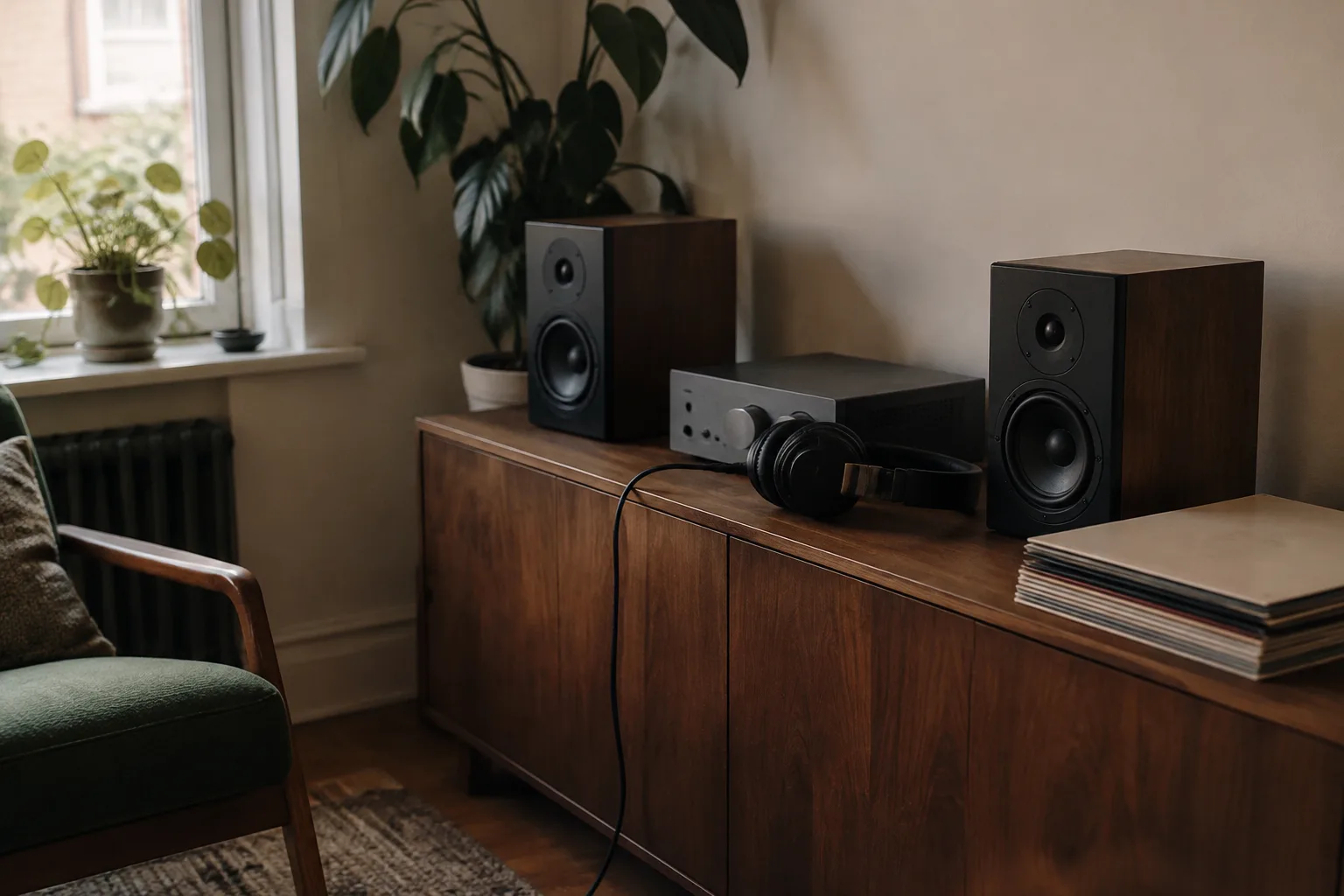
Our suggestion is to give the sound some attention. If you have external speakers, use them at a sensible volume; otherwise, headphones can make a concert documentary easier to follow than thin television audio. Watching with friends also makes sense for a film built around collective responses, although nobody needs to recreate the queue for the toilets.
There is a separate film-world connection through Knight, who is also working on the next James Bond film. That is a shared creative credit, not evidence that Oasis reveal the direction of the next 007. His interest in allegiance or emotional connection may invite interpretation, but it cannot establish a plot, a casting decision or a new Bond personality.
The more useful follow-through is musical. Revisit a full Oasis album rather than letting the streaming service select another familiar single, then leave room for something current. Our ten song picks beyond the obvious for 2026 offer one starting point. Looking back can be a good evening’s entertainment; it need not become the only thing on the playlist.
Why this matters
For UK fans who missed the reunion, a streaming release offers access to its performances without another scramble for concert tickets. For everyone else, the fan-centred approach asks a worthwhile question about what music does outside our headphones. Make an evening of it, but keep some room in the budget and calendar for live music too. Our Apple Music Hall guide is a practical place to explore another night out: nostalgia is more useful when it encourages participation, not just repeat viewing.
Common questions
- where can i watch the Oasis reunion documentary?
- Oasis: Don’t Look Back in Anger is streaming exclusively on Disney+. It arrived on the service on 9 October 2026.
- what is the new Oasis documentary about?
- It follows Oasis’s 2025 reunion tour, focusing on fans as well as the band. The filmmakers explore the personal connections audiences have with the songs.
- does the Oasis documentary on Disney+ have extra footage?
- Yes, the streaming release includes previously unseen footage. The additional material includes performances of Half the World Away and D’You Know What I Mean?
- how long is Oasis: Don’t Look Back in Anger?
- The documentary runs for more than two hours. Allow additional time if you also plan to explore the streaming extras.
- who directed the Oasis reunion documentary?
- Dylan Southern and Will Lovelace directed it. Steven Knight wrote the framing structure and interviewed the band extensively.
- how much did the Oasis documentary make in cinemas?
- It earned £2.66 million on its opening weekend in the UK and Ireland. By 8 October 2026, its total in those markets had passed £4 million.
- were Liam and Noel at the documentary’s Abbey Road event?
- No, neither Liam nor Noel Gallagher attended the Abbey Road launch event. Directors Dylan Southern and Will Lovelace appeared alongside writer Steven Knight.
Sources
This article was written by The Good Cut using the sources listed above. Product mentions are editorial unless clearly marked as sponsored.