Men's Style
Haider Ackermann at Tom Ford: a sharper, quieter men’s tailoring
Tom Ford’s chief spells out a restrained, shoulder‑first vision of sexiness, sustainability and suits — and what it means for how men dress now.
By The Good Cut Editorial Team
Published · Updated · 6 min read
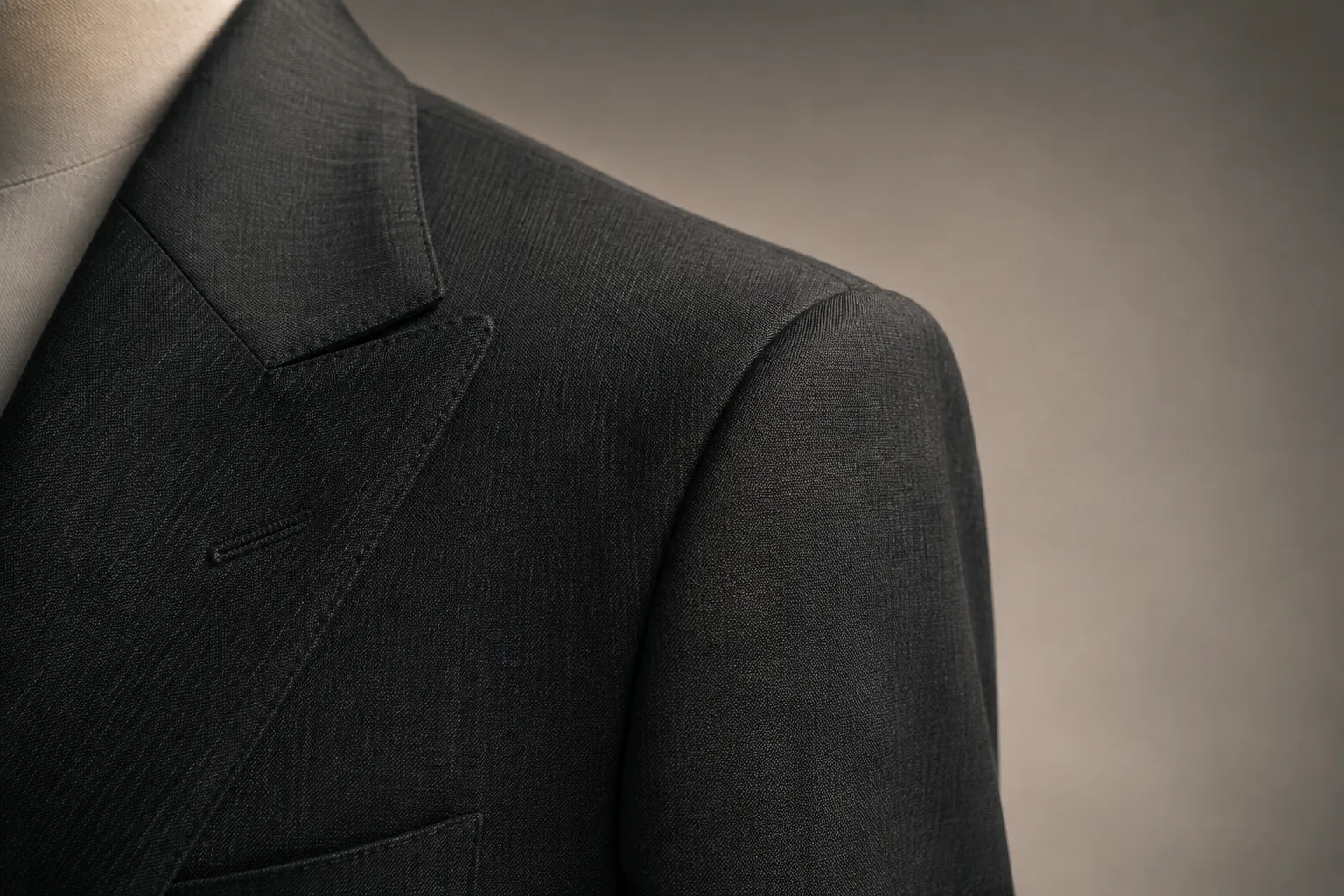
Quick answerTom Ford’s creative director Haider Ackermann is pushing a restrained, shoulder‑first vision of men’s style. Expect focused shows, longevity‑minded pieces and powerfully cut tailoring rather than spectacle.
Timeline
2023
Tom Ford’s founder departs the brand.
2024
Haider Ackermann becomes creative director at Tom Ford.
2024
Ackermann is also appointed creative director at Canada Goose.
2026
He outlines his men’s vision in a new interview.
Haider Ackermann has used a rare interview to set out a clear, quietly confident direction for Tom Ford menswear: let the shoulder lead, keep the volume down, and make clothes worth living with for years. It’s a blueprint that swaps fireworks for focus — and it suits the moment.
Crucially, it’s not nostalgia. It’s an edit. Ackermann’s message is that modern sexiness isn’t about shouting but about precision: how a jacket sits, how trousers fall, and how a man carries himself in both. For those of us who love strong tailoring and don’t need the logo megaphone, this is welcome news.
What happened
Ackermann, two years into the top job at Tom Ford, emphasised that the house for men begins with structure — especially the line of the shoulder and the authority a suit confers. He spoke about clothing as a confidence tool, describing how a suit helps a shy person straighten up and enter a room with poise.
He also put a marker down on sex appeal, arguing that power comes from control and understatement, not volume. As he told Esquire UK, “Genuine sexiness comes through seduction, through restraint.” That sets a tone: lustre over flash, silhouette over spectacle.
Continuity is the plan, not churn. He wants the brand steady rather than shouty — fewer giant set‑pieces, more clarity of message, and clothes that hold their ground over time. It’s a stance that suggests the runway will serve the wardrobe, not the other way around.
On sustainability, he said the team keeps shoots local where possible and prefers simple show spaces that put garments first. That’s a deliberate departure from the travelling circus mindset — and it aligns with his point about emotional attachment and longevity outlasting hype cycles.
He was candid about fashion’s pace, calling today’s output expectations extraordinary and not always conducive to deep thinking. Yet he acknowledged the paradox: the tempo keeps him alert, so the trick is finding the oxygen of time without losing momentum.
Ackermann also flagged how little he courts social media, arguing that constant noise stifles ideas. Quiet is the ingredient he seeks, because images that flash by don’t settle inside you. It’s a reminder that the best design work often starts offline.
On technology, he treated AI as a helper, not a replacement. Useful for research and speed, yes; a stand‑in for emotion, no. In other words, the machine can fetch references but the human sets the heartbeat.
The background
Ackermann didn’t inherit an empty brand. Tom Ford’s menswear DNA is potent: exacting suits, sultry eveningwear and a kind of dressed‑up confidence that defined the 2000s. His task is evolution, not mimicry, so he immersed in the founder’s films and interviews to refine what to carry forward and what to reframe.
Timeline matters here. The founder exited in 2023; Ackermann has now spent two years bedding in his own language at Tom Ford while also taking up the creative director role at Canada Goose in 2024. The pairing underscores a designer equally comfortable with precision tailoring and pared‑back outerwear.
Long before Tom Ford, he proved he could reboot house codes at Berluti, shifting it from quiet shoemaker to runway force. That experience shows in his current approach: respect for heritage, then a careful push toward a cleaner future rather than a hard left turn.
For British wardrobes, the emphasis on shoulder and restraint dovetails with our return to grown‑up dressing. Heritage textures and properly cut jackets are back on the agenda — a mood we’ve charted in Rivals is reviving British heritage menswear — here’s how to wear it. Ackermann’s stance gives that trend a sharper, evening‑ready edge.
There’s also a practical read: if the shoulder is the anchor, the rest follows. That means paying attention to chest shape, sleeve head and how the jacket closes. It pushes you toward tailoring that does the heavy lifting and away from outfits built on shouty accessories.
Under the jacket, simplicity rules. A crisp knit or quality tee will do more for the silhouette than an over‑designed shirt — see our picks in Best white T‑shirts for men: the 2026 buying guide. The point is to keep texture and proportion working, not competing.
Outerwear fits the brief too. A leather jacket with clean lines and a decisive upper‑body shape gives similar presence off‑duty, which is why we still rate the classics in Men’s leather jackets: the styles to know and how to pick. Structure up top, ease below, remains a winning formula.
What people are saying
While the interview stands on its own, the wider menswear consensus has been tilting in this direction for a while: confidence without brashness, tailoring that feels powerful but not costume‑y, and wardrobes that earn their keep long after the season changes. Ackermann’s comments crystallise that drift.
We rate this pivot to restraint because it’s wearable. Start with a jacket that has presence — a defined shoulder, a little chest, a nipped waist — then relax the trouser slightly so the line feels modern. Two‑button, wider notch or peaked lapels, and a 4–5cm cuff all track with the mood.
Colour‑wise, deep navy, ink black and dark chocolate do the heavy lifting, with a midnight shawl‑collar dinner jacket in reserve for nights that matter. Gloss should be strategic: kid‑leather belt, patent cap‑toe, or a narrow silk scarf — never all three.
Fabric makes the difference. Mid‑weight wool with a touch of body will hold that shoulder line without feeling armour‑plated, and a brushed flannel or high‑twist wool works year‑round in the UK. If you wear denim, keep it dark and straight — a silhouette we explain in Men’s jeans fits: the six styles that actually work now.
Grooming supports the silhouette. A neat neckline and a tidy taper keep the jacket doing the talking — overly high volume on top can fight a strong shoulder. Our Taper haircut guide 2026 covers where to keep weight and how to finish without crunch.
If you want the feel without the full suit, split it. A structured blazer over fluid pleated trousers or dark jeans gives the same controlled energy. The trick is contrast: clarity up top, ease below. Minimal jewellery and a slim belt keep the line uninterrupted.
What happens next
Expect Tom Ford’s menswear to stay on this steadier course: fewer travelling extravaganzas, more attention on clothes that deliver posture and presence. That should mean sharper ready‑to‑wear jackets, well‑cut evening pieces and accessories that complement rather than dominate.
If sustainability measures like local shoots and simple sets stick, the runway language will likely feel closer to the clothes you actually buy. That connection usually breeds better product decisions — trims that last, fabrics that age well, and silhouettes that still feel right three winters on.
For shoppers, the signal is clear: prioritise the block, not the badge. Try jackets by shoulder and chest first, then choose cloth. When a blazer immediately changes how you stand, you’ve found the cut Ackermann is championing — the rest of the outfit should quietly follow.
His view on social media and AI also hints at slower, more considered storytelling. You’ll probably see fewer viral gimmicks and more old‑fashioned craft foregrounded. For anyone building an adult wardrobe, that’s the best kind of progress: less noise, better clothes, longer runs in your rotation.
Related: Best navy suits for men 2026: fabrics, fits and prices
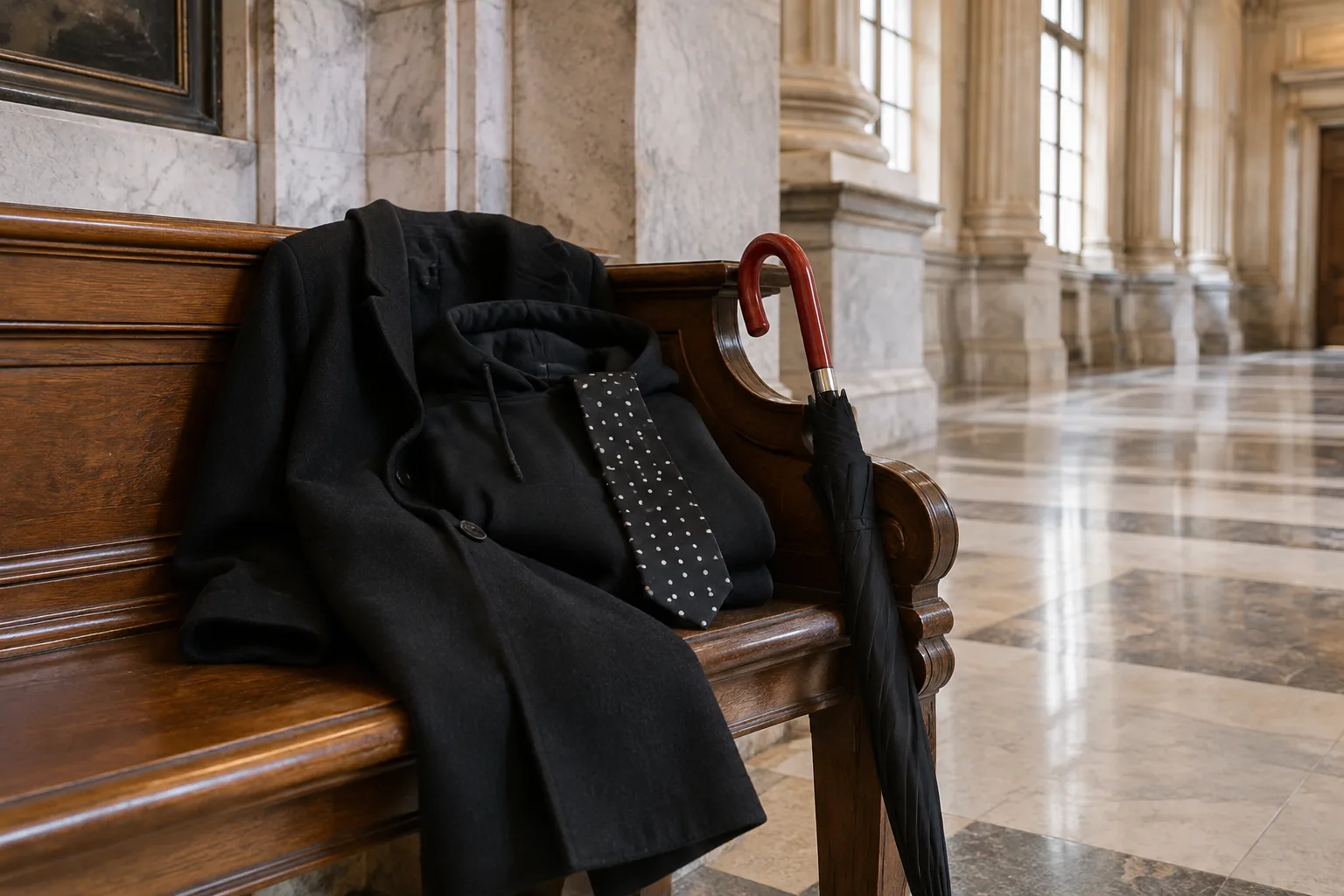
Related: Bob Dylan’s Pope meeting outfit: hoodie, coat, polka‑dot tie
Why this matters
A shoulder‑first, restrained take on menswear is tailor‑made for the UK, where suits still earn their keep at work and weddings. Ask your tailor for defined shoulders, a shaped chest and a clean waist; pair with relaxed trousers and simple layers. If you’re keeping the sides tidy, our taper haircut guide shows how to finish without fighting the jacket’s line.
Common questions
- who is haider ackermann at tom ford?
- He is Tom Ford’s creative director and has held the role for two years, shaping the brand’s current menswear direction toward structured tailoring and restraint.
- what did haider ackermann say about sexiness in menswear?
- He said sexiness comes from seduction and restraint rather than spectacle, pointing to precision tailoring and controlled silhouettes as the route to confidence.
- what is the focus of tom ford menswear under haider ackermann?
- He emphasises suits with strong shoulders, continuity over hype, and shows or shoots scaled to highlight the clothes rather than the set.
- does haider ackermann use social media much?
- He keeps social media use low, preferring quiet to think and work, arguing that constant online noise can blunt creative focus.
- what did haider ackermann say about ai in fashion?
- He called AI a useful tool for speed and research but said it cannot replace human emotion or the vulnerability that drives real creativity.
- is haider ackermann also creative director at canada goose?
- Yes. He was appointed creative director of Canada Goose in 2024 alongside his role at Tom Ford.
- how long has haider ackermann led tom ford?
- Two years. He took the creative director role after the founder’s 2023 departure and has been shaping the house since.
- will tom ford stage big fashion shows under haider ackermann?
- He favours focus over spectacle, saying the brand doesn’t need giant shows and prefers simpler presentations that centre the clothes.
Sources
This article was written by The Good Cut using the sources listed above. Product mentions are editorial unless clearly marked as sponsored.