Haircuts & Hairstyles
Taper haircut guide 2026: what it is and how to wear it
The quiet classic is back on every barber’s menu. Here’s how to ask for a taper, who it suits, and the versions worth trying now.
By The Good Cut Editorial Team
Published · Updated · 6 min read
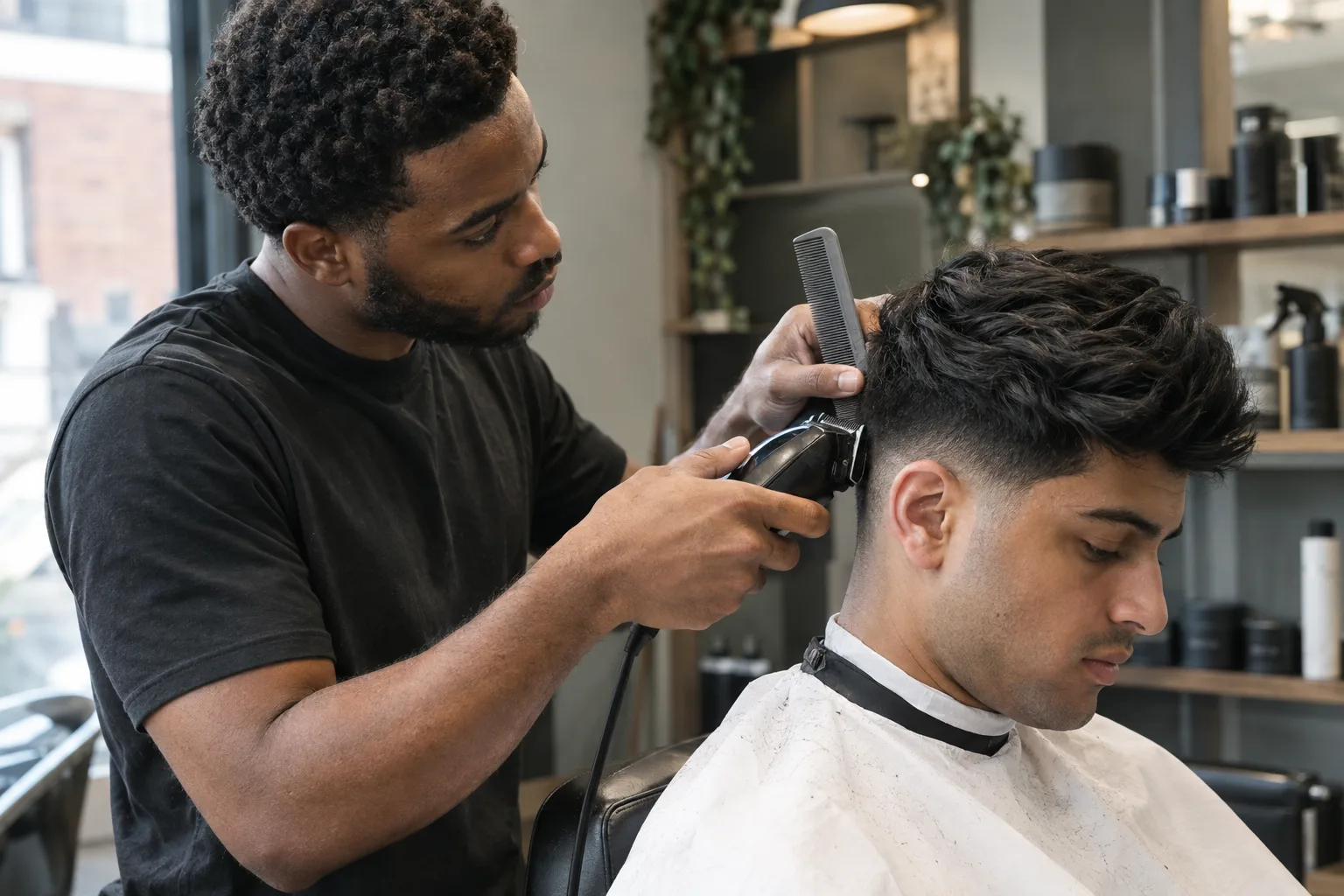
Quick answerA taper haircut keeps more length on top while the back and sides gradually shorten towards the neckline. It’s not a fade: tapers stay hair-tight rather than skin‑bare, and suit most face shapes with minimal daily styling.
The taper haircut is quietly winning 2026. It’s the clean perimeter that makes everything from quiffs to crops look intentional, and it’s showing up in shops from Soho to Salford because it pairs polish with almost no faff.
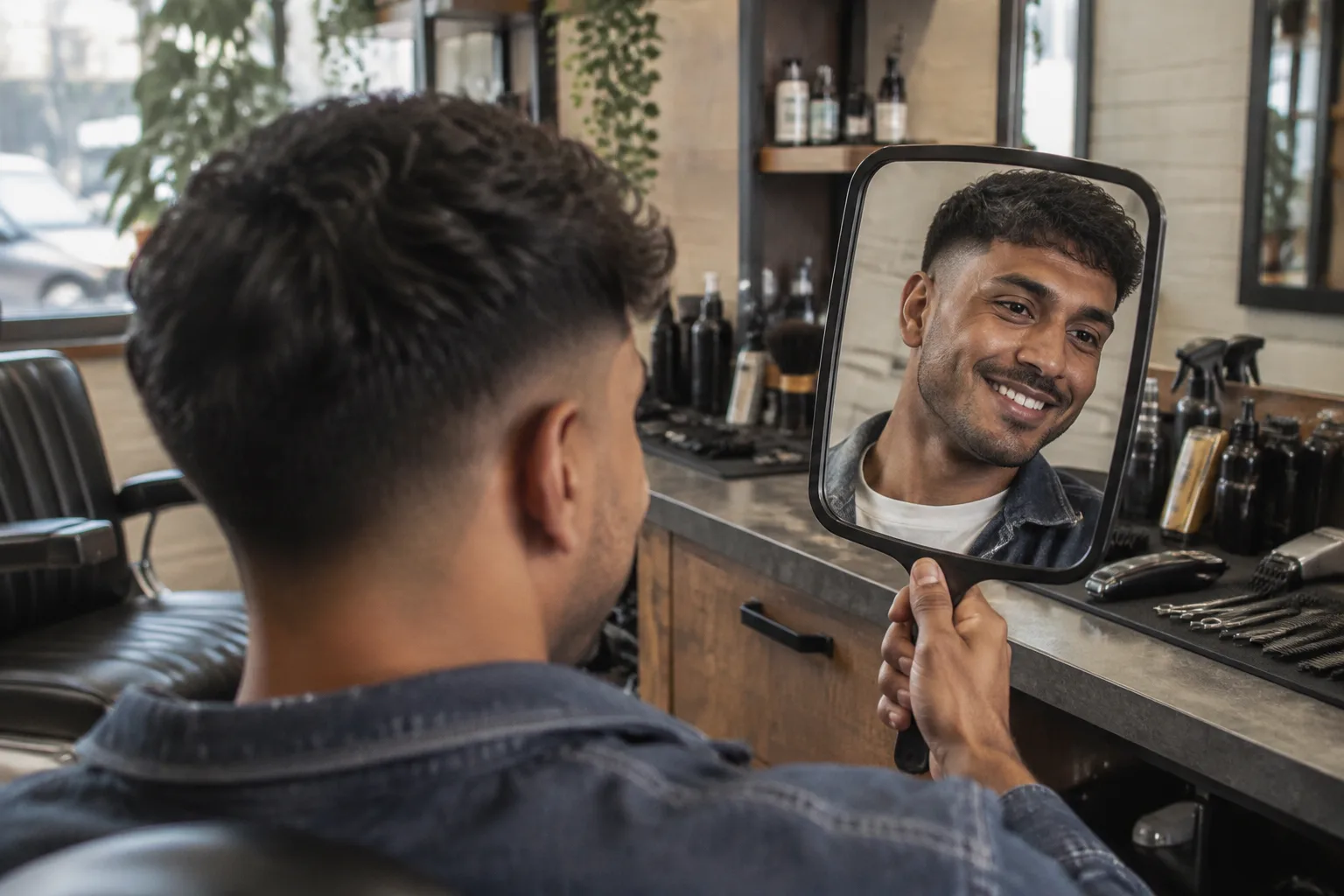
At its simplest, a taper keeps hair on top while the sides and back steadily reduce in length towards the neckline. Crucially, it stays hair‑tight rather than skin‑bare, which is why it reads classic rather than clipper‑extreme and grows out neatly between appointments.
What happened
Barbers are steering clients towards tapers as the default finish: a neat gradient that starts around the ear and travels to the nape, keeping the outline sharp without the stark contrast of a full fade. That makes it a pragmatic choice if you want office‑friendly edges that still play nicely with modern texture.
The current crop of styles leaning on a taper is broad. Think textured quiffs, mid‑length scissor cuts that stay tidy around the ears, classic pompadours with a softer outline, or even wearable takes on the faux hawk. If you like height or movement on top, a taper keeps the sides disciplined so the shape reads balanced. For a punk‑lite option, try our breakdown of the faux hawk haircut.
This is also a maintenance win. Because a taper preserves hair at the perimeter instead of shaving to skin, growth is less obvious. A quick tidy every couple of weeks keeps the neckline and ear area crisp without demanding a full cut, a boon if you’re busy or budgeting.
For product, matte clays and pastes are the workhorses for everyday texture, while traditional pomades bring gloss for more formal shapes. If you’re building a bathroom lineup, see our picks in best hair clay for men.
The background
A taper is not a fade. With a fade, the back and sides are taken down to very short lengths — often to visible scalp at some point — before blending into longer sections. A taper, by contrast, reduces length in a controlled gradient while keeping hair visible throughout the perimeter.
The placement matters. Most barbers begin the taper just above the ear and carry it around to the nape, adjusting guard lengths gradually. That graduation is what delivers the tidy outline that still feels natural rather than razor‑sharp.
Face shape plays a role. Tapers flatter most men by adding a little visual length and definition, especially if you’ve got thicker or wavier hair that benefits from weight removal at the edges. Caution is advised for triangular faces, where extra width at the temples versus the chin can be exaggerated by a tight perimeter.
Your neckline choice changes the vibe. Ask for a natural neckline if you like softer edges that grow out discreetly, or a sculpted/boxed neckline for a more defined, barbershop‑fresh finish. Both can be tapered; you’re simply deciding how crisp that lower edge looks in the mirror.
Length settings are worth stating. If you don’t want anything near skin, say so. Many men find a taper that lives in the grade 3–4 range around the ears, stepping down incrementally, gives a smart finish while keeping the cut conservative.
There’s a hybrid too: the taper‑fade. This blurs lines between both worlds by taking the very bottom — around the ear and neckline — closer to skin while keeping more hair higher up. It’s a neat middle ground if you want extra sharpness without committing to a full fade.
Tapers play nicely with texture. Wavy and curly hair gets cleaner edges while the top keeps its movement; a spritz of sea‑salt or a touch of matte product will do. If you’re into curl inspiration, our look at Timothée Chalamet’s hair returning to loose curls shows how shape on top benefits from tidy sides.
If sheen is your thing, pomade is still the finisher of choice for classic shapes such as a pompadour or slick‑back. Footballers and actors have long leaned on that combination of gloss up top with a gentle taper at the edges; for modern grooming cues, see how Beckham leans into neat finishes in our piece on his recent look from NYC.
For mid‑length scissor cuts, a taper prevents the back and sides from draping over the ears while keeping the haircut softer above the temple. It’s a simple tweak that turns a shaggy outline into something that reads smart without losing the flow.
What people are saying
Senior barbers consistently view the taper as foundational to good shape and grow‑out. As Murdock London’s Dan Glass puts it, it’s “a feature of every good haircut.”
Pros also draw a bright line between client expectations: ask for a taper if you want neatness without scalp exposure, and a fade if you’re chasing ultra‑close gradients and high contrast. Making that language clear in the chair avoids the all‑too‑common “I asked for a taper and got a skin fade” scenario.
Consultation notes matter. Barbers recommend stating the shortest length you’re comfortable with on the perimeter, plus whether you prefer a natural or sculpted neckline. That single sentence locks in 90% of the finish before the first clipper touch.
On suitability, barbers point out that dense or wavy hair benefits hugely from a taper because it removes bulk where it tends to puff out: around the ears and at the nape. The result is a head shape that looks sharper without compressing the top flat.
Daily styling is intentionally light. Because a taper lives in clipper territory at the edges, you don’t need to wrestle it each morning. Work the top with a fingertip of matte clay for texture, or switch to pomade for shine when the dress code tightens. If you like playful height and grip, our pomade‑friendly Paul Mescal breakdown shows why a neat perimeter keeps bolder styling wearable.
A final maintenance note from the chair: quick perimeter clean‑ups keep tapers looking sharper, longer. Pencilling in a two‑week tidy avoids the fuzzy neckline that makes good haircuts look tired.
What happens next
If you’re booking in, lead with outcomes: “I want to keep length on top, taper the sides and back so it’s tidy around the ears and nape, not down to skin.” Then specify your neckline preference — natural for softer grow‑out, sculpted for crispness — and agree the shortest guard number.
Pick a version that suits your routine. If you want minimal styling, ask for a mid‑length scissor cut with a gentle taper so hair sits cleanly without daily product. If you’re into height, request a high taper to blend neatly into a textured quiff. For classic shine, pair a taper with a pompadour and use a small amount of pomade.
If you’re fade‑curious but not ready for scalp on show, try a taper‑fade: the bottom centimetre can be taken closer while leaving more length above, which keeps the overall look softer.
Plan your upkeep as you would your gym sessions. A quick line‑out every couple of weeks keeps the shape ticking over, with a full cut as needed when the top needs attention. That cadence gives you a consistently sharp outline without living in the chair.
Finally, match product to hair type. Fine hair likes lightweight creams or salt sprays for lift without collapse; thick hair prefers clays and pastes for control; curls often need a touch of cream for definition before you set the outline with the taper. For more product guidance, our best hair clay guide sorts options by hair type.
Related: Tom Hardy haircut: the classic textured cut that suits midlife
Why this matters
The taper is the cut most UK men can wear year‑round without second‑guessing. It’s office‑safe, date‑ready and grows out cleanly, which saves on appointments. Tell your barber the shortest length you want at the edges, choose a natural or sculpted neckline, then style the top with a light clay for texture. If you want bolder shape later, it pairs seamlessly with a wearable faux hawk or a classic pompadour.
Common questions
- what is a taper haircut
- A taper keeps more length on top while the back and sides gradually shorten towards the neckline. It’s a clean, low‑maintenance perimeter that stays hair‑tight rather than skin‑bare.
- what is the difference between a taper and a fade
- A fade usually takes the back and sides to very short lengths, often exposing scalp. A taper keeps hair visible while reducing length in a smooth gradient.
- who suits a taper haircut
- Most men suit a taper, especially those with thick or wavy hair that needs edge control. Caution for triangular faces, where tight sides can emphasise width at the temples.
- how often should i maintain a taper haircut
- Book a quick tidy every couple of weeks to keep the neckline and area around the ears sharp. Full cuts can be spaced further apart as the top grows.
- what should i ask my barber for a taper
- Explain you want length on top, with the sides and back tapered neatly, not down to skin. State the shortest guard number and choose natural or sculpted neckline.
- does a taper haircut need much styling
- Not much. Use a fingertip of matte clay for everyday texture, or a touch of pomade for shine. The tapered edges themselves don’t require daily work.
- can i get a taper with a quiff or pompadour
- Yes. A taper keeps the sides tidy so height on top looks balanced. For extra sharpness without a full fade, ask for a subtle taper‑fade around the ears and nape.
- is a taper good for wavy or curly hair
- Yes. It removes bulk at the edges and frames the top, letting your texture sit better. Use light cream or salt spray to define curls without heaviness.
Sources
This article was written by The Good Cut using the sources listed above. Product mentions are editorial unless clearly marked as sponsored.