Grooming & Skincare
Soap for men’s private parts: do you need a special wash?
Brands are pushing “down‑there” soaps. Here’s what actually works, what to avoid, and how to stay fresh without upsetting your skin.
By The Good Cut Editorial Team
Published · Updated · 5 min read
Quick answerYou don’t need a separate “intimate wash”. A gentle, fragrance‑free, pH‑balanced body wash or soap‑free cleanser is generally safest for men’s private parts. Avoid scrubs and heavy fragrance, rinse well and pat dry.
Men’s “down‑there” soaps are having a moment, with shelves and search results full of products promising to keep the groin pristine. The reality is simpler: most men don’t need a separate intimate wash at all — just the right type of everyday cleanser and a smarter routine.
That’s the grooming story worth caring about. Skin in the genital area is thinner and easier to upset. Choose your wash well and it stays calm; get it wrong and you’ll chase irritation, odour and over‑washing in circles.
What happened
Guides and product round‑ups this year have spotlighted soaps and washes marketed specifically for men’s private parts. The common thread isn’t the branding; it’s the advice to go gentle — fewer perfumes, fewer harsh detergents, and more skin‑soothing ingredients.
Testing features have also put regular body washes back in the frame, noting they can clean effectively without stripping skin. In 2026, one major men’s title reported that sensitive‑leaning body washes left testers clean yet not dry, crediting milder surfactants and moisturisers. That’s aligned with what dermatology has pushed for years.
Our view is straightforward: you don’t need two products for the same job. A fragrance‑free, pH‑balanced gel or soap‑free bar is usually the best option for the groin — and the rest of you. If you love scent, keep it for your fragrance wardrobe; your wash doesn’t need to carry that weight. If you’re building that wardrobe, our guide to oil‑based colognes explains why subtler application lasts longer anyway.
What to use — and what to skip
Look for the words pH‑balanced, gentle, or soap‑free (syndet) on the label. Humectants such as glycerin and moisturisers like shea butter or ceramides help comfort thinner skin. Aloe vera can soothe if you’re prone to chafing.
Skip gritty body bars and scrubs on the genitals. Physical exfoliants can create micro‑irritation that makes odour worse, not better. Menthol, eucalyptus and strong essential oil blends are common irritants here; they feel “fresh” but often backfire.
If you’re planning on a strong daily scent, choose an unscented or lightly scented wash to avoid clashes. For the fun stuff that actually lasts, see our take on nostalgic men’s fragrances making a comeback.
The background
Genital skin barrier function is more easily disrupted than, say, your forearms. Traditional soap bars are alkaline, which can raise skin pH and increase dryness; modern body washes tend to use milder, pH‑friendlier surfactants. That’s why sensitive‑leaning gels usually get the nod for delicate areas.
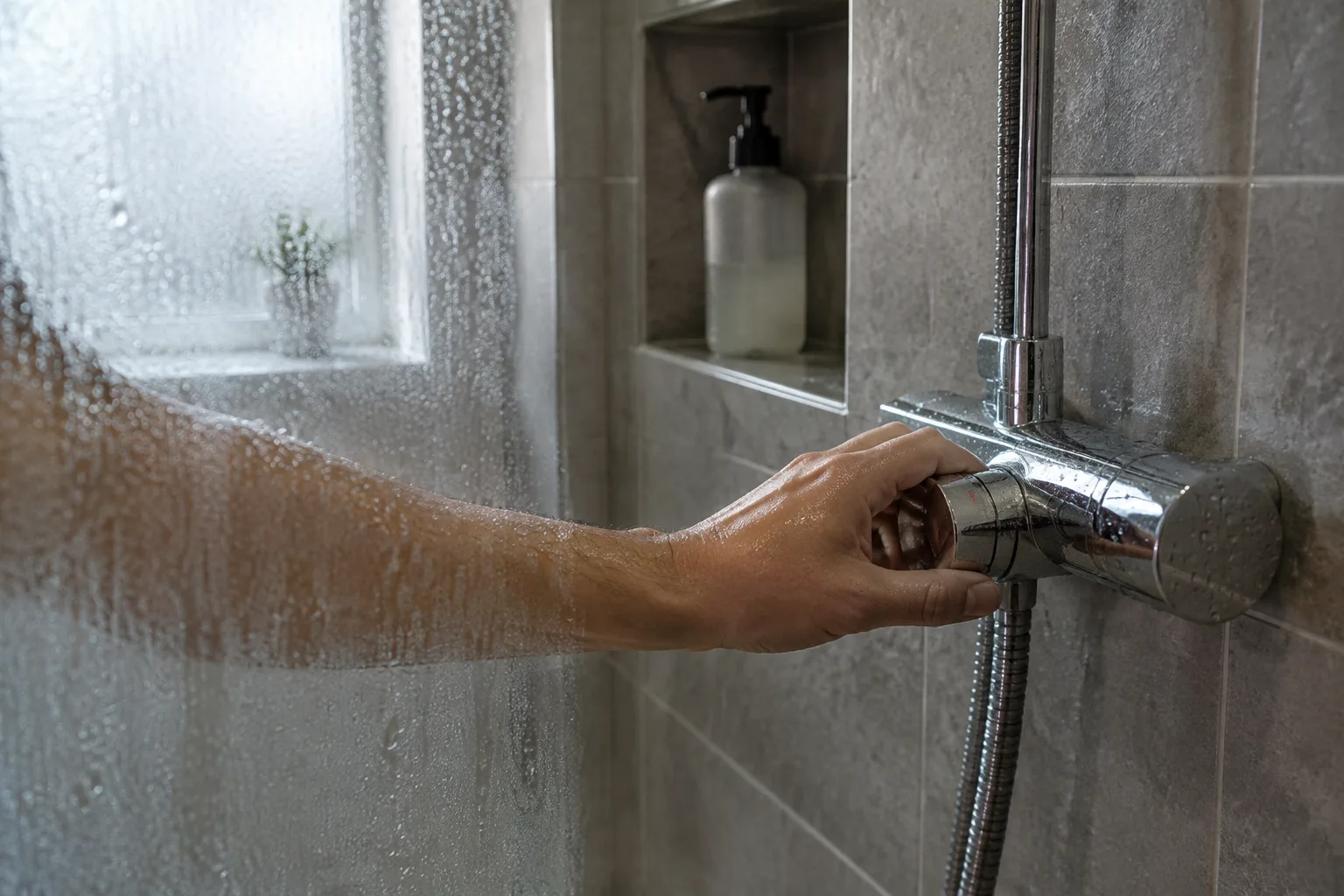
Water temperature matters. Hot showers lift oils faster and can sting if you’re already irritated. Lukewarm is your friend; rinse thoroughly to remove residue that can itch later.
Hygiene habits make more difference than branding. Wash once daily, or twice on heavy‑sweat days, and always after sport. Change into dry underwear promptly; damp fabric breeds odour. Breathable cotton or technical moisture‑wicking pants help more than any “odour‑banishing” slogan.
Foreskin needs basic attention, not special products. If you’re uncircumcised, gently retract in the shower, rinse with water, use a small amount of gentle cleanser if you choose, and rinse thoroughly before replacing. Over‑zealous scrubbing causes more issues than it solves.
Antibacterial washes aren’t necessary for routine use. They’re designed for specific scenarios; daily use can disrupt your microbiome and irritate skin. If you’re dealing with recurrent itching, rash or discharge, a GP visit beats another bottle of “ultra‑cleanse”.
Talcum powders and aggressive “ball sprays” aren’t a fix for sweat. They can cake, clog and irritate. If odour worries you, trim body hair to reduce trapped sweat and wash after workouts. For broader sweat‑management tactics and science‑first grooming, our explainer on electric toothbrushes and why dentists prefer them shows the kind of evidence we rate across routines.
What people are saying
Marketing for men’s intimate washes leans on feelings — “cooling”, “energising”, “extra‑fresh”. Those sensations often come from fragrance or menthol, both common irritants on thinner skin. We rate formulas that get the basics right: mild surfactants, added humectants, minimal perfume.
Editors who’ve tested mainstream body washes in 2026 highlighted that many newer formulas cleanse without leaving skin tight or ashy, especially those pitched at sensitive skin. That mirrors clinical guidance: gentler surfactants plus moisturisers tend to cause fewer problems in delicate zones than classic alkaline soaps.
Shoppers with sensitive skin report fewer flare‑ups when they switch to fragrance‑free or very lightly scented products. The logic is simple — fewer potential allergens, less drama. If you love scent, layer it with a proper fragrance; our guide to pheromone colognes and the actual science cuts through the noise on what’s worth wearing.
Dermatology clinics commonly advise against scrubs or loofahs on the groin. Hands are sufficient. Over‑exfoliation compromises the barrier and invites more stinging from sweat, friction and fragrance.
What happens next
Expect more “intimate” bottles aimed at men, but the smarter move is learning to read the back label. Prioritise pH‑balanced or soap‑free cleansers, fragrance‑free where possible, with glycerin, ceramides or shea butter to offset dryness. Small, boring ingredient lists often behave best below the belt.
Make your routine boring in the best way. Use a small amount on your hands, wash folds and the base of the penis and scrotum, rinse thoroughly, then pat dry — don’t rub. If you’re uncircumcised, clean under the foreskin gently and replace it before drying off. After heavy sweat, repeat quickly rather than relying on sprays or powders.
Match your wash to your day. If you’re wearing a statement scent or heading to a close‑quarters commute, go fragrance‑free in the shower to avoid competing aromas. If you’re going bare, a subtly scented wash on the body — not directly on the genitals — is fine.
Know when to get help. Persistent itching, redness, cuts, pain, a rash that doesn’t clear, or any discharge warrant a GP or sexual health clinic visit. Self‑treating with stronger products usually prolongs the issue.
The bottom line: skip the gimmicks, pick a gentle everyday cleanser, and stick to consistent hygiene habits. Save the artistry for your fragrance shelf — our rundown of men’s fragrances women actually love will do more for your confidence than menthol on thin skin ever could.
Related: Best beard trimmers 2026: what’s new and what we’d buy
Related: Best electric toothbrushes 2026: what to buy and why
Why this matters
Plenty of UK guys are buying “intimate” soaps they don’t need. Save your money: a gentle, fragrance‑free, pH‑balanced body wash or soap‑free bar is usually best for men’s private parts. Keep the groin routine simple, rinse thoroughly, dry well and lean on proper fragrance if you want scent. For scent strategy that lasts, see our guide to oil‑based colognes.
Common questions
- do men need a special soap for private parts
- No. Most men do fine with a gentle, fragrance‑free, pH‑balanced body wash or soap‑free cleanser. Avoid scrubs and strong menthols on thin genital skin.
- is bar soap or body wash better for washing down there
- Body washes typically use milder, pH‑friendlier surfactants than classic bar soaps, so they’re often gentler on the groin. Choose fragrance‑free where possible.
- how often should i wash my private parts
- Once daily is enough for most men, plus after heavy sweating or sport. Rinse thoroughly and pat dry to reduce irritation and odour.
- can i use antibacterial soap on my genitals
- Not for routine cleansing. Antibacterial washes can disrupt the skin barrier and microbiome. See a GP if symptoms persist instead of self‑treating.
- what ingredients should i look for in an intimate wash
- Look for pH‑balanced or soap‑free formulas with glycerin, ceramides, shea butter or aloe. Keep fragrance low or skip it entirely.
- should i use exfoliating soap on my groin
- No. Physical exfoliants and gritty bars can irritate thin genital skin and worsen odour. Use hands only, no loofahs or scrubs.
- how do i reduce odour without strong soaps
- Wash daily, change damp underwear promptly, pick breathable fabrics and trim body hair. Strong fragrance isn’t necessary and often irritates.
- what if i’m uncircumcised — how should i wash
- Gently retract the foreskin in the shower, rinse, use a little mild cleanser if you choose, rinse thoroughly and replace before drying.
Sources
- FashionBeans: 6 Best Soap for Men’s Private Parts – Intimate Wash For 2026 | FashionBeans
- menshealth.com: The 9 Best Body Washes for Men in 2026, Tested by Grooming Editors
- FashionBeans: 10 Best Soaps For Body Odor – Clean Options for Men in 2026 | FashionBeans
This article was written by The Good Cut using the sources listed above. Product mentions are editorial unless clearly marked as sponsored.