TrendingCulture & Lifestyle
James Bond’s New Comic Gives 007 a Different Kind of Reset
Grant Morrison is writing a new 007 comic, with a six-part opening adventure that offers something more interesting than another casting rumour.
By The Good Cut Editorial Team
Published · 6 min read
Quick answerJames Bond is getting a new comic series written by Grant Morrison, opening with a six-part adventure called Sunbreaker. New gadgets, cars and a major villain are promised, but the series title and release date remain unannounced.
James Bond has a new assignment, and this one doesn’t require anyone to win the casting race. Writer Grant Morrison is taking on 007 in a new comic series, beginning with a six-part adventure called Sunbreaker. The announcement brings an actual creative project into focus while the next screen incarnation of Bond remains a subject of speculation.
Morrison’s plans include unfamiliar opponents, new cars and gadgets, and a dangerous world built around deception. Our interest lies in the format as much as the writer: a comic can put Bond somewhere unexpected without first having to settle what the next leading man looks like in a dinner jacket.
What happened
Ian Fleming Publications Ltd has partnered with IDW Publishing on the new James Bond comic, with Morrison attached as writer. Their previous work includes Arkham Asylum, Superman and Green Lantern: a substantial record of handling established characters with large, opinionated audiences.
The distinction between the project and its first story matters. Sunbreaker is the name of the opening six-part adventure, not a confirmed title for the entire comic series. Neither the overall title nor a release date has been announced. For now, there is a writer, an opening story name and a broad creative pitch, rather than a publication date to put in your diary.
Morrison has outlined a Bond who encounters situations and enemies outside his usual experience. The promised ingredients also include intrigue, violence, betrayal and a formidable new antagonist. Those are intentions for the story, not evidence of how the finished pages will read; the difference is worth keeping in mind before declaring any reinvention a triumph.
The other useful boundary is between print and film. This announcement concerns a comic, not the unveiling of the next screen Bond. Jack Lowden has featured in casting speculation, but speculation is not an appointment. Nothing about Morrison’s involvement establishes who will succeed Daniel Craig, and Sunbreaker should be judged as its own undertaking rather than treated as a coded casting announcement.
The background
Bond began on the page. Ian Fleming introduced him in the 1953 novel Casino Royale, before the character became a cinema institution. That makes a new written interpretation more than a side project attached to the films: prose, dialogue and the reader’s imagination were doing the work before a screen actor supplied a face.
Comics add another set of tools. An artist can control the size of a reveal, stretch a confrontation across panels or turn a page into an ambush. A car chase needn’t follow the rhythms of an edited film, and a silent expression can carry information that a novel might place inside a character’s thoughts. Those possibilities are reasons to take the medium seriously, not assurances about this particular series.
Morrison’s experience makes the appointment interesting to us because Bond presents a familiar creative problem: how much can you change before a recognisable character stops feeling like himself? Their work on other long-running figures gives them experience of that tension. It does not tell us which version of 007 will emerge, but it makes the choice of writer more consequential than a famous name on a cover.
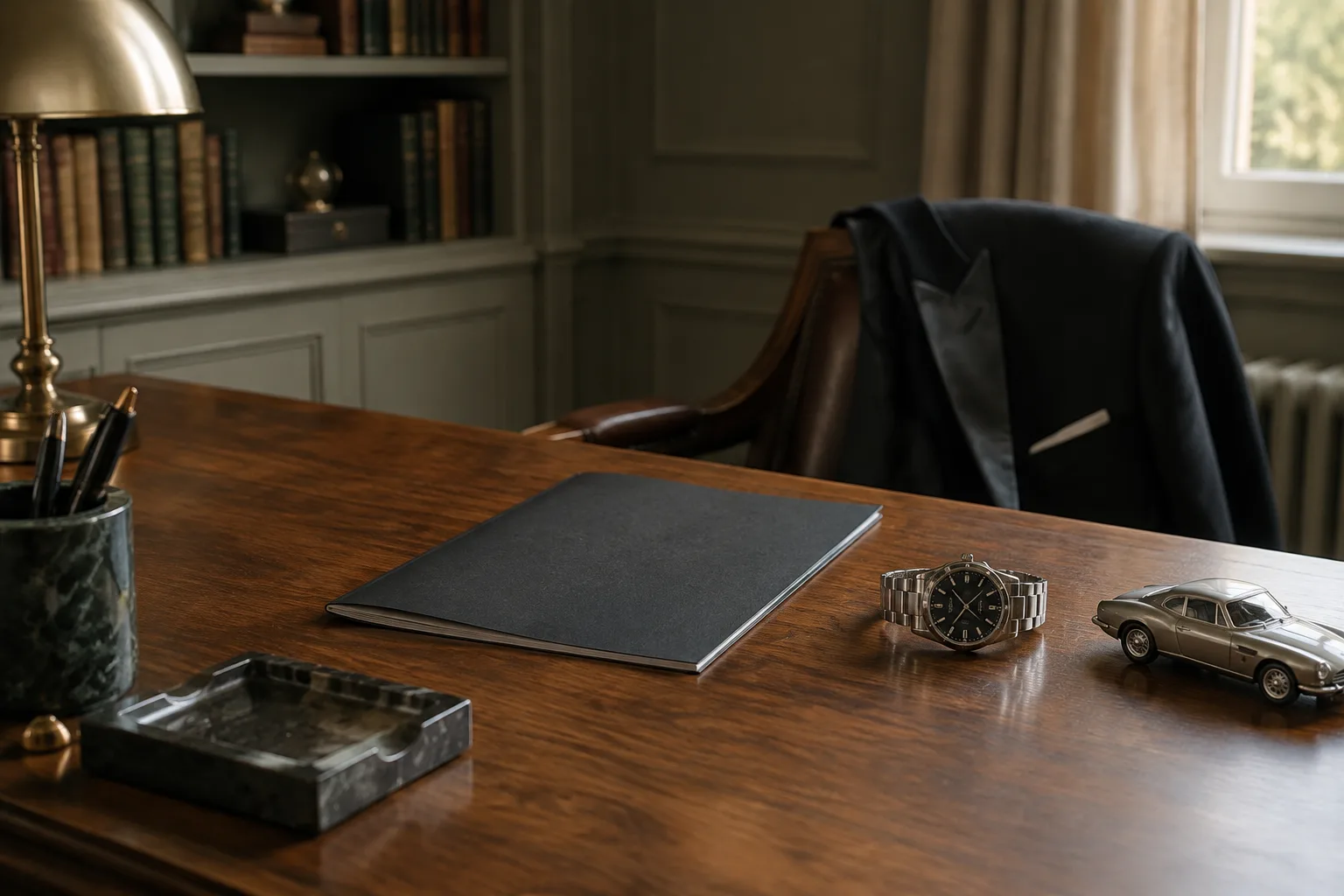
Bond also arrives carrying an unusually crowded wardrobe of cultural signals. Tailoring, cars, watches and drinks can communicate his world before he says anything. Yet recognition can become a trap. Keep repeating the signals without giving them a purpose and the character starts to resemble a luxury shopping list with security clearance.
Our preference is for those details to earn their place. A suit should tell us something about the room Bond expects to enter; a watch should do more than announce its price. The same practical distinction runs through our guide to motorsport watches worth considering away from the track: an association is interesting, but the object still needs to work on its own terms.
What people are saying
The substantive creative pitch comes from Morrison. In their announcement statement, they described a longstanding attachment to Bond and an ambition to deliver a story that retains the character’s appeal while expanding his world. They also placed him alongside other enduring British fictional figures, framing the job as an opportunity to interpret a cultural fixture rather than merely continue a sequence of adventures.
Their proposed setting resembles the contemporary world, but makes its dangers more extreme. Bond is envisaged as forceful, charming and lethal, moving through threats rather than being overwhelmed by them. Morrison also promised “a terrifying new ultimate villain”. That is the largest claim in the pitch, and the one that will need the most convincing execution.
For us, the useful test of a Bond villain is not simply the scale of the threat. It is whether the antagonist forces him to make decisions that reveal something. An opponent can possess extravagant resources and still be dramatically thin. Someone who recognises Bond’s habits, exploits his confidence or makes his usual methods costly offers a more compelling contest.
There is a similar distinction between making Bond unfamiliar and making him unrecognisable. We’d rather see a capable character deprived of an easy answer than a familiar character buried under references to his own history. Morrison’s promise of unusual situations leaves room for the former. Whether the comic takes that route remains an open question, not a conclusion to draw from its announcement.
The cars and gadgets deserve the same scrutiny. We rate a gadget that creates a choice, establishes a limitation or pays off a carefully planted detail. Simply adding more equipment can flatten suspense: if every problem has a convenient device attached, danger becomes an accessories demonstration.
That principle extends to Bond’s visual appeal. Our take on why Claudia’s wardrobe works for men concerns translating an on-screen look rather than treating it as costume. A Bond comic faces a related challenge: clothes can establish character, but impeccable dressing alone cannot supply one. The man inside the jacket still needs to be interesting.
What happens next
The next practical milestone is publication information. A confirmed series title and release date would turn this from an intriguing announcement into something readers can plan to buy. Until then, Sunbreaker is the term to recognise when following the project, with the important caveat that it names the opening adventure.
The visual interpretation will also deserve attention. With a character this familiar, posture, expression and the layout of a room can establish an approach before the plot gets moving. We’ll be looking for images that communicate authority without making every panel a pose. Bond needs to inhabit the world, not merely advertise himself against it.
For anyone newly curious about the character, Casino Royale offers a straightforward starting point: the original novel introduces Fleming’s Bond without requiring knowledge of subsequent films. Reading it is also a useful reminder that a character can feel different across media without every difference becoming a referendum on which version is legitimate.
There is no need to turn that curiosity into a shopping spree, either. As our guide to choosing a cologne beyond the personality pitch argues, personal taste should survive the sales story. Enjoying Bond’s world doesn’t oblige you to purchase its shorthand. The prospect worth following here is a new adventure by an experienced writer, not another opportunity to buy the idea of being 007.
Why this matters
For UK readers, this is a chance to engage with a British cultural fixture beyond the endless business of choosing his next face. Follow the writing and visual choices, then decide whether this Bond earns your attention. If his clothes send you back to your own wardrobe, take the practical lesson rather than the costume: fit and finishing matter more than fictional credentials. Our guide to coat vent tacking stitches is a useful place to start before your next formal outing.
Common questions
- what is the new James Bond comic?
- It is a new James Bond series written by Grant Morrison, beginning with a six-part adventure called Sunbreaker. The overall series title has not been announced.
- who is writing the new James Bond comic?
- Grant Morrison is writing it. Their previous work includes Arkham Asylum, Superman and Green Lantern.
- is Sunbreaker the title of the James Bond series?
- Sunbreaker is the title of the opening six-part adventure, not a confirmed name for the complete series.
- when does the new James Bond comic come out?
- A release date has not been announced. The confirmed details include Morrison’s involvement and the name and length of the opening adventure.
- what has Grant Morrison promised for James Bond?
- Morrison has outlined unfamiliar situations and opponents, new cars and gadgets, and a major new villain. Their pitch centres on a dangerous world of intrigue and deception.
- does the comic announcement reveal the next James Bond actor?
- No, the comic announcement does not establish who will succeed Daniel Craig. Jack Lowden has featured in speculation, but that is not a confirmed casting.
- which book did James Bond first appear in?
- James Bond first appeared in Ian Fleming’s 1953 novel Casino Royale. It provides a starting point for readers interested in the character’s literary origins.
Sources
This article was written by The Good Cut using the sources listed above. Product mentions are editorial unless clearly marked as sponsored.