Grooming & Skincare
How often should you replace your toothbrush? The facts
Dentists say three to four months is the sweet spot — and there are clear signs to swap sooner.
By The Good Cut Editorial Team
Published · Updated · 5 min read
Quick answerDentists recommend replacing your toothbrush — or electric brush head — every three to four months, or sooner if the bristles splay or you’ve been ill. If bristles don’t stand straight, they’re not cleaning properly.
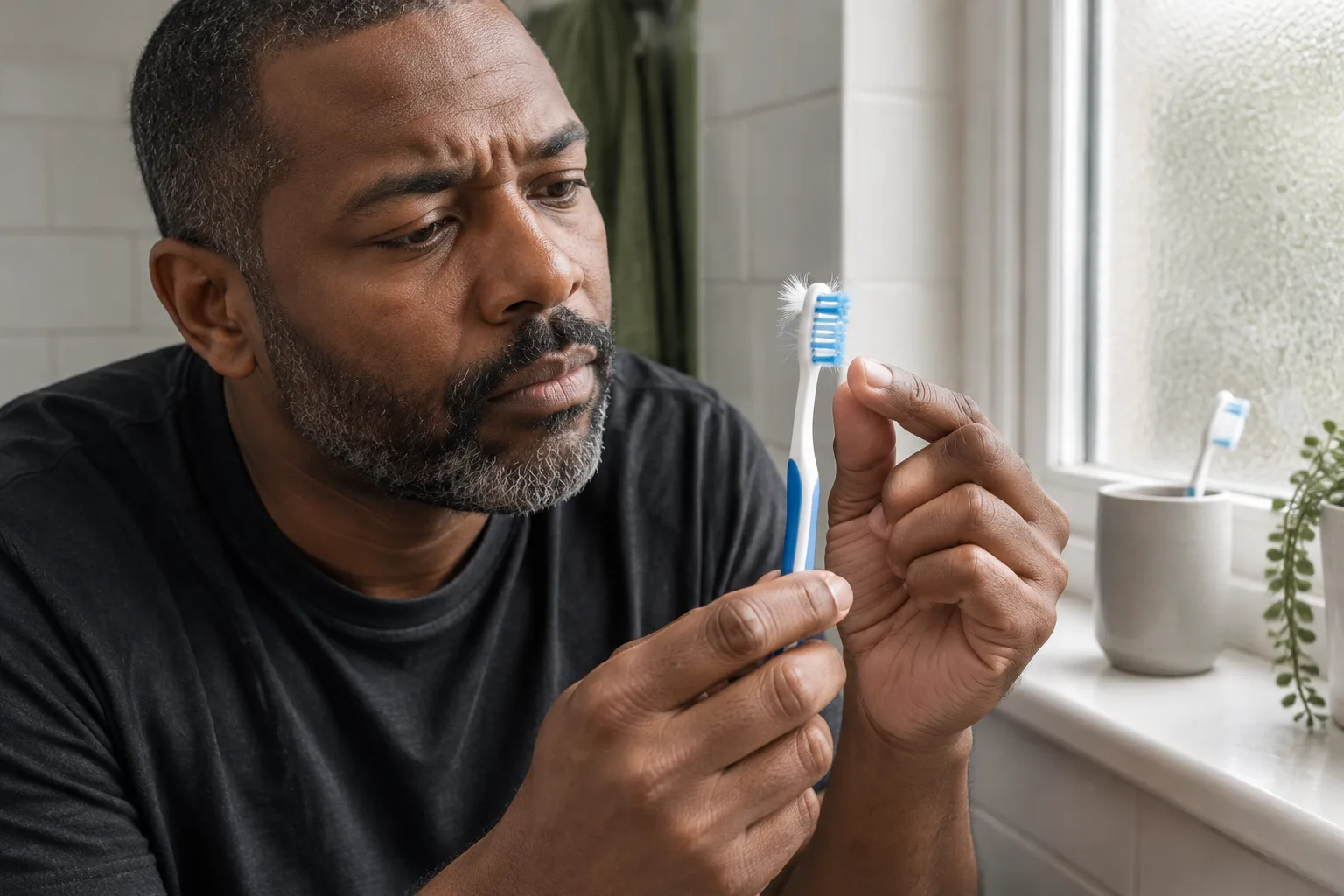
If your toothbrush looks like a tiny palm tree, it’s already past its best. Dentists put the replacement window at three to four months, and sooner if the bristles start to flare. That rule applies equally to manual brushes and electric heads, and it matters more than most of us admit.
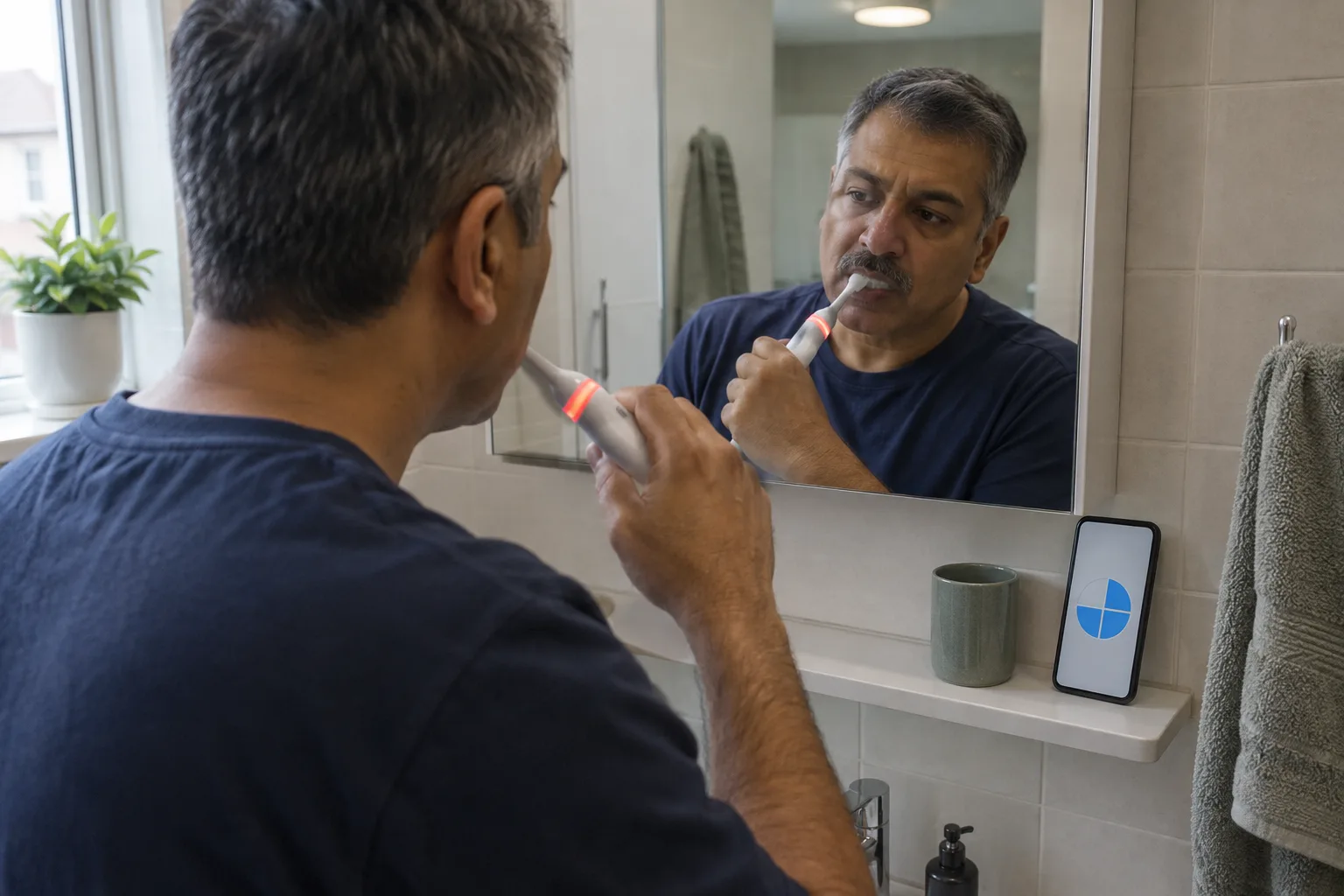
There’s also a small but real performance edge for certain electric models. Evidence shows oscillating‑rotating brushes lift more plaque than a manual — helpful, provided your technique isn’t heavy‑handed. Add in timers and pressure sensors, and the tech can quietly fix the two mistakes nearly everyone makes: rushing and scrubbing too hard.
What happened
-
The core advice is simpler than the marketing might suggest: swap your toothbrush (or electric head) every three to four months. Dentists use that timeline because bristles fatigue with daily use and stop doing the job they’re designed for — reaching the gumline and flicking plaque away.
-
You don’t have to guess. Stand the brush upright and look head‑on: if the outer bristles have started to splay or fan out, efficacy drops. As one endodontist put it, “If bristles no longer stand straight, they’re not doing their job,” Dr W. Craig Noblett told Men’s Health UK.
-
Technique can shorten that lifespan. Brushing forcefully bends and frays bristles faster, and aggressive pressure is the most common error dentists see. Timers and pressure sensors on many electric brushes are built precisely to tackle those habits by pacing two minutes and buzzing when you lean in.
-
On performance, a major evidence review found oscillating‑rotating electric brushes remove around 11% more plaque in the short term and about 21% more over longer use versus manual. That advantage is an addition to good technique, not a substitute; if you’re rushing or scrubbing, the gains shrink.
-
Several situations justify an earlier swap. After a bout of illness, many dentists advise changing the brush or head; while reinfection evidence is limited, your brush is likely due a refresh anyway. If it smells musty, has been nibbled by a pet, or shows colour‑change wear indicators, it’s time.
-
Storage matters. Rinse, shake off excess water, and stand the brush upright to air‑dry. Closed caps at home trap moisture and can encourage bacterial growth; covers are best kept for travel. Some dentists also suggest running hot water over bristles before brushing to soften them and help rinse away residue.
-
Finally, know when brushing isn’t the fix. Lingering sensitivity, pain as you bite, or swelling needs a dental check, not more pressure. Pushing harder won’t solve it and risks making things worse.
The background
Why worn bristles miss the mark
Toothbrushing is about mechanics: reasonably stiff bristles angle into the tiny seam where tooth meets gum and disrupt the biofilm before it hardens. When bristles bend and lose their spring, they skim over that junction instead of reaching under it. Plaque then hardens into tartar within days, pushing you towards bleeding gums, puffiness and the kind of breath that mouthwash can’t mask for long.
Manual vs electric: the real differences
The commonly cited advantage for powered brushes comes mainly from oscillating‑rotating heads — the small round ones that turn back and forth. Sonic brushes can still clean well, but the strongest data applies to those rotating designs. More important than the motor, though, are the built‑in guardrails: a two‑minute timer and a pressure warning fix the two behaviours (rushing and scrubbing) that wear out bristles early and leave plaque behind.
The three-to-four month rule — and when to beat it
The American Dental Association sets guidance at three to four months, assuming twice‑daily brushing. That’s a ceiling, not a minimum. If bristles start to fan, replace sooner. Ditto if you’ve been ill, the brush smells off, or pets have got to it — all signs it’s time to swap.
Care and maintenance that actually helps
Basic housekeeping keeps a brush effective for longer: thoroughly rinse after use; shake to dry; store somewhere with airflow; avoid closed containers on the sink; and use a cover only when traveling. Gentle pressure protects enamel and gums and prevents premature bristle fatigue. A few heads and brushes use colour‑change fibres as a wear indicator; once they fade to halfway, it’s a reliable prompt to replace.
If you’re still deciding where you stand on manual vs powered, our take on the evidence is here: are electric toothbrushes better? Dentists say yes — here’s why. Whichever you pick, brushing all surfaces methodically for two minutes twice a day is the non‑negotiable.
What people are saying
There’s broad agreement among dentists on the cadence and the signs. Dr Pablo Atria stresses that technique and consistency trump hardware — the motor can assist, but it won’t compensate for rushed, patchy brushing. That’s why the combination of smaller round heads, timers and pressure sensors tends to nudge people toward better habits without them thinking about it.
Endodontists caution against assuming pain means “brush harder”. Persistent sensitivity, aching when biting, swelling or throbbing calls for a professional exam. On the flip side, bleeding during brushing is often an early warning of gum inflammation — a sign to improve technique and be consistent, not a cue to scrub.
Practices also flag simple hygiene cues: swap sooner after you’ve been unwell; don’t leave brushes in travel caps at home; and keep them out of reach of pets. Colour‑change bristles, if your brush has them, are designed to take the thinking out of it; when they fade, it’s time.
What happens next
Make the three‑to‑four month swap part of your routine. Set a calendar reminder, buy heads in multi‑packs, or use a repeat order to avoid the last‑minute scramble. If you’re switching to electric, prioritise an oscillating‑rotating head, a two‑minute timer and a pressure sensor; the motor is nice, but those two helpers correct the biggest everyday errors. For the evidence case, we’ve laid it out here: are electric toothbrushes better? Dentists say yes — here’s why.
Day to day, check your bristles head‑on once a week, go light on pressure, and let the brush do the work. Rinse well, shake dry, stand it up, and leave it uncovered between uses. Travelling? Cap it only while you’re on the move, then let it air out at your destination. And if anything hurts, don’t double down — book the dentist. The simplest fix in grooming is often just a fresh brush and a calmer hand.
Related: Movember: why interest is spiking and what it funds
Related: Soap for men’s private parts: do you need a special wash?
Why this matters
Good oral care is part of looking put‑together. The three‑to‑four month swap keeps plaque in check, your gums happy and breath fresher — and it’s one of the cheapest upgrades in grooming. If you’re weighing up a powered brush, start with a timer and pressure sensor; our evidence‑led view is here: are electric toothbrushes better? Dentists say yes — here’s why.
Common questions
- how often should you replace your toothbrush
- Every three to four months is the standard, or sooner if the bristles splay, smell odd, or you’ve been ill.
- do electric toothbrush heads need replacing as often
- Yes. Electric heads follow the same three to four month schedule, with earlier replacement if bristles flare or look worn.
- how do i know my toothbrush is worn out
- Check the bristles head‑on. If they’re fanning out or no longer stand straight, the brush isn’t cleaning effectively.
- should i replace my toothbrush after being sick
- Many dentists advise it. Reinfection risk may be low, but your brush is often due a refresh anyway.
- is an electric toothbrush better than a manual one
- Oscillating‑rotating electrics remove modestly more plaque overall, especially with timers and pressure sensors. Good technique still matters most.
- how should i store my toothbrush at home
- Rinse, shake to dry, and stand it upright and uncovered so it can air‑dry. Avoid closed caps on the bathroom counter.
- do i need a travel cap for my toothbrush
- Use a cap for travel only. At home, leave the head uncovered so moisture doesn’t get trapped.
- what if my gums bleed when i brush
- That can signal gum inflammation. Don’t scrub harder; improve technique, be consistent, and see a dentist if it persists.
Sources
- Men's Health UK: How Often to Replace Your Toothbrush, According to Dentists
- medcitydental.com: How Often Should You Really Replace Your Toothbrush? | Rochester Dentist Education
This article was written by The Good Cut using the sources listed above. Product mentions are editorial unless clearly marked as sponsored.