TrendingCulture & Lifestyle
Movember: why interest is spiking and what it funds
Searches for Movember have leapt this week. Here’s what the moustache month supports — and how to start smart.
By The Good Cut Editorial Team
Published · Updated · 6 min read

Quick answerInterest in Movember has jumped this week. The charity backs men’s mental health and suicide prevention, prostate cancer and testicular cancer, funding resources like True North and Nuts & Bolts.
Public curiosity about Movember is already rising: the charity’s Wikipedia reference page drew 925 views on 28 October, roughly 72% above a typical day. With November days away and moustaches about to sprout on faces across Britain, it’s a timely nudge to ask what the movement funds — and how to take part well.
Movember remains one of the few health campaigns that men visibly wear. But the ’tache is just the hook. The organisation says it backs practical projects across men’s mental health and suicide prevention, and cancers that disproportionately hit men, notably prostate and testicular. Here’s what’s happening this year, what’s behind it, and how to grow a respectable lip sweater without losing the plot by week two.
What happened
Movember has set out a broader strategy than simply listing diseases. The charity frames men’s health as a combination of behaviours, social norms and how healthcare meets men, aiming to shift each of those levers rather than treat issues in isolation. In plain terms: change the habits, change the culture, and make the system easier to use.
That means working with partners rather than going it alone. By collaborating with community groups, researchers and service providers, Movember looks to increase scale and reach so ideas bed in faster and stick for longer. It’s a pragmatic stance: men’s health gaps aren’t solved by a single clinic appointment or a poster on the Tube.
The money supports named programmes. Making Connections for Mental Health and Wellbeing Among Men and Boys focuses on historically marginalised communities in the US, investing in local, community-led approaches that build skills and resilience. It’s about meeting men where they are and backing what’s already trusted on the ground.
On prostate cancer, Movember’s True North project acts as a central resource for men navigating diagnosis, treatment and recovery. It lets patients compare experiences, learn what to expect and access guidance that demystifies choices — the sort of credible, no-nonsense information men often say they struggle to find at the right moment.
For testicular cancer, the Nuts & Bolts initiative provides free digital resources and peer-to-peer support. Survival rates are high when caught early, but those first days after a diagnosis can be confusing and isolating; structured information and a community of men who’ve been through it can make a meaningful difference.
The through-line in all of this is cultural change. As the charity puts it, the goal is to “change men’s lives for the better” — not just this autumn, but over generations. The ’tache may fade on 1 December; the behaviours it encourages are meant to outlast the stubble.
The background
Movember is best known for encouraging people to grow a moustache in November to spark conversations and raise funds. The idea is simple and sticky: a visible prompt that opens the door to chats men might otherwise avoid, from booking a check-up to asking a mate how he’s coping.
The need is sobering. In the US, figures cited by the charity show 1 in 7 men report a depressive disorder diagnosis, indicating a sizeable mental health burden among males. That’s not a niche group — it’s someone in your five-a-side team or the bloke at the next desk.
Suicide remains a critical issue. In 2021, the charity notes that over 12,400 males aged 15–34 died by suicide in the US — more than 34 young men every day. Behind the fundraising runs and moustache awards is a very real aim: earlier support and fewer funerals.
Prostate cancer is another priority. The charity reports that about 1 in 8 men in the US will be diagnosed in their lifetime, underlining why awareness, informed decision-making and follow-up care matter. Conversations about PSA tests and treatment options are never fun, but silence doesn’t help either.
For younger men, testicular cancer is front of mind. The charity describes it as the most commonly diagnosed cancer among US males aged 15–34. That makes self-checks and rapid follow-up a sensible habit. It also makes peer-led, credible information — rather than message-board myth — especially useful.
For British readers, the takeaway is straightforward: the moustache is the conversation-starter; the conversations should lead to action. That might be a GP appointment you’ve been putting off, a proper chat with a mate who’s gone quiet, or a plan to move more and drink less.
What people are saying
Around barbers’ chairs, the consensus is that a good Movember is won in weeks one and two. Expect itching from days 5–10, go easy on trimming until the hair has a plan, and start combing the ’tache daily so it grows where you want it.
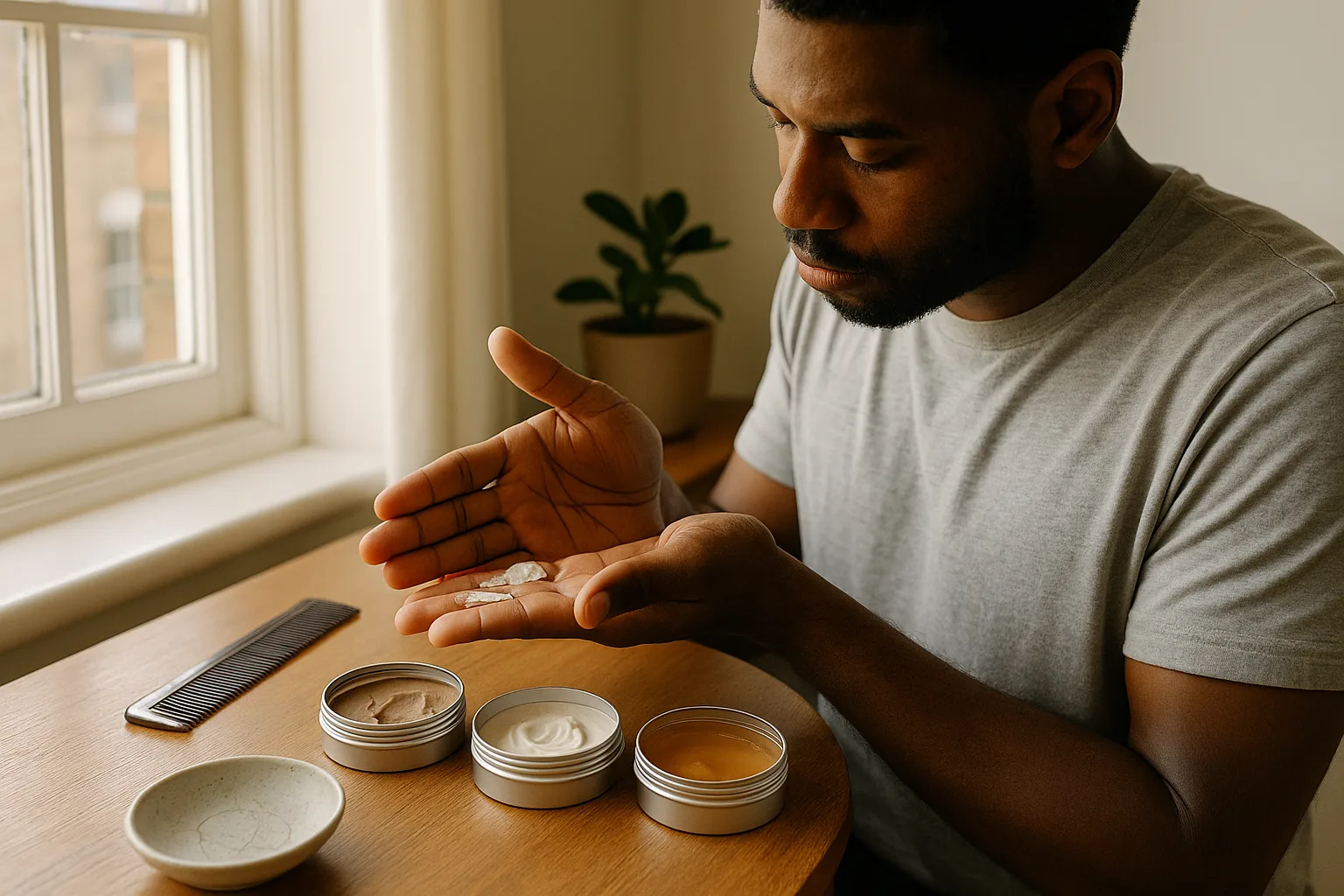
A small moustache comb is essential, and a touch of moustache wax can help train the ends. If you don’t own wax, a whisper of a matte hair product will do in a pinch; our rundown of the best hair clay for men 2026 explains textures and hold without turning your top lip into a traffic cone.
Keep the rest of your grooming tight so the moustache looks intentional. Clean up cheek and neck lines if you’re wearing stubble, and book a tidy-up around week three to balance the shape. If your hair is longer, our guide to hair products for men with long hair covers lightweight conditioners and creams that won’t fight your new focal point.
Style-wise, the easiest win is pairing a neat ’tache with a short back and sides or a soft textured top. If you’ve got dense hair, our picks for the best hairstyles for men with thick hair show how to keep weight under control so the face — and that new moustache — stays front and centre.
A few pitfalls to dodge: don’t over-wax (crumbs will catch), don’t draw the line too high above the lip (it reads 1970s detective), and don’t shave it off in a 9pm wobble on day 17. Patchy growth? Lean into a shorter, tidy chevron rather than chasing twizzled tips you don’t yet have.
Confidence helps, and scent is a quiet ally. A rounded, non-fussy fragrance can feel more put-together when your face is in flux; see our edit of men’s fragrances women love for options that won’t overpower close-up conversations.
While you’re refreshing routines, sort the fundamentals too. If your toothbrush looks older than your trainers, swap it; our explainer on electric toothbrushes breaks down why they’re worth the upgrade. Small, boring habits often move the health needle more than heroic bursts.
What happens next
If you’re game, you can sign up, donate or fundraise via Movember.com. You don’t need a complicated plan: set a realistic goal, tell a few mates, and keep it social. A Saturday run, a five-a-side night or a low-key pub quiz all work as fundraising anchors.
Think about who you’ll check in on, not just what you’ll grow. The simplest act is asking a friend how he’s doing — and asking again if the first answer is “fine”. Pair that with your own to-do list: if something hurts or worries you, book the appointment before the end of the month.
If you’re growing, mark two dates in your diary: a mid-month line-up and an end-of-month finish. The first keeps you neat when the bulk arrives; the second lets you choose your finale, from neat chevron to natural sweep. Match your trim to your face shape, not just the feed.
Fund-wise, remember where your money lands. Programmes like Making Connections support community-led mental health work; True North gives men navigating prostate cancer structured guidance; and Nuts & Bolts connects men facing testicular cancer with clear information and peers who get it. The visible ’tache funds the invisible help.
Finally, keep the bits that worked for December. If the daily walk helped your head, keep it. If the moustache sparked better conversations, consider a lower-key version through winter. Movember ends; momentum shouldn’t.
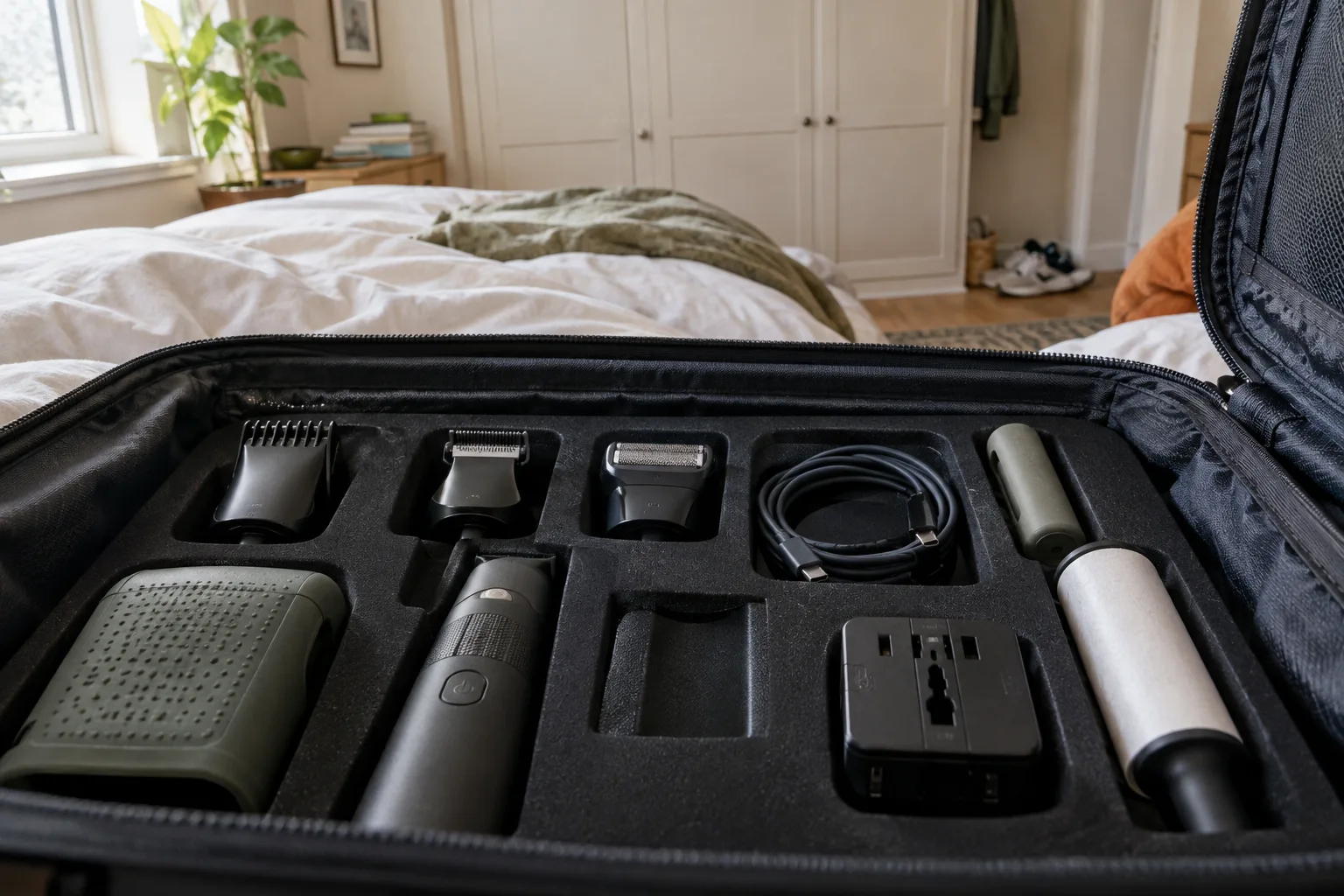
Related: Best beard trimmers 2026: what’s new and what we’d buy
Why this matters
Movember lands in the UK every year, but the point isn’t just a photo at the office coffee machine. It’s a moment to fix the basics: book the GP check you’ve put off, ask a mate twice how he’s doing, and tidy up your grooming. If you’re growing, get a proper line-up around week three and keep your routine simple. Our guide to the best hair clay for men 2026 also helps keep things neat without faff.
Common questions
- what is movember
- Movember is a global men’s health charity best known for November moustache fundraising. It supports mental health and suicide prevention, plus prostate and testicular cancer projects.
- why is movember trending this week
- Interest has spiked: its Wikipedia reference page drew 925 views on 28 October, about 72% above a typical day.
- what does movember fund
- Movember funds men’s mental health and suicide prevention, prostate cancer and testicular cancer. Projects include Making Connections, the True North resource and Nuts & Bolts support.
- how common is prostate cancer in men
- The charity cites that about 1 in 8 US men will be diagnosed with prostate cancer in their lifetime.
- is testicular cancer common in young men
- Yes. Movember notes it is the most commonly diagnosed cancer among US males aged 15–34.
- how serious is male suicide among young men
- The charity reports over 12,400 US males aged 15–34 died by suicide in 2021 — more than 34 per day.
- how do i take part in movember
- You can sign up, donate or fundraise via Movember.com. Grow a moustache, organise an activity, or support someone who is fundraising.
- what are movember’s focus areas
- Movember targets behaviours, social norms and health systems around men’s mental health, prostate cancer and testicular cancer, aiming for long-term change.
Sources
This article was written by The Good Cut using the sources listed above. Product mentions are editorial unless clearly marked as sponsored.