Men's Style
Tom Hardy’s MobLand season 2 jackets: the breakdown
Hardy’s fixer leans on three dependable jackets. Here’s what they are, why they work, and how to get the look without the drama.
By The Good Cut Editorial Team
Published · Updated · 5 min read
Quick answerIn MobLand season 2, Tom Hardy’s fixer rotates three staples: a wool overcoat, a worn-in leather jacket and a weatherproof field jacket. They’re classic, functional pieces you can wear right now without looking like you’re in costume.
Tom Hardy’s latest turn as a quietly efficient hardman comes with a very wearable side effect: a trio of jackets you’ll actually want in your wardrobe. As Harry Da Souza in Guy Ritchie’s MobLand, now into its second season on Paramount+, he cycles between a wool overcoat, a beaten-in leather and a proper field jacket.
Taken together, they’re a tidy template for British weather and real life: one sharp, one rugged, one ready for rain. You don’t need the getaway car or the burner phone. You just need the right fabric, the right fit and a bit of intent.
What happened
Hardy’s character, Harry Da Souza, is the dependable fixer circling the Harrigan operation, fronted by Pierce Brosnan and Helen Mirren. The styling signals his role without shouting: buttoned-up when required, tough when it gets messy, and practical on the move.
On the smart end sits a heavy wool overcoat. It reads composed and in control, and it’s the piece that cleans up any outfit underneath. In the show’s context, it’s the jacket for higher‑stakes conversations and calm authority.
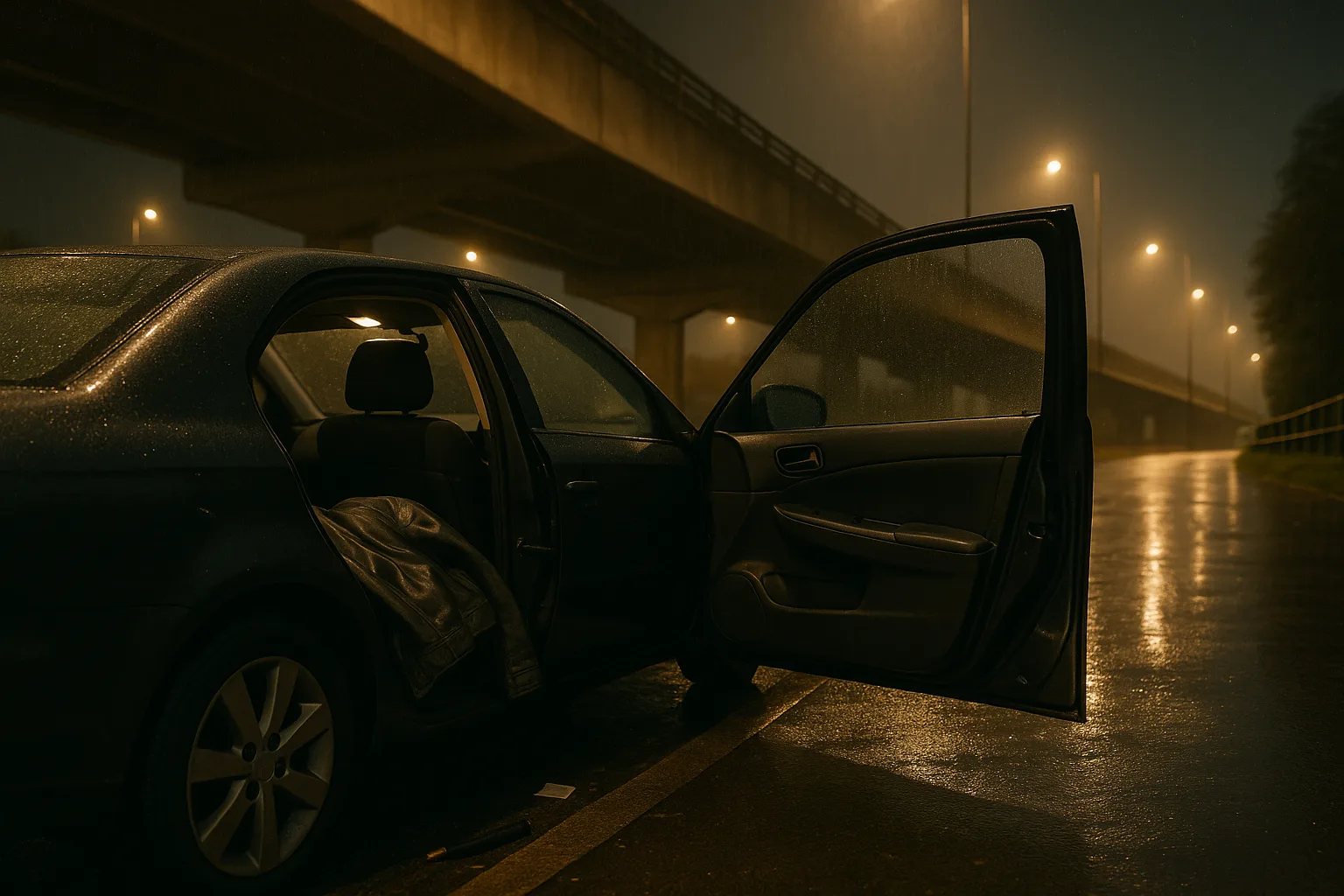
When the work gets hands-on, the leather jacket appears. It’s not pristine or precious; it’s broken in, scuff-friendly and forgiving, which is the point. Think hard-wearing hide, sturdy zips, and a length that doesn’t get in the way.
For everything else, there’s a field jacket. It’s built for the British forecast—resistant to showers, cut with multiple pockets, and tough enough for long hours. It looks like kit you can trust when you don’t know what the day will throw at you.
The background
These three jackets have stuck around for decades because they earn their keep. The overcoat handles formality and commuting, leather takes care of weekend graft, and the field jacket eats drizzle for breakfast. If you’re paring back your rail, this is exactly the kind of three‑piece rotation that works.
Overcoats: look for dense wool (or wool‑cashmere) with a firm hand, a collar that sits cleanly, and a length that hits mid‑thigh to knee for modern proportions. Set‑in sleeves read sharper; raglan sleeves are easier to layer. Navy, charcoal or dark brown will do most of the heavy lifting.
Leather: tougher hides like cow or steer give structure and longevity; lamb is softer and lighter but marks more easily. A slight grain disguises scrapes; cheap, plastic‑looking finishes do not age well. Mid‑length bombers and trucker cuts are the most versatile, with rib or shirt cuffs that don’t swallow your hands.
Field jackets: classic versions use waxed cotton with handwarmer pockets, bellows pockets and a storm flap. Look for a two‑way zip, press‑studs that don’t feel flimsy, and lining at the shoulders so it slides over knitwear. Olive, navy and dark brown work with denim, chinos and even tailoring.
Fit is the make-or-break. An overcoat should allow a chunky knit without pulling at the buttons; the shoulder seam should sit just off your shoulder bone. Leather should hug lightly without chest pressure or forearm strangulation. A field jacket needs room to move and a hem that covers the waistband without drowning it. For a primer on shapes and what each style actually does, see our guide to the types of jackets for men.
If cinematic outerwear is your thing, Hardy’s coat game joins a long tradition. We’ve previously argued that James Bond’s Tomorrow Never Dies coat still holds up because it does a similar job: gravitas without fuss, warmth without bulk, and colours that don’t date.
What people are saying
Strip away the gunmetal mood music and you’re left with very normal menswear—and that’s the appeal. We rate the lineup because it mirrors how men actually live: a smart coat for work and going out, a leather for off‑duty miles, and a field jacket for rubbish weather.
The character cues translate cleanly. The overcoat says: reliable, prepared, takes meetings seriously. The leather says: not precious, alright with a bruise or two, likes pockets that work. The field jacket says: practical, plans for rain, not scared of a country lane or a stadium concourse.
From a cost‑per‑wear view, these are likely to pay you back. A solid overcoat gets you through winter weddings, office days and chilly pub gardens. Leather shrugs off years with a bit of conditioner and common sense. A good field jacket will outlast football seasons and festival summers.
If you’re updating the rail, decide what gap you’re really filling. Commuting in tailoring? Prioritise the overcoat. Mostly hoodies and denim? Go leather. Constantly outdoors? Field jacket first. Then choose weight: Melton wool around 600–700gsm for cold snaps; mid‑weight leather (0.9–1.1mm) for structure without stiffness; mid‑weight waxed cotton that won’t feel like armour.
What happens next
Buying-wise, start with the checklist, not the label. For overcoats: dense weave, workable lapels, sleeves you can shorten, and buttons sewn like they mean it. Try with the heaviest knit you’ll wear—if it sings then, it’ll sing all winter. Tailors can nip sleeve length and tidy hems with minimal fuss.
On leather, run a hand along seams for puckering and check that zips glide cleanly. If it’s stiff as a plank, you’ll hate wearing it; if it feels like rubber, it won’t age nicely. Expect a break‑in period, then very occasional conditioning with a neutral cream. Avoid heavy oils that darken and clog.
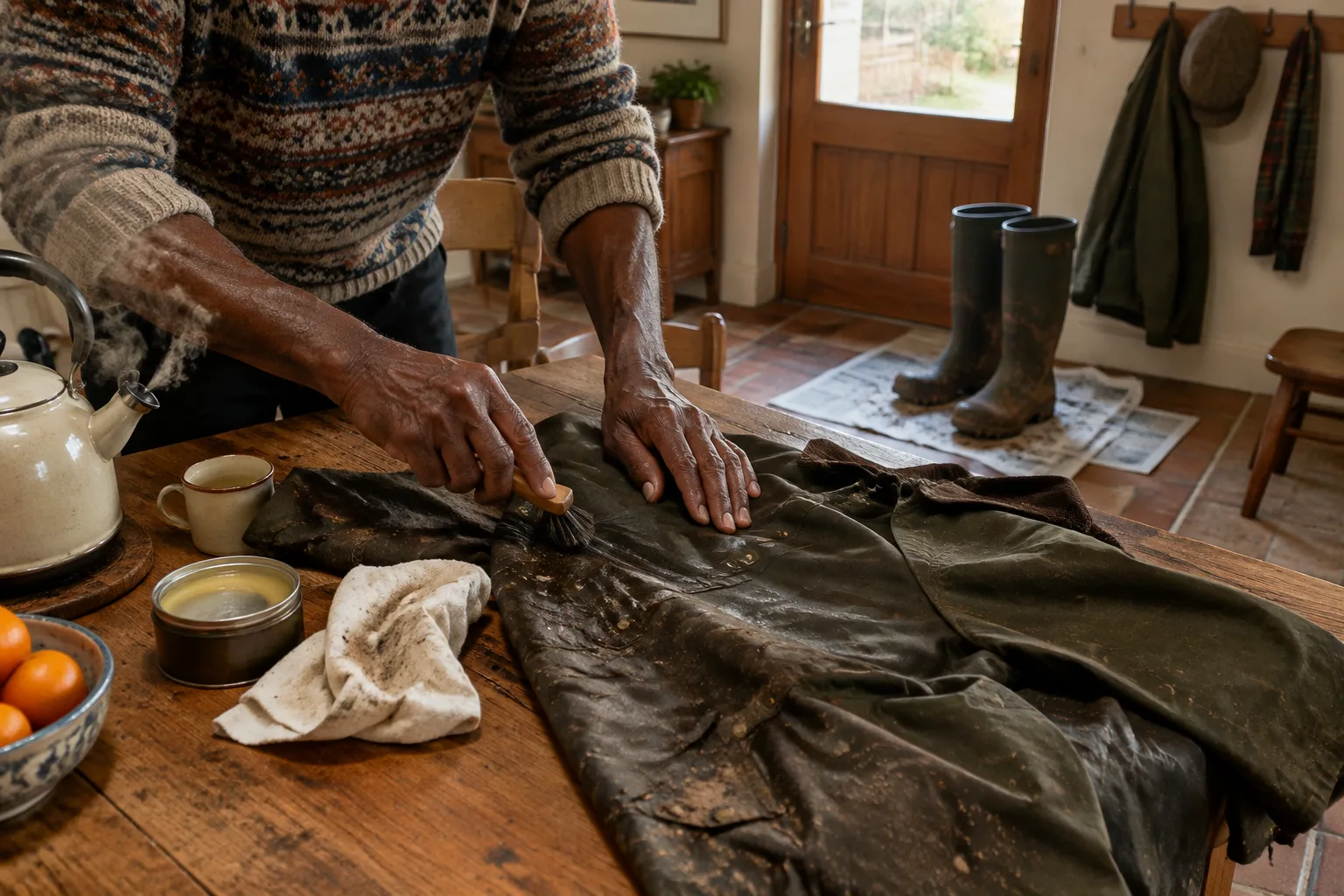
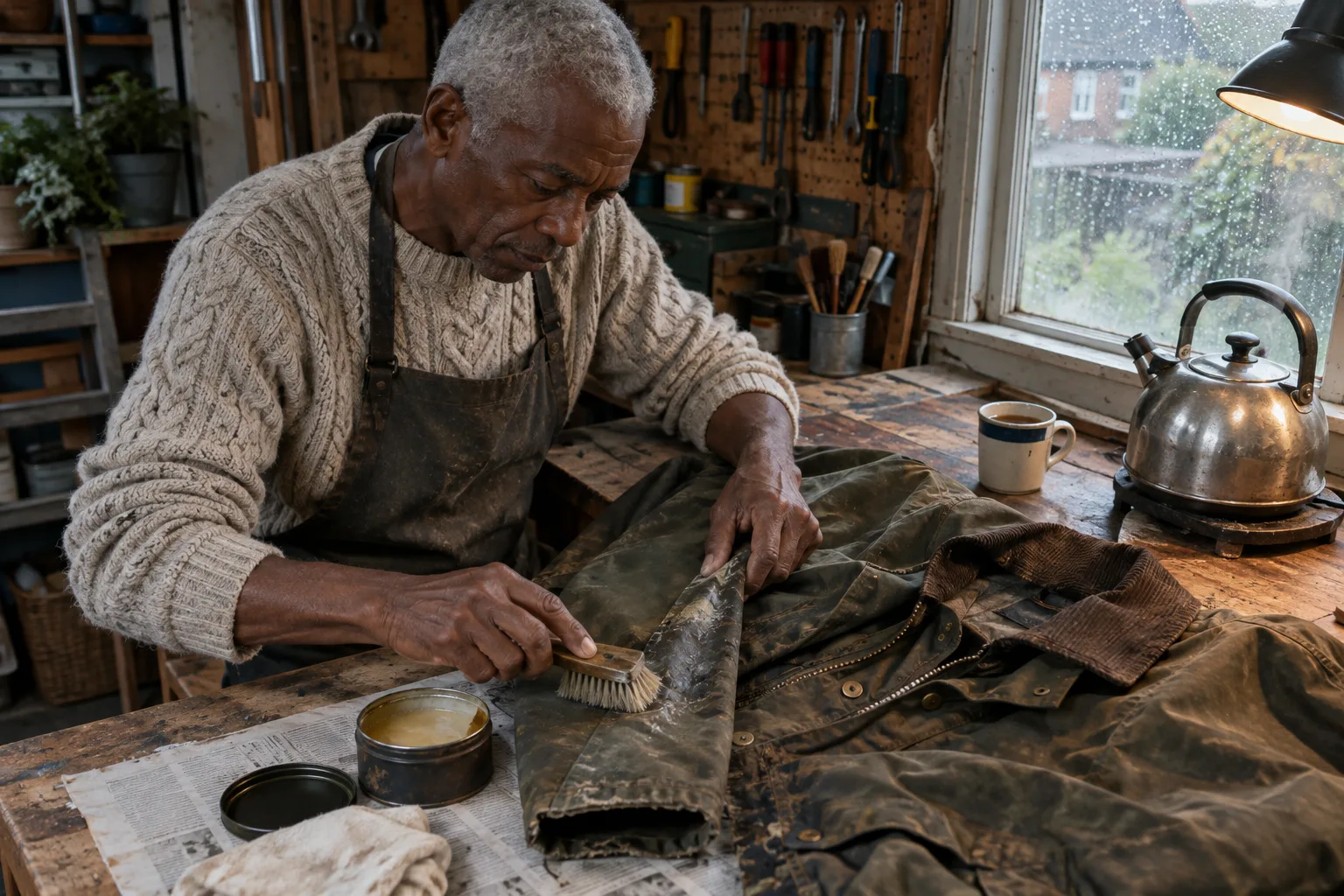
For field jackets, look at pocket placement you’ll actually use, a collar that can stand up in wind, and hardware that survives rain. Waxed cotton benefits from a light re‑wax every year or two, and a sponge‑clean beats the washing machine every time.
Second‑hand can be a smart play. Overcoats are plentiful in charity and vintage shops—focus on shoulders and sleeves, because bodies are easier to alter. Vintage leather is often better hide for the money; check for cracked seams. Older field jackets usually need a re‑wax and new studs but can be brilliant buys.
Styling is blessedly simple. The overcoat loves roll‑necks, Oxford shirts and anything vaguely tailored. The leather is at home with denim, black jeans and plain tees. The field jacket does knitwear, flannel shirts and boots on a wet Saturday. If you lean casual, pair the field jacket with trainers—but keep them spotless with our guide to cleaning white trainers properly.
Colour does the quiet work. Navy or charcoal in wool keeps you on the right side of serious. Brown or black leather depends on your wardrobe: brown skews vintage, black skews sharper. Olive field jackets go with everything; navy is the stealth option; black is more urban.
Finally, store them well. Brush wool after wear and rest it on wide hangers. Give leather air and avoid radiators. Hang field jackets to dry fully before the cupboard. Treat them like tools you’ll use for years, because that’s exactly what they are.
Related: The Traitors celebrity series: why the fashion is stealing focus
Related: Peaky Blinders coat: why the covert overcoat is trending again
Related: Best white T‑shirts for men: the 2026 buying guide
Related: Wax jacket history: how Britain’s wet‑weather icon took over
Related: Rivals is reviving British heritage menswear — here’s how to wear it
Why this matters
This is an easy, UK-proof outerwear blueprint: one smart coat, one leather, one field jacket. Start with what you’ll wear most, then buy for fabric, fit and weather, not the logo. If you’re unsure on shape, revisit our practical guide to jacket types and ask in-store about alterations, re‑waxing and aftercare before you buy.
Common questions
- what jackets does tom hardy wear in mobland season 2
- A wool overcoat, a worn‑in leather jacket and a weatherproof field jacket. They cover smart moments, rough work and rainy days respectively.
- who does tom hardy play in mobland
- He plays Harry Da Souza, a fixer working around the Harrigan crime family, fronted on screen by Pierce Brosnan and Helen Mirren.
- where can i watch mobland in the uk
- MobLand season two is streaming on Paramount+ in the UK.
- what is a field jacket
- A field jacket is a practical, often waxed-cotton outerwear piece with multiple pockets, a stand collar and weather resistance for year‑round use.
- should i buy a wool overcoat or a leather jacket first
- Buy the one that fits your life. Overcoats suit office and smart outings; leather is best for casual, daily wear. Pick the gap you’ll fill most.
- how should a leather jacket fit
- It should sit close without chest pulling or tight forearms. Sleeves should hit the wrist bone, and zips and seams should move without strain.
- how do i maintain a waxed field jacket
- Sponge‑clean marks, avoid machine washing, and re‑wax lightly every year or two. Dry thoroughly after rain and store on a hanger.
- what colours work for a mobland‑inspired wardrobe
- Navy or charcoal for wool, brown or black for leather, and olive or navy for field jackets. These shades mix easily with denim, chinos and boots.
Sources
This article was written by The Good Cut using the sources listed above. Product mentions are editorial unless clearly marked as sponsored.