TrendingMen's Style
Peaky Blinders coat: why the covert overcoat is trending again
Interest in the show has spiked this week; here’s the coat behind the look and how to wear it without drifting into costume.
By The Good Cut Editorial Team
Published · Updated · 5 min read
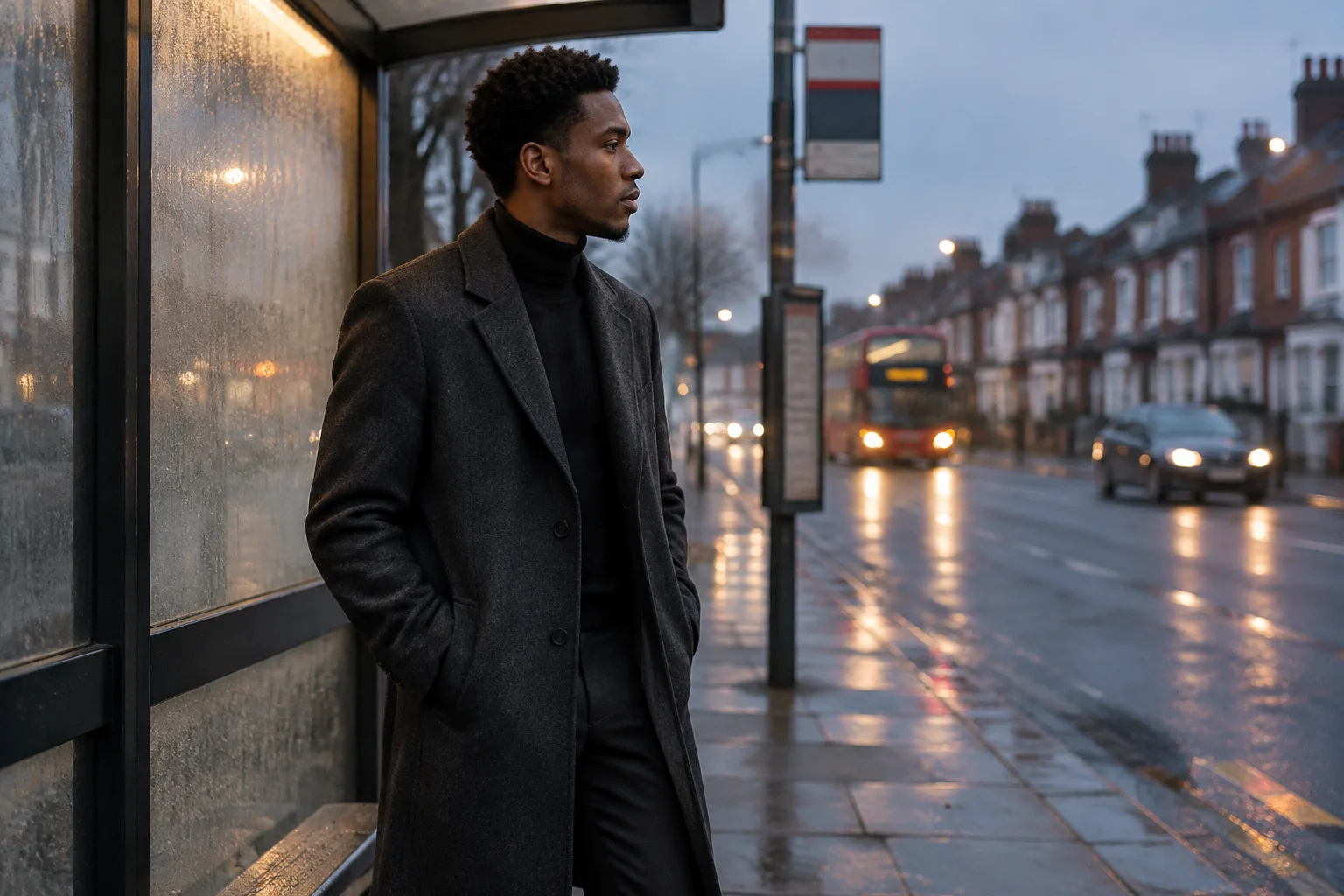
Quick answerInterest in Peaky Blinders jumped this week. The coat people are searching for is a long black covert overcoat with a velvet collar—best worn simply over dark tailoring or trousers and sturdy leather boots.
Public interest in Peaky Blinders has surged this week: the show’s Wikipedia reference page clocked 6,011 views on 25 October, roughly 41% above a typical day. When the series bubbles up, so does a very specific menswear question: what exactly is that long black coat—and how do you wear it without looking like you’re off to a themed party?
Short answer: it’s a covert overcoat—long, single-breasted, black wool, trimmed with a velvet collar—originally part of British professional dress. Worn with modern restraint, it’s still one of the most flattering winter coats a man can own.
What happened
-
Interest in the show spiked this week, and with it the coat’s profile. In our world that usually translates into men hunting for a precise name, a set of details, and practical styling rules.
-
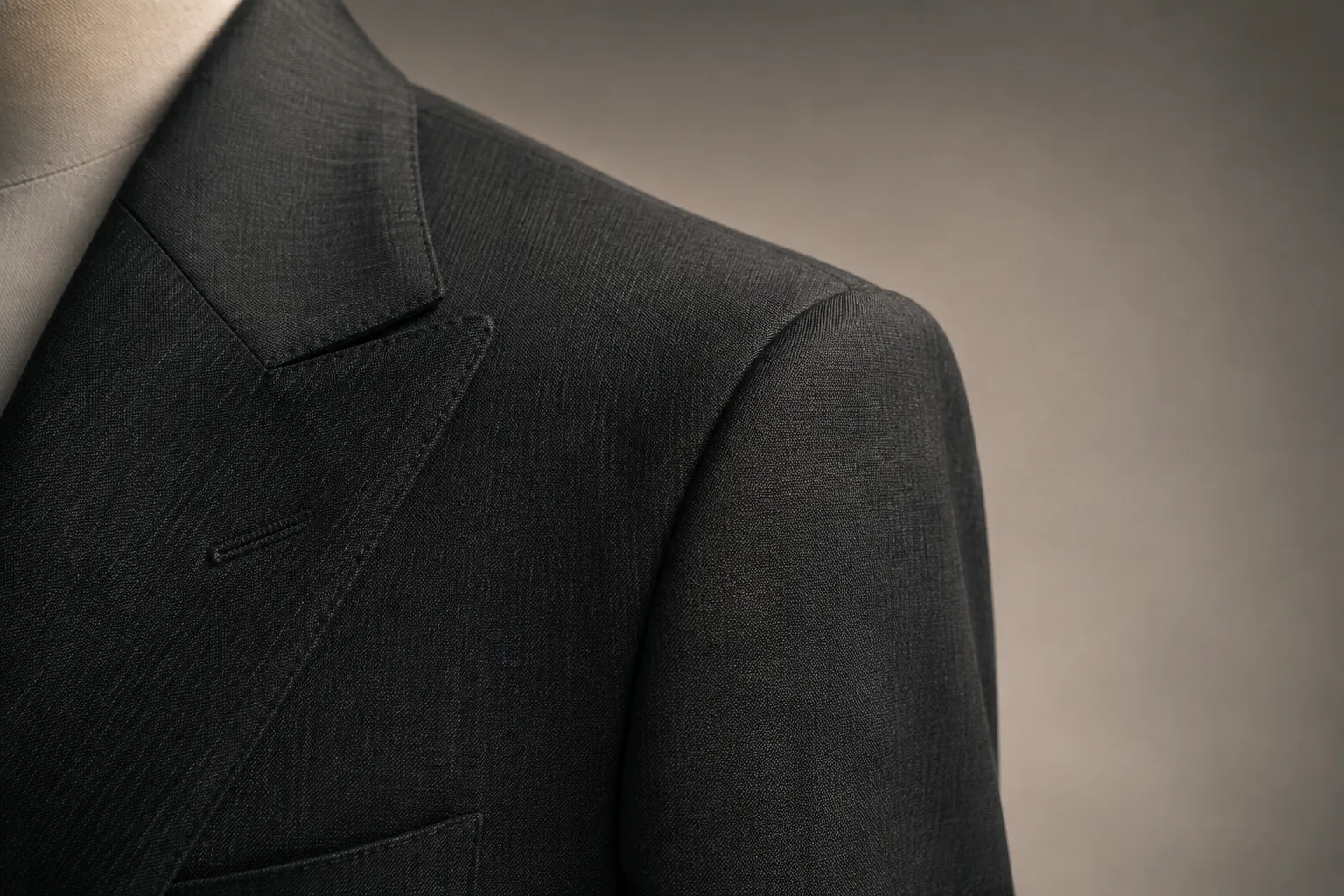
The coat in question is the covert overcoat. Key markers: a structured but not bulky shoulder, a clean, minimally detailed front, a single back vent and that black velvet collar. The long line—traditionally below the knee—does serious work for your silhouette.
-
On-screen, it sits over three-piece tailoring. Off-screen, the winning move is to keep the coat the star and everything beneath it simple: dark suit or dark trousers, a plain shirt or roll‑neck, and leather boots. If you already wear a flat cap, fine. If you don’t, you don’t need one to make this work.
-
We’ve seen this script before with enduring screen outerwear. Our breakdown of James Bond’s Tomorrow Never Dies coat that still gets it right shows how a classic cut survives trends when the lines are clean and the proportions are sound.
The background
-
The covert overcoat predates the series by decades. Rooted in late‑Victorian and early‑20th‑century British dress, it became the smart outer layer for city men—precise, unfussy and built for daily wear. That’s why it fits the show’s 1920s Birmingham setting so neatly.
-
Anatomy, in brief: single-breasted closure, a concealed or neat three‑button front, a shaped shoulder that gives presence without linebacker padding, and a single vent so it moves cleanly when you walk. The collar is faced in velvet—black on black—which adds a touch of formality without pushing it into frock coat territory.
-
Length is vital. A proper covert falls below the knee—commonly 44–48 inches from collar to hem. That uninterrupted vertical line lengthens the body and looks sharper than a mid‑thigh overcoat, especially over tailoring.
-
The coat turns up in British slang as a “Crombie”, and you’ll also hear it compared with a Chesterfield. Not all Chesterfields have velvet collars; the covert’s collar is part of the signature. If you’re brushing up on outerwear types, our guide to what each jacket style actually does helps decode the family tree.
-
Why it still works in 2026: proportion and restraint. There are no tech zips, toggles or shouty logos to age it. It has survived trend cycles and even changing office dress codes because, structurally, it’s a very well‑balanced design.
-
The screen-to-street pipeline also helps. We’ve seen similar interest when a strong jacket drives a series, like the pieces we dissected in Tom Hardy’s MobLand season 2 jackets. The covert, though, isn’t a fashion one‑off; it’s a staple that predates and outlasts the fandom.
What people are saying
-
The menswear consensus is clear: treat it like a serious coat, not a costume. Keep the rest of the outfit quiet—dark denim or flannel trousers, a well‑made knit or crisp shirt, and leather Oxfords or boots. That’s what lets the collar and cut do the talking.
-
Fit starts at the shoulders. The seam should sit on the shoulder point; if the back strains when you reach forward, size up, and if the shoulders droop, size down. Get sleeves shortened by a tailor so shirt cuffs show by a sliver over a suit, or sit clean over knitwear.
-
Length: aim for below‑knee. If you’re shorter, resist chopping it to mid‑thigh; the coat’s power is that long line. If you’re taller, you can go longer still, provided the vent opens cleanly when you walk.
-
Fabric and build: a dense wool or wool‑cashmere blend gives drape and warmth without weight. You want structure, not stiffness. A single back vent is traditional and helps the skirt move instead of kicking out.
-
The collar: cotton velvet is classic and durable. Avoid contrast colours if you’re after the straight, understated look. The collar should sit flat; press the body of the coat, but avoid ironing the velvet—use steam and a soft brush to keep the nap tidy.
-
Lining choice changes mood. Black lining is the discreet, everyday pick. A deep red lining reads more theatrical and shows when the coat opens—good fun at night, less so for conservative offices.
-
Shoes and extras: dark, slim boots or Oxfords anchor the look. Heavy, bright trainers fight the coat’s formality. A flat cap is optional; wearing one purely to “complete the set” is how you tip into fancy dress.
-
One UK tailor even noted that a modern covert worn by a background extra needed no alteration on set—evidence the pattern hasn’t had to change to pass for period‑correct.
-
For broader TV‑style context, we’ve also looked at how shows can shift wardrobes this side of the screen, from The Traitors celebrity series fashion stealing focus to Bond’s outerwear choices.
What happens next
-
If you’re buying, prioritise cut and cloth over bells and whistles. Try the coat over a suit jacket and over a chunky knit—both should sit cleanly. The lap over the chest should be smooth, and the vent should open but not gape when you stride.
-
Ask your alterations tailor to fine‑tune sleeve length and, if needed, the waist suppression; leave the shoulders and length alone unless the coat is miles off. A good press transforms how structured wool sits—book one after alterations.
-
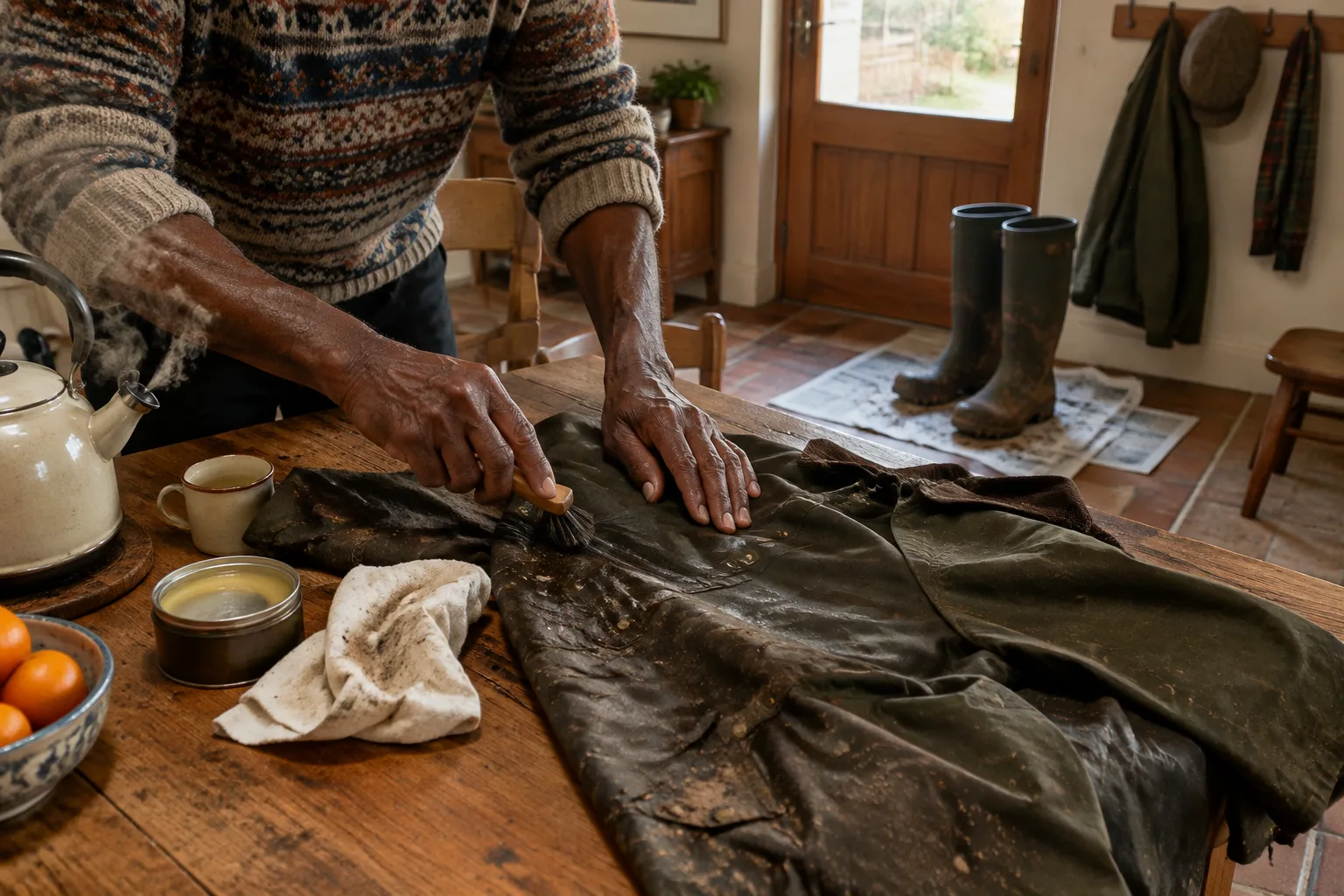
Care is simple: hang it on a broad wooden hanger, brush it with a soft clothes brush after wear, and steam out creases. Dry‑clean sparingly—once or twice a season at most—to protect the wool and the velvet facing.
-
Styling for work: over a dark two‑piece, white or blue shirt, simple tie. Off duty: dark denim or charcoal flannel, black or navy roll‑neck, and plain‑toe boots. If you like to finish with scent, a warm, grown‑up note complements the mood—see our guide to why vanilla cologne is having a moment in 2026.
-
Bottom line: the coat shines when you don’t overthink it. Let the collar, length and line earn the compliments; keep everything else streamlined and modern. That’s how you do Peaky without looking peaky.
Related: Best white T‑shirts for men: the 2026 buying guide
Related: Rivals is reviving British heritage menswear — here’s how to wear it
Related: Haider Ackermann at Tom Ford: a sharper, quieter men’s tailoring
Why this matters
When interest in a show pushes a classic back into view, it’s a chance to upgrade smart winter dressing with something proven. A proper covert overcoat sharpens work suits and gives weekends a grown‑up edge. Ask your tailor for a below‑knee length, a single vent, and a neat shoulder that sits on the bone. Keep the rest low‑key and let the coat lead. If you’re comparing outerwear types before you buy, our guide to what each jacket style actually does helps put the covert in context.
Common questions
- what is the peaky blinders coat
- It’s a covert overcoat: a long, single‑breasted black wool coat with a velvet collar, cut with a shaped shoulder and a single back vent.
- how long should a peaky blinders coat be
- Traditionally below the knee. Many classic examples measure around 44–48 inches from collar to hem, creating a strong, lengthening line.
- how do i wear the peaky blinders coat without looking like costume
- Keep it simple: dark suit or trousers, a plain shirt or roll‑neck, and leather boots. Skip cap-and-braces styling unless you already wear them.
- does the peaky blinders coat have a velvet collar
- Yes. A black velvet collar is the defining detail of the covert overcoat and adds subtle formality without extra decoration.
- what shoes work with a peaky blinders coat
- Dark leather Oxfords or slim, plain boots. Chunky or bright trainers clash with the coat’s formal, streamlined cut.
- is the peaky blinders coat the same as a chesterfield
- They’re related, but not identical. The covert typically includes a velvet collar and a clean, minimally detailed front; not all Chesterfields do.
- why is the peaky blinders coat trending again
- Public interest in the series jumped this week, and the coat’s clean, timeless cut makes it a go‑to when men seek sharp winter outerwear.
Sources
- theplatinumtailor.com: The Peaky Blinders Coat: What It Is and How to Get the Look – The Platinum Tailor
- revivalvintage.co.uk: Get The Look - Tommy Shelby – RevivalVintage
This article was written by The Good Cut using the sources listed above. Product mentions are editorial unless clearly marked as sponsored.