Men's Style
Wax jacket history: how Britain’s wet‑weather icon took over
From oilskins at sea to Barbour in the shires and Belstaff on the road, the wax jacket’s century‑long rise is pure British pragmatism.
By The Good Cut Editorial Team
Published · Updated · 6 min read
Quick answerWax jackets began as oil‑treated sailcloth worn by sailors, then evolved into paraffin‑waxed cotton coats refined by British mills. Barbour and Belstaff took them mainstream—one for the field, one for the road—and they’re still prized for repairability and quiet, hard‑wearing style.
Timeline
15th century
Sailors oil sails and use offcuts for weatherproof capes and smocks.
19th century
British and Scottish mills produce linseed‑oiled cloth for sails and maritime garments.
1894
J. Barbour & Sons is founded in South Shields to outfit seafarers and dock workers.
Early 20th century
Paraffin‑waxed cotton improves flexibility, weight and longevity over oilskin.
1924
Belstaff is founded in Stoke‑on‑Trent, focusing on motorcycling and aviation gear.
1970s–2000s
Wax jackets shift from field and road to festivals and city wardrobes.
A wax jacket smells faintly of rain and practicality, wears in rather than wears out, and somehow looks right from a moor to the Metropolitan line. Ask why, and you end up at sea—literally—where the fabric began as a survival tactic rather than a style move.
Today, it sits in that rare club of British menswear that works as hard as it looks: a coat you can repair, re‑wax and live in for years, with scuffs that turn into stories rather than faults. We rate it as the UK’s most honest foul‑weather layer—less shouty than a tech shell and far more useful than nostalgia alone.
What happened
The wax jacket’s ancestors were oil‑treated sails; sailors discovered that spare, coated canvas kept water and wind off their backs, so early capes and smocks appeared on deck. That principle—tightly woven cotton plus a hydrophobic finish—was the beginning of weatherproof clothing as we’d recognise it.
Industrial weaving and finishing then took over. British and Scottish mills produced linseed‑oiled cloth in the 19th century for maritime use, which cut rain but could crack, stiffen in cold and yellow with age. It worked, but you paid for the privilege with smell and stiffness.
The breakthrough was paraffin‑waxed cotton in the early 20th century. British makers blended waxes that moved with the fabric, kept weight sensible and ditched the harbour whiff. Water beaded, wind stayed out, and the cloth could be cut like proper clothing rather than a sailmaker’s offcut.
Barbour, founded in 1894 in South Shields, seized on this and pushed inland. Its riding‑and‑shooting cuts—think Bedale, Beaufort and Border—added cartridge‑sized bellows pockets, wipe‑clean corduroy collars and rear game pockets. Crucially, the brand built a formal repair and re‑wax culture that kept battered jackets in circulation for decades.
Belstaff, founded in 1924 in Stoke‑on‑Trent, took the same fabric onto the road. Its four‑pocket Trialmaster and similar patterns guarded motorcyclists from spray, grit and abrasion while adding belts, storm flaps and map‑friendly storage. The silhouette became shorthand for long miles and petrol on the breeze.
From the 1970s onward, the jacket crossed into city life and festivals. Olive and dark navy versions joined dog‑walking uniforms and weekend pub kits, while the same cloth appeared in smarter field coats from other British names. By the 2000s, it was as likely to be worn over denim as over tweed.
The background
Early oilskins were functional but flawed: linseed‑coated canvas could crack in the cold and hardened over time, which is why paraffin blends changed the game by staying supple. The result was weatherproofing without the creak, and a fabric that developed a wearable patina with use.
Two mills sit firmly in this story. British Millerain and Halley Stevensons refined wax finishes that could be re‑applied, extending a jacket’s life each time the surface dulled. That ability to maintain the cloth at home or via a factory service is central to the jacket’s longevity and appeal.
Barbour’s patterns prioritised mobility and utility: boxier bodies allow layering, handwarmer pockets sit high to clear a saddle, and game pockets swallow everything from gloves to a folded paper. The design language is purpose‑first, which accidentally made it timeless when fashion circled back to utility.
Belstaff’s motorcycle cuts prioritised abrasion resistance and weather sealing at speed. Belts cinched fabric to stop flapping, storm flaps overlapped zips, and pocket placement kept tools and documents in easy reach. That road‑ready pragmatism explains why these jackets keep turning up on screen and in garages alike.
Waxed cotton isn’t “better” than modern membranes on pure performance; three‑layer shells out‑breathe it on hikes. But waxed cloth wins on quietness, low‑glare finish and the way it documents wear. Scratches can be warmed out, shoulders can be spot‑waxed, and seams can be re‑stitched without binning the whole coat.
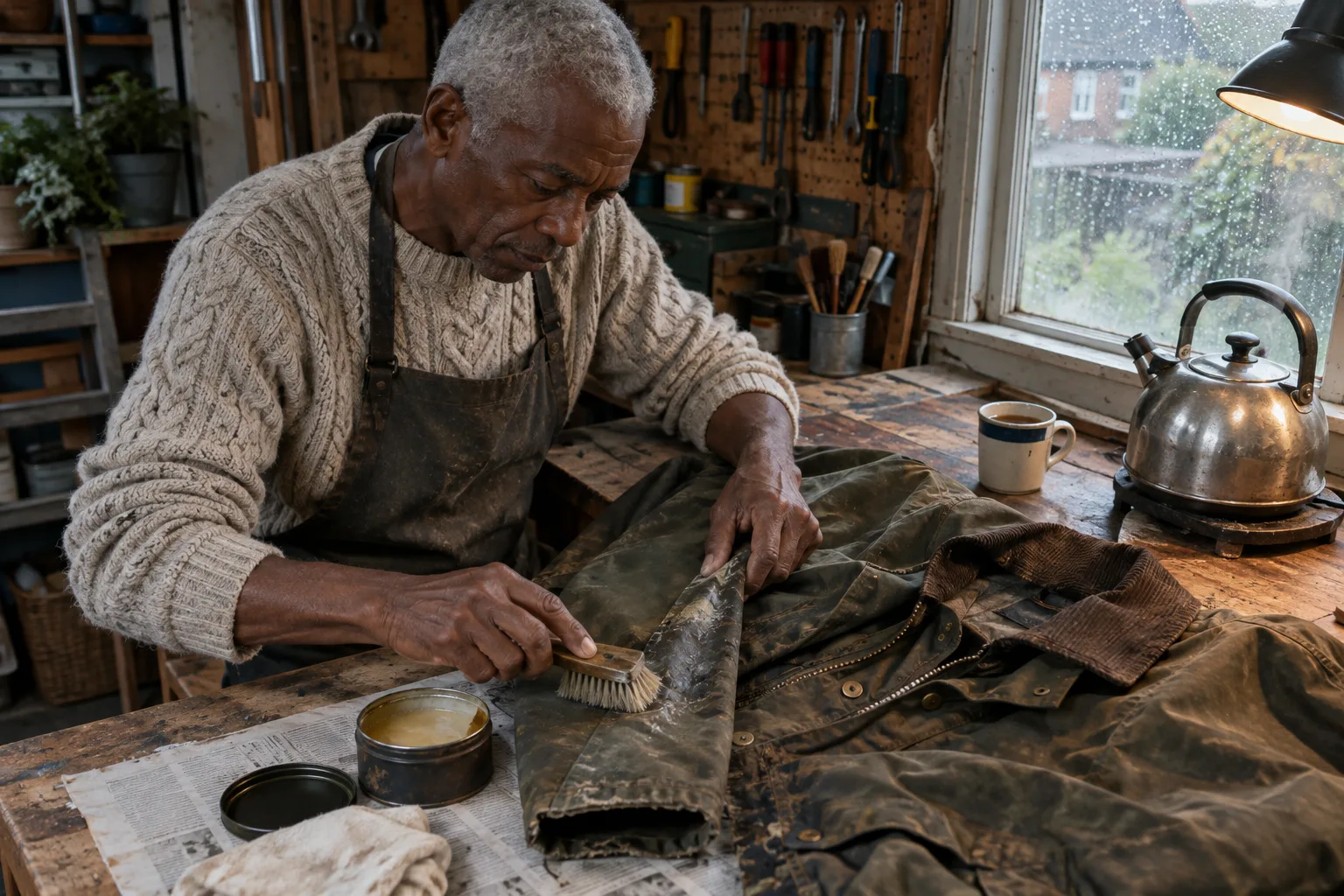
Care is straightforward and specific. You spot‑clean with a damp cloth, never machine‑wash, and re‑wax when rain stops beading—anything from once a year to every few, depending on mileage. Heat helps the wax flow; a hairdryer or radiator softens it so it absorbs evenly.
There are caveats. Freshly waxed jackets can transfer onto pale knits or car seats, so cure time matters. Heavy grit should be brushed off dry before you wipe. And fit matters more than you think—go roomy for layers, but not so boxy the hem flares.
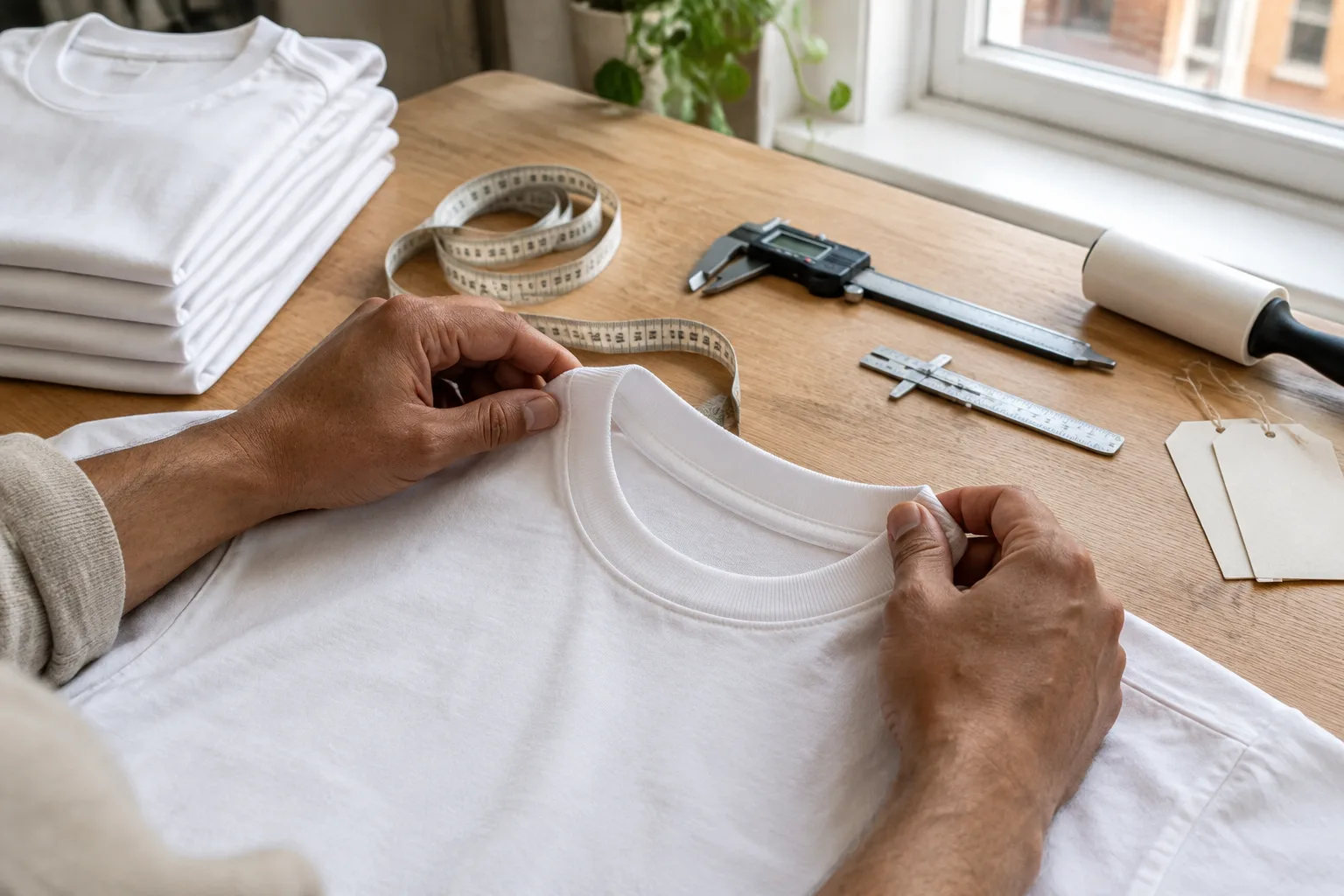
If you’re styling one today, olive or dark navy are the safest bets. Over a crisp base like one of our picks in the best white T‑shirts buying guide, dark denim and work boots, it reads modern rather than costume. Swap in tailored trousers and a knit for a sharper country‑city mix.
Heritage outerwear is having a broader moment too. The return of classic overcoats we charted in the covert coat revival sits in the same lane: useful shapes, honest fabrics and repair over replacement.
On screen, rugged jackets continue to telegraph intent. Our breakdown of Tom Hardy’s MobLand jackets showed how tougher textures add weight to an outfit—waxed cotton does that without shouting via logos or neon panels.
And if you like your wardrobe to come with a whiff of memory, the trend towards re‑embracing heritage scents we covered in nostalgic men’s fragrances mirrors the wax jacket’s charm: age doesn’t ruin it; it makes it yours.
What people are saying
Country hands value waxed cotton because it survives hedges, kennels and rain days—then returns from a re‑wax practically reborn. Owners talk less about “newness” and more about service records: repaired cuffs, fresh linings and patched elbows that extend the coat’s life again.
Motorcyclists trust the four‑pocket, belted archetype because it keeps maps, gloves and tools where they belong, and because it takes knocks better than most fabrics. Even off the bike, those proportions and storm details broadcast purpose rather than pastiche.
City wearers lean on waxed jackets as commuter armour that doesn’t squeak. The cloth’s matte finish and cord collar read relaxed at a pub and competent on a platform, sidestepping the mountaineer‑on‑the‑Tube problem.
Stylists rate it as a texture play. The matte, slightly greasy surface loves contrast—compact knits, sharp chinos, clean sneakers—or a harder line with raw denim and chunkier boots. Keep the rest simple and let the fabric’s patina do the talking.
Second‑hand buyers prize older examples for character and price. A professional re‑wax and a seam tidy can turn a flea‑market find into a dependable daily, which also keeps perfectly useful garments out of landfill.
If you’re on the fence between lengths, a mid‑thigh coat (Beaufort/Border territory) is the most flexible. Shorter cuts suit bikes and city sprinting; longer hems shield suit jackets and solve wet seat problems.
What happens next
Expect more repairability and rental‑style services around waxed cotton as brands formalise take‑back and refurbishment. That suits the fabric’s nature: it telegraphs when it needs attention, responds well to it and resists obsolescence.
You’ll also see broader palettes and mixed‑media riffs—waxed cotton with lighter liners, detachable hoods and smarter pocketing—without losing the quiet core. The sweet spot is familiar silhouettes tweaked for modern commutes and milder winters.
If you’re buying, try three checks: bead test (does water sit up?), shoulder drape (no cardboard stiffness) and pocket depth (can you actually warm your hands). Then budget for a tin of wax and, every few seasons, an afternoon to keep it going.
For outfit mileage, pair it with the clean foundations already in your wardrobe. A white tee, dark jeans and sturdy shoes will do more for a wax jacket than any amount of themed accessorising—proof that utility and style aren’t at odds when the design was right to start with.
Related: Men’s leather jackets: the styles to know and how to pick
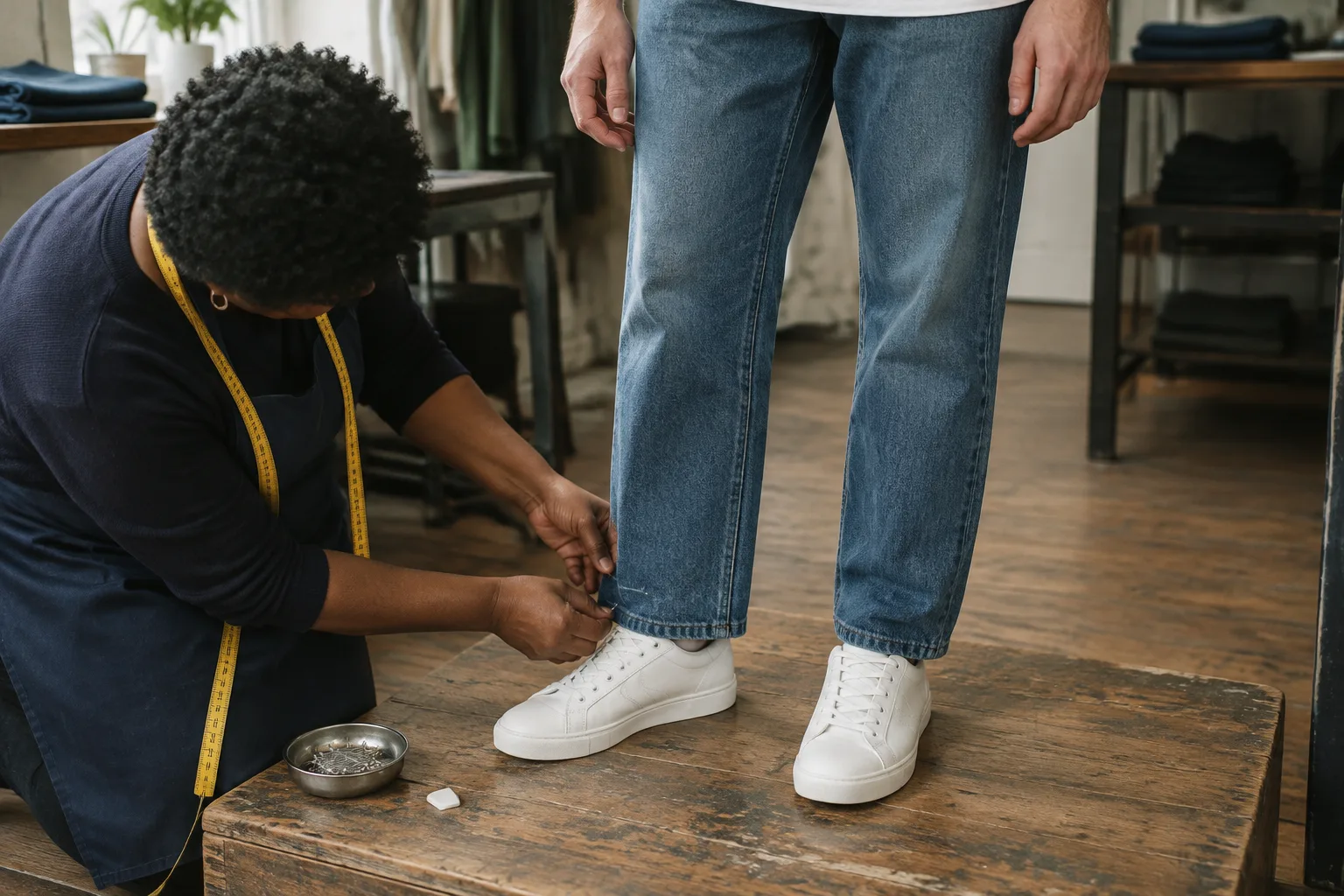
Related: Men’s jeans fits: the six styles that actually work now
Why this matters
In a country that rains sideways, a coat you can fix beats one you throw away. A wax jacket earns its keep for years with simple care—spot clean, re‑wax, re‑stitch—and looks better doing it. If you want one jacket to span workdays and weekends, start with olive mid‑thigh, layer over denim and one of the tees from our best white T‑shirts guide, and plan on sending it for a refresh every couple of seasons.
Common questions
- what is a wax jacket
- A wax jacket is tightly woven cotton impregnated with wax to resist rain and wind. It’s repairable, can be re‑waxed, and develops a patina rather than wearing out.
- where did wax jackets come from
- They grew out of oil‑treated sailcloth. Sailors used offcuts for capes and smocks, then British mills refined the fabric into paraffin‑waxed cotton for clothing.
- are waxed cotton jackets waterproof
- They’re highly water‑resistant rather than fully waterproof. Rain beads and sheds, but prolonged, heavy soakings can creep in at seams or worn areas.
- how often should you re‑wax a jacket
- Re‑wax when water stops beading—typically every 1–3 years depending on use. High‑wear zones like shoulders and cuffs may need more frequent touch‑ups.
- can you machine wash a wax jacket
- No. Machine washing strips the wax. Brush off dry dirt, wipe with a damp cloth, and re‑wax as needed to restore water resistance.
- what’s the difference between barbour and belstaff jackets
- Barbour’s classics are field‑leaning with cord collars and game pockets; Belstaff skews motorcycle with belts, storm flaps and four‑pocket fronts.
- how do you style a wax jacket
- Keep it simple: white tee, dark denim and boots for everyday, or knitwear and tailored trousers for smart‑casual. Let the matte texture carry the look.
- do wax jackets smell or stain clothes
- Fresh re‑waxing can feel tacky and may mark pale fabrics or seats. Let it cure fully and avoid light layers until the finish has settled.
Sources
- The Gentleman's Journal: A Brief History Of The Wax Jacket | Gentleman's Journal
- taylorstitch.com: History Of Men’s Waxed Canvas Jackets | Taylor Stitch Journal
This article was written by The Good Cut using the sources listed above. Product mentions are editorial unless clearly marked as sponsored.